
Table of Contents
Why neighborhood choice matters in Cuenca
Cuenca is compact, walkable and culturally rich, but neighborhoods can vary widely in style, noise level, amenities and cost. Where you live determines your daily rhythm — proximity to markets and doctors, whether you’ll walk everywhere or need a car, and how quickly you’ll find an expat community. This guide breaks down the most popular areas for foreigners, what to expect in each, and practical tips to make a smooth move.
How I categorize Cuenca neighborhoods for expats
When assessing areas I look at five main factors: safety and security, walkability and public transport, access to health care and groceries, housing styles and typical rent, and neighborhood character (historic, modern, quiet, or lively). Below you’ll find neighborhoods grouped by the lifestyle they suit: city core for lovers of history and cafés; riverside & artsy quarters; modern apartment districts; and quieter suburbs for families or retirees.
Historic Center (El Centro Histórico)
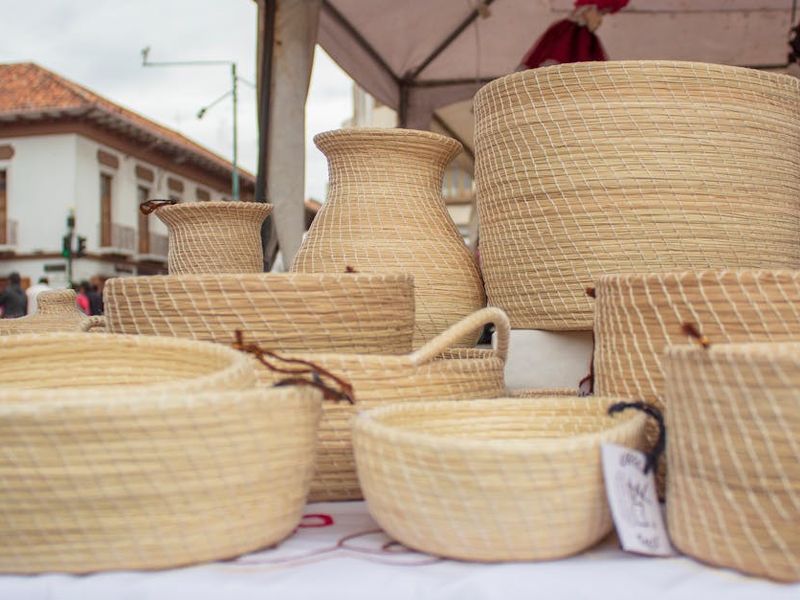
The heart of Cuenca — centered around Parque Calderón and the cathedral — is the most magnetic area for newcomers. Narrow streets, colonial buildings, artisan markets and a huge concentration of cafés, restaurants and cultural venues make it ideal if you want to be in the middle of city life.
Why expats like it
- Everything is within walking distance: museums, banks, pharmacies and specialty shops.
- Large expat community and many services geared to foreigners (language schools, tour operators).
- Historic ambiance and architecture; great for daily strolls and people-watching.
Considerations and costs
Expect cobblestones, occasional noise from tourists and festivals, and older buildings — which often have character but may lack elevators, central heating or modern insulation. Rent for a one-bedroom apartment in or near the historic center typically ranges from about $300 to $700 per month depending on size and finish. If you want a modern condo with amenities, prices rise accordingly.
San Sebastián and Riverside Neighborhoods
San Sebastián (a few blocks south of the cathedral) and the neighborhoods that hug the Tomebamba River offer a bohemian vibe with artisans’ workshops, galleries and quieter streets than the immediate plaza area. These riverside parts combine easy access to the historic core with beautiful riverfront walks and small parks.
Why expats like it
- Artisan culture, local bakeries and the relaxed feel of riverside promenades.
- Close enough to the center to walk, but often quieter at night.
- Good options for mid-range apartments and some boutique guesthouses.
Considerations and costs
Because it’s desirable, rents can be a bit higher than outlying areas, but you gain green space and a calmer atmosphere. Expect $350–$800 for common apartment options.
El Vergel and Parque La Madre Area (Modern Apartment Living)
North of the historic core are neighborhoods with a more contemporary feel, characterized by mid-rise apartment buildings, grocery stores, malls and private clinics. El Vergel and the areas near Parque La Madre are popular with professionals and families who want modern conveniences within short taxi rides to the city center.
Why expats like it
- Modern apartments with elevators, secure parking and sometimes gyms or rooftop spaces.
- Close to larger supermarkets (where you can find international products) and private healthcare providers.
- Generally quieter and cleaner streets than the very center.
Considerations and costs
This is a good balance of convenience and calm; typical rents for a 1–2 bedroom unit range from $400 to $900 depending on amenities.
Totoracocha and Las Orquídeas (Suburban, Newer Developments)
Further north and northwest you’ll find newer developments and gated communities with larger houses, gardens and more parking — attractive to families or expats seeking space and quieter streets. These neighborhoods often feel more suburban and are car-friendly.
Why expats like it
- More living space, yards and a quieter residential feel.
- Many newer homes have modern finishes and better insulation than historic buildings.
- Good options for those who want to own rather than rent.
Considerations and costs
Daily life might involve more driving. Rents and purchase prices tend to be higher for the extra space — expect $500–$1,200+ for larger apartments or houses depending on location and finish.
Miraflores and Hilltop Neighborhoods (Views & Tranquility)
Cuenca is given to hills, and neighborhoods on higher ground like Miraflores offer panoramic city views and a quieter lifestyle. These areas are favored by retirees and people who want to escape street noise while staying within easy reach of central services.
Why expats like it
- Beautiful vistas of the city and sunset-watching opportunities.
- Less foot traffic and a residential atmosphere.
- Often single-family homes or low-rise buildings.
Considerations and costs
Hillside living can mean steeper streets and longer taxi rides to the center. If mobility is a concern, consider proximity to public transport. Rents and property prices vary widely by view and build quality.
University and Student-Friendly Areas (El Batán / Near Campus)
Neighborhoods near Cuenca’s universities have a youthful vibe — cafes, inexpensive eateries, copy shops and shared housing. They’re lively, sometimes noisy, and a great fit for students, young professionals or those teaching at a local university.
Why expats like it
- Lower rents, a social atmosphere and lots of budget-friendly restaurants.
- Good public transit connections and proximity to cultural events.
Considerations and costs
If you want quiet evenings or a more upscale neighborhood, these areas might feel too energetic. Rents can be very affordable — often $200–$500 for small apartments or shared housing.
How to choose the right neighborhood for you
Start by answering four questions: How important is walkability? Do you need a garage or off-street parking? How close do you want to be to hospitals and supermarkets? Are you after quiet evenings or nightlife? Use your answers to prioritize features when you view rentals.
- Walkers & café-lovers: Historic Center or Riverside neighborhoods.
- Families & retirees who want space: Totoracocha or Las Orquídeas.
- Professionals wanting modern amenities: El Vergel & Parque La Madre area.
- Students or budget-focused expats: Areas near universities.
Practical tips for renting in Cuenca
Before signing anything, see the apartment in person and test the water pressure, hot water, wifi speeds and cellphone reception. Many older buildings have limited insulation and no central heating — plan for cool nights at 2,500+ meters elevation. Standard leases are typically month-to-month or annual; landlords may ask for one or two months’ deposit and ID or passport. Negotiate utilities — sometimes water, gas and electricity are separate and metered.
Budgeting tips
- Rent: Basic apartments start around $200–400; comfortable 1–2 bedroom options commonly fall in the $350–900 band.
- Utilities: Plan for electricity, water, gas and internet — around $40–120/month depending on usage and heating needs.
- Taxis & buses: In-city transport is inexpensive; taxis are handy for late nights or quick trips across the city.
Safety, healthcare and day-to-day services
Cuenca is generally considered one of Ecuador’s safer cities and many expats say they feel secure walking around. Standard urban precautions apply: lock windows and doors, be cautious with valuables, and avoid poorly lit streets at night. The city has modern private clinics and public hospitals; expats often use private care for faster service. Pharmacies are abundant and many items are affordable.
Internet and mobile coverage are good in most central and suburban neighborhoods. Fiber broadband is common in newer developments; check availability before signing a lease if reliable high-speed internet is essential.
Local amenities and lifestyle — markets, parks and culture
One of Cuenca’s joys is easy access to fresh markets, neighborhood bakeries and plazas. Weekend artisan markets and cultural events happen throughout the year. If outdoor recreation matters to you, the city’s green spaces and the nearby Andes — including El Cajas National Park — make day trips and hiking accessible. Look for neighborhoods with a nearby market or supermarket that carries the international products you prefer.
Final checklist before you decide
- Visit at least three neighborhoods at different times of day (weekday morning, evening, weekend) to assess noise and activity.
- Check commute times to your main destinations (clinic, grocery, language class).
- Ask about building rules, pets, and maintenance response times.
- Confirm internet provider options and speeds in the building.
- Verify safety features: secure entry, working locks and street lighting nearby.
Moving in — small extra tips for expats
Bring or buy layered clothing for cool evenings, adaptors for electronics and, if you want instant hot water, look for apartments with reliable water heating. Many expats install a simple carbon or ceramic water filter and prefer to buy bottled or filtered water for drinking. If you plan to drive, you’ll find parking varies by neighborhood — secure parking is a plus and often worth paying for.
Summary: pick the neighborhood that fits your day-to-day life
Cuenca’s neighborhoods each offer a different flavor of life. The historic center delivers culture and convenience; riverside and artsy quarters blend calm with creativity; modern apartment areas give comfort and amenities; and suburban neighborhoods provide space and quiet. Decide what matters most — walkability, space, quiet, or modern comforts — and use the practical checklist above to guide your choice. With a bit of research and neighborhood visits at different times, you’ll find a part of Cuenca that feels like home.
If you want, tell me your priorities (budget, family size, need for medical access, whether you want to walk everywhere) and I can suggest a few neighborhoods that would match your lifestyle.
Adam Elliot Altholtz serves as the Administrator & Patient Coordinator of the “Smilehealth Ecuador Dental Clinic“, along with his fellow Expats’ beloved ‘Dr. No Pain‘, right here in Cuenca, Ecuador, and for purposes of discussing all your Dental needs and questions, is available virtually 24/7 on all 365 days of the year, including holidays. Adam proudly responds to ALL Expat patients from at least 7:00am to 9:00pm Ecuador time, again every single day of the year (and once more even on holidays), when you write to him by email at info@smilehealthecuador.com and also by inquiry submitted on the Dental Clinic’s fully detailed website of www.smilehealthecuador.com for you to visit any time, by day or night. Plus, you can reach Adam directly by WhatsApp at +593 98 392 9606 -or by his US phone number of 1‐(941)‐227‐0114, and the Dental Clinic’s Ecuador phone number for local Expats residing in Cuenca is 07‐410‐8745. ALWAYS, you will receive your full Dental Service in English (NEVER in Spanish), per you as an Expat either living in or desiring to visit Cuenca by your Dental Vacation, plus also to enjoy all of Ecuador’s wonders that are just waiting for you to come arouse and delight your senses.