
Table of Contents
Why Cuenca is a Great (and Different) Place to Stay Active
Cuenca’s combination of colonial streets, riverfront promenades and nearby highlands makes it one of the most interesting cities in Latin America for sports-minded expats. The city’s climate and altitude create ideal conditions for year-round training for many activities, but they also require some adaptation. Whether you prefer an indoor gym, a neighborhood fútbol pickup game, long rides into the páramo, or weekend hikes in a national park, Cuenca has options that suit a range of budgets and fitness goals.
High Altitude: What Expats Need to Know Before Training
Cuenca sits at about 2,560 meters (8,400 feet) above sea level. For newcomers, the thinner air means your heart and lungs work harder, so start gently. Expect your first few runs, climbs, or hill rides to feel significantly more difficult than at sea level. Hydration, gradual progression, and a few days of light activity after arrival will help.
Quick tips:
- Take 7–10 days to adapt before doing intense sessions.
- Increase hydration and salt intake slightly if you notice headaches or poor sleep.
- Keep a pulse oximeter if you’re training seriously — it can help monitor your oxygen saturation and recovery.
Top Outdoor Spaces for Running and Walking
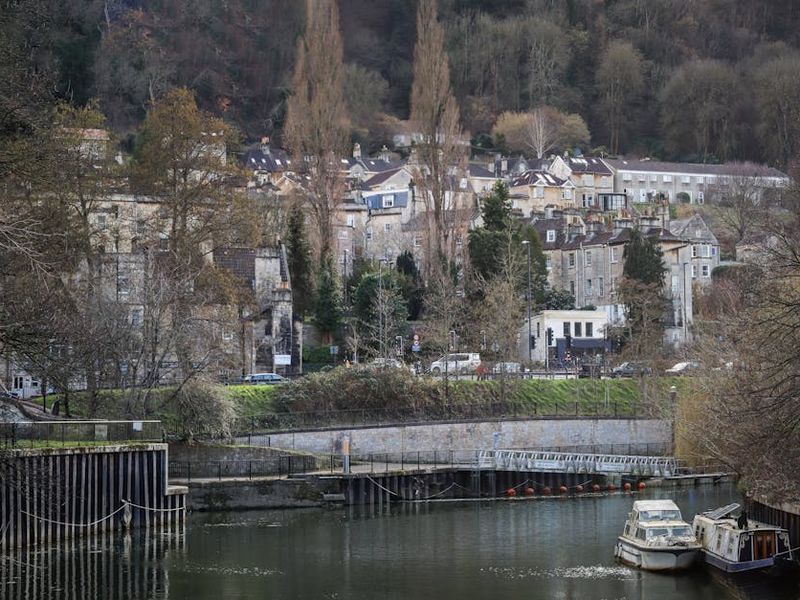
Cuenca’s walkable center and riverbanks are magnets for morning joggers and evening walkers. The Tomebamba River malecóns — a series of scenic riverfront promenades that flow near the historic center — are perfect for flat runs or easy strolls. Early mornings are best for fewer crowds and minimal vehicle traffic.
For hill repeats and more challenging routes, head to Mirador de Turi, where several paved and dirt routes climb to sweeping city views. The climb to Turi is popular with cyclists and runners who want to work on climbing strength without leaving the city.
Suggested Routes
- Historic Center to Tomebamba Malecón loop — 4–6 km, flat and scenic.
- Plaza Calderón to Mirador de Turi — 6–10 km round-trip, steep sections.
- Parque de la Madre loops — shorter repeats and easy intervals with nearby cafes.
Cycling: City Lanes and Epic Highland Routes
Cycling is booming in Cuenca. Many expats ride for fitness and commuting. Inside the city you’ll find designated bike lanes and quieter residential streets ideal for casual rides. For road cyclists and mountain bikers, the surrounding Azuay province offers varied terrain: quiet country roads, steep climbs, and technical singletrack in the hills.
One of the gems for road cyclists is the route toward Azogues and beyond — a good day ride with rolling terrain and coffee stops in small towns. For mountain bikers, explore trails north of the city and parts of the Sangay and El Cajas peripheries (note: some trails require a guide or local knowledge).
Cycling Practicalities
- Bring or buy a sturdy lock; theft can occur in busy areas.
- Wear high-visibility clothing and lights for dawn/dusk riding.
- Check tire size and brakes after rides in muddy highland trails — services are available in Cuenca at local bike shops.
Swimming and Aquatic Options
While Cuenca is not a beach city, there are public pools, private aquatics centers, and hotel pools where expats swim laps or take lessons. Public sports complexes sometimes run masters swim programs and aqua-aerobics. Private gyms commonly include pools, though sizes and hours vary.
If you prefer open-water practice, the large highland lakes and reservoirs around the region are an option for triathletes and open-water swimmers, but check local guidance for safety and permitted access.
How to Find Pools and Lessons
- Ask at university sports departments — they often have well-kept pools open to the public for a fee.
- Check municipal sports centers for schedule and lap lane availability.
- Look for private swim coaches and small clubs through Facebook groups and community boards.
Gyms, CrossFit and Fitness Studios
Cuenca’s expat community has access to a range of gyms from full-service facilities with strength and cardio areas to boutique yoga and CrossFit boxes. Many facilities offer monthly memberships, short-term passes, and class packs for people who are here temporarily.
Expect to find:
- Full-service gyms with weights, machines, and group classes (Zumba, spinning, strength).
- CrossFit-style boxes that run WODs and strength programs.
- Yoga and Pilates studios — great for recovery and flexibility at altitude.
Membership Tips
- Ask about trial weeks — many gyms happily offer a discounted or free trial to new members.
- Bring comfortable shoes and a towel; some places require them.
- Most studios accept cash and bank transfers; some accept cards but check ahead.
Team Sports: Find a Fútbol Game or Join a Club
Soccer (fútbol) is the national sport, and Cuenca is no exception. Pickup fútbol games happen in parks and rented 5-a-side pitches across the city. The Alejandro Serrano Aguilar stadium is the home of the local professional team — great for catching matches and meeting locals.
Expats often join local amateur leagues or weekly pickup games. Tennis and paddle tennis courts are common at clubs and neighborhoods. You’ll also find basketball courts inside schoolyards and community centers where informal games form regularly.
How to Plug Into Local Leagues
- Check expat Facebook groups and community bulletin boards for pickup game announcements.
- Visit rented futbol facilities (cancha sintética) — many post schedule boards and accept walk-ins for team spots.
- Bring cleats and shin guards; 5-a-side pitch rentals typically provide balls and nets but not players.
Hiking and Nature: El Cajas and Beyond
For trail runners and hikers, El Cajas National Park is a must. Located roughly 30–40 minutes from Cuenca (depending on where you’re coming from), El Cajas offers páramo landscapes, glacial lakes and a network of trails ranging from easy walks to multi-hour treks. The park’s high lakes are stunning and perfect for weekend adventure trips.
Other local hikes include smaller cloud-forest trails and waterfall routes. For longer expeditions, you can combine hiking with guided camping trips that introduce you to local flora and fauna.
Preparation and Safety
- Weather can change quickly — pack layers, rain protection, and warm clothing.
- Take a local guide for remote routes; cell service is spotty in the highlands.
- Altitude and exposure mean you should begin hikes early to avoid afternoon storms.
Climbing, Ziplines and Adventure Sports
For adrenaline seekers, Cuenca’s surrounding landscape offers rock climbing crags, via ferrata options, and zipline courses operated by local adventure companies. Many of these businesses run half-day and full-day outings, equipment included, and they are often bilingual or provide English-speaking guides familiar with expat requests.
Local tour operators can tailor trips for groups or individual skill levels — from beginner top-roping to multi-pitch climbs in more remote areas.
Finding Community: Clubs, Meetups and Where to Look
One of the best ways to stay active is to join a community. Cuenca has several expat-run sports groups and local clubs that welcome foreigners. Start with:
- Expat Facebook groups and community pages — they regularly post events, runs, and club meetups.
- Meetup.com — you’ll find running clubs, cycling groups, and yoga meetups.
- Local sports stores and cafes — they often have bulletin boards with club contact info.
Being social in local sports clubs is a fast track to language practice and new friendships. Many Ecuadorian clubs are community-oriented, and bringing a small gift or being punctual goes a long way.
Costs, Memberships and Saving Money
Sports costs in Cuenca are generally lower than in North America or Europe, but they vary. Municipal parks and river promenades are free. Gym monthly memberships can range from budget-friendly to mid-range depending on the facility and included classes. Team sport field rentals (cancha sintética) are often rented hourly and are affordable if you join a pooled group.
Money-saving tips:
- Ask about discounted rates for longer memberships (six months to a year).
- Try local community centers instead of private gyms for lower-cost classes and pool access.
- Share equipment: cyclists and triathletes often share transport to routes, and climbers frequently split guide fees.
Health, Insurance and Legal Considerations
If you’re training hard, carry proof of insurance that covers medical evacuation if you plan activities in more remote highland locations. Many expats opt for international health insurance with adventure-sport coverage. Also keep local identification and emergency contacts accessible, and register planned multi-day hikes or rides with a friend or local guide service.
Many gyms and adventure companies require a signed waiver. If you have a medical condition, get a doctor’s clearance and keep emergency medications with you.
Sample Weekly Routine for an Active Expat
Here’s a balanced sample week that uses Cuenca’s best facilities and makes room for acclimatization and recovery:
- Monday — Easy run on the Tomebamba malecón + yoga class in the evening.
- Tuesday — Strength session at a local gym (45–60 minutes).
- Wednesday — Hill repeats up to Mirador de Turi (short but intense).
- Thursday — Recovery swim or light spin class; mobility work.
- Friday — Social fútbol pickup or tennis match with new friends.
- Saturday — Long bike ride into the countryside or a day hike in El Cajas.
- Sunday — Rest, stroll in Parque Calderón and light stretching.
How to Start: First Week Checklist for New Arrivals
- Walk the historic center and Tomebamba malecón to find nearby routes.
- Visit two gyms to compare equipment, hours, and culture.
- Join one Facebook or Meetup group and introduce yourself to the community.
- Book a guided hike to El Cajas as your first highland excursion.
- Find a local bike shop for a tune-up and to learn about the best nearby rides.
Final Thoughts: Staying Consistent in Cuenca
Cuenca offers a compelling mix of urban convenience and near-immediate access to highland outdoor adventures. For expats, the key to a fulfilling sports life here is gradual adaptation to altitude, using community resources to plug into activities, and balancing indoor training with the region’s outstanding outdoor offerings. Whether you’re chasing long rides, serene hikes among páramo lakes, or a lively weekly fútbol match, you’ll find it easy to keep moving in Cuenca.
Start small, ask locals for route and facility recommendations, and be open to trying new sports — the city’s variety makes it easy to try something different each month.
Adam Elliot Altholtz serves as the Administrator & Patient Coordinator of the “Smilehealth Ecuador Dental Clinic“, along with his fellow Expats’ beloved ‘Dr. No Pain‘, right here in Cuenca, Ecuador, and for purposes of discussing all your Dental needs and questions, is available virtually 24/7 on all 365 days of the year, including holidays. Adam proudly responds to ALL Expat patients from at least 7:00am to 9:00pm Ecuador time, again every single day of the year (and once more even on holidays), when you write to him by email at info@smilehealthecuador.com and also by inquiry submitted on the Dental Clinic’s fully detailed website of www.smilehealthecuador.com for you to visit any time, by day or night. Plus, you can reach Adam directly by WhatsApp at +593 98 392 9606 -or by his US phone number of 1‐(941)‐227‐0114, and the Dental Clinic’s Ecuador phone number for local Expats residing in Cuenca is 07‐410‐8745. ALWAYS, you will receive your full Dental Service in English (NEVER in Spanish), per you as an Expat either living in or desiring to visit Cuenca by your Dental Vacation, plus also to enjoy all of Ecuador’s wonders that are just waiting for you to come arouse and delight your senses.