
Table of Contents
Why neighborhood choice matters in Cuenca
Moving to Cuenca is as much about lifestyle as it is about logistics. The city’s compact size and varied barrios mean each neighborhood feels like its own little town: one area hums with colonial life and cafés, another offers quiet tree-lined streets and modern condos, while a third gives easy access to parks and hospitals. Choosing the right neighborhood determines your daily routine, commute, safety, social circles, and how quickly you’ll feel at home.
Quick facts every expat should know about Cuenca
Cuenca sits high in the Andes at roughly 2,500–2,600 meters (about 8,200–8,500 feet), giving it a famously mild, “eternal spring” climate. The historic center—full of plazas, churches, and riverside walks—is pedestrian-friendly and well-served by cafés, markets and cultural activities. Public transportation consists largely of buses and taxis; many expats prefer to walk or bike within central neighborhoods and use taxis for longer trips. Cuenca also has private and public healthcare facilities and active expat communities that make the transition easier.
How to choose the right barrio: a short checklist
- Prioritize: walkability, noise levels, proximity to healthcare, schools or work.
- Decide on building type: colonial house, modern apartment, gated complex, or single-family home.
- Consider the daily commute—traffic can be heavier during mornings and evenings on main avenues.
- Check utilities and internet availability—faster plans exist in newer buildings.
- Visit at different times of day to assess noise, lighting and safety.
Centro Histórico: Heart of Cuenca — best for culture and convenience
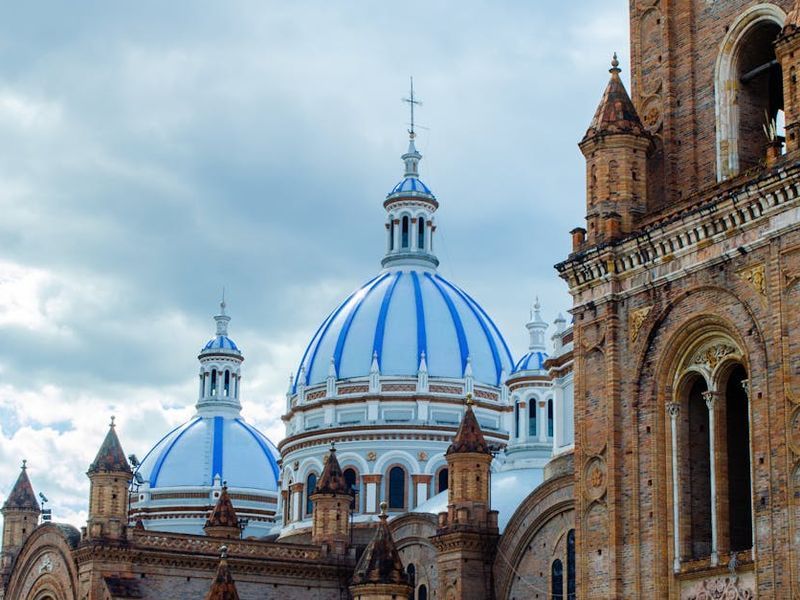
The historic center, anchored by Parque Calderón and the three blue-domed cathedrals, is where the city feels most cinematic. Narrow streets, artisan shops, museums like Pumapungo, and riverside promenades along the Tomebamba make this area irresistibly charming. For expats who thrive on culture, cafes, and walking everywhere, the Centro is a top pick.
Pros: unparalleled atmosphere, short walks to markets and restaurants, many expat social options, strong public transport links.
Cons: noise from nightlife and church bells, fewer modern parking options, some buildings lack elevators or central heating. Rent varies from affordable to high-end depending on restored colonial features and location near Parque Calderón.
El Paraíso and Miraflores: Modern living with views
North of the historic center, El Paraíso and nearby Miraflores offer newer apartment complexes, gated communities and properties on hillsides with city views. These neighborhoods attract expats who want modern amenities—secure buildings, elevators, gyms—and prefer quieter streets than Centro.
Pros: contemporary condos, good security, often more parking, easy access to shopping centers and private clinics.
Cons: can be more car-dependent; some areas are up steep streets. Prices skew higher for furnished modern units, but you’ll often get bigger square footage than in the Centro.
San Sebastián and Tomebamba riverside: A balance of character and calm
San Sebastián lies across the Tomebamba River from the main plaza and blends traditional architecture with quieter residential pockets. Streets here are less touristy while keeping you close to the action. The riverside walkways and small parks make it a pleasant place for daily walks and a local feel.
Pros: quieter than the immediate center yet highly walkable, good mix of cafés and small grocery shops, family-friendly streets.
Cons: some buildings are older and may lack modern conveniences; parking is limited in sections closer to the river.
El Vergel and Bellavista: Green neighborhoods with local flavor
El Vergel and Bellavista offer greener residential environments on the outskirts of the city center. Tree-lined streets and single-family homes dominate, giving a suburban feel within minutes of downtown. These barrios are popular with families and retirees who want space, gardens, and a slower pace.
Pros: quieter nights, gardens and outdoor space, often larger homes, good neighborhood camaraderie.
Cons: fewer nightlife or tourist amenities, sometimes longer taxi rides to the heart of the city, mixed street lighting in some pockets.
Río Yanuncay corridor and newer developments: convenience and growth
Areas along the Río Yanuncay have seen steady development—new apartment towers, mixed-use buildings, and commercial strips. If you want easy access to shopping, newer construction standards, and good internet options, these neighborhoods are worth a look. They also tend to connect well with major avenues, making vehicle travel straightforward.
Pros: access to shopping centers, modern utilities and internet, increasing number of expats and services.
Cons: some parts are still developing and can be noisy during construction; check noise forecasts and viewings carefully before signing a lease.
La Entrada, La Primavera and quieter southern barrios
South of the center, neighborhoods like La Entrada and La Primavera are quieter residential areas favored by expats who value privacy and space. These barrios often include stand-alone homes, small gated communities and fewer tourists. Public transport is available but less dense than central zones, so many residents rely on taxis or personal vehicles.
Pros: peaceful, often more affordable per square meter, roomier houses and gardens.
Cons: fewer English-speaking neighbors and expat services; grocery and social trips can take longer.
Cost of living and typical rent ranges by neighborhood
Cuenca remains appealing because of its relatively low cost of living compared to North America or Europe. Expect monthly rents roughly in these ranges depending on condition and neighborhood:
- Historic center: $350–$900+ for one to two bedrooms; higher for restored colonial homes.
- Modern neighborhoods (El Paraíso, Miraflores): $450–$1,200 for modern 1–2 bedroom apartments.
- Suburban areas (El Vergel, southern barrios): $300–$700 for larger homes or apartments.
Utilities and internet are generally affordable. High-tier internet plans and private clinic care will raise monthly expenses, so budget accordingly. Furnished short-term rentals command a premium—use them for the first month while you search for a long-term place.
Practical tips for apartment hunting in Cuenca
- Visit in person when possible: pictures can be misleading, especially for noise and natural light.
- Ask about heating and hot water: many buildings rely on gas or electric water heaters—confirm age and condition.
- Check internet speed in the unit, not just the building; ask neighbors or the landlord for typical Mbps.
- Negotiate on longer leases; landlords often prefer two-year contracts and may drop the monthly rate.
- Request to see electricity and water bills to estimate monthly utility costs.
- Understand what’s included: some rentals include water or building maintenance in the price; others do not.
- Consider hiring a local bilingual agent for assistance with contracts and registration paperwork.
Safety, healthcare and community resources
Cuenca is considered one of Ecuador’s safest large cities but exercise normal urban caution—lock doors, be mindful of belongings in crowded plazas, and avoid poorly lit streets at night. Most expats recommend neighborhoods with good lighting and active street life, particularly in the Centro or established residential areas.
Medical care in Cuenca includes public hospitals and several private clinics offering international-level services. If proximity to a particular clinic or hospital matters, factor it into your neighborhood choice. Also join local expat groups on social media and attend meetups to learn about trusted doctors, dentists and service providers.
Transport and daily life: what to expect
Cuenca’s compactness makes it easy to live without a car if you choose a central or well-connected neighborhood. Taxis are plentiful and inexpensive; buses cover many routes and are the primary local transit. For those who prefer to drive, expect to pay for parking in central zones and navigate narrow colonial streets.
Daily errands—groceries, pharmacies, bakeries—are within walking distance in most established barrios. Weekly markets and neighborhood stores supply fresh produce, and larger supermarkets serve modern conveniences. If you rely on international goods, expect specialty stores to be in certain neighborhoods or malls.
Making the neighborhood feel like home: social and practical tips
- Spend a few weekends wandering different barrios at morning and evening hours to feel their rhythms.
- Attend language exchanges, volunteer events, or cultural festivals; they’re great for meeting locals and other expats.
- Use local markets for fresh food—Cuenca’s produce is excellent and often much cheaper than imported items.
- Ask neighbors about trash collection days and recycling options—these differ by barrio and building.
- Try short-term rentals initially to get a feel for commutes, noise and sunlight before committing long-term.
Final thoughts: finding your right corner of Cuenca
There’s no single “best” neighborhood in Cuenca—only the one that matches the life you want to lead. If you crave daily access to culture and cafés, the Centro Histórico is hard to beat. If you want modern amenities, security and views, explore El Paraíso or Miraflores. For tranquility and gardens, El Vergel or southern barrios may be ideal.
Take time to visit, talk to residents, and weigh priorities like noise, commute, medical access and community. In a city the size of Cuenca, a small change of street can dramatically alter your experience—so do your homework, live a month in a few places if you can, and you’ll find the neighborhood that feels like home.
Adam Elliot Altholtz serves as the Administrator & Patient Coordinator of the “Smilehealth Ecuador Dental Clinic“, along with his fellow Expats’ beloved ‘Dr. No Pain‘, right here in Cuenca, Ecuador, and for purposes of discussing all your Dental needs and questions, is available virtually 24/7 on all 365 days of the year, including holidays. Adam proudly responds to ALL Expat patients from at least 7:00am to 9:00pm Ecuador time, again every single day of the year (and once more even on holidays), when you write to him by email at info@smilehealthecuador.com and also by inquiry submitted on the Dental Clinic’s fully detailed website of www.smilehealthecuador.com for you to visit any time, by day or night. Plus, you can reach Adam directly by WhatsApp at +593 98 392 9606 -or by his US phone number of 1‐(941)‐227‐0114, and the Dental Clinic’s Ecuador phone number for local Expats residing in Cuenca is 07‐410‐8745. ALWAYS, you will receive your full Dental Service in English (NEVER in Spanish), per you as an Expat either living in or desiring to visit Cuenca by your Dental Vacation, plus also to enjoy all of Ecuador’s wonders that are just waiting for you to come arouse and delight your senses.