
Table of Contents
Why your neighborhood choice matters in Cuenca
Moving to Cuenca is more than choosing a city — it’s choosing a rhythm of life. At 2,560 meters above sea level, this UNESCO-listed colonial city combines cool mountain air, three rivers that lace the downtown, and a surprising range of neighborhoods: serene residential zones, lively historic districts, and hilltop enclaves with sweeping views. Which area you pick will shape daily routines, social life, access to healthcare, and even how you cope with altitude and climate. This guide breaks down the most practical and popular neighborhoods for expats, what each feels like, and concrete tips to make the move smoother.
Quick orientation: Cuenca’s urban layout and practicalities
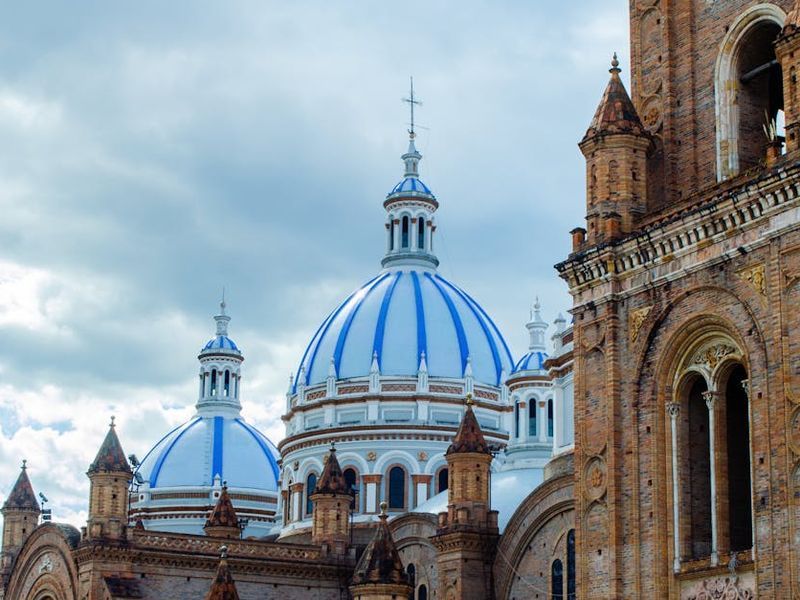
Cuenca’s center is compact and highly walkable: the Parque Calderón (main square) anchors the Historic Center, surrounded by narrow cobblestone streets, churches, and markets. Three rivers — Tomebamba, Yanuncay, and Machángara — run through the city and create natural boundaries that neighborhoods often reference. Public buses and taxis are the main transport options; many residents also walk or bike short distances. Major supermarket chains such as Supermaxi and Tía serve neighborhoods, while weekly mercados offer fresh produce at lower prices.
Top neighborhoods for expats — what each offers
1) Centro Histórico (Historic Center)
Who it’s for: culture lovers, walkers, newcomers who want to be in the action.
Why expats choose it: the charm is undeniable — colonial architecture, cafés that spill onto sidewalks, artisan shops, and immediate access to museums and restaurants. You’ll be near Parque Calderón, the cathedral, and key services like banks and consulates. The neighborhood has an active expat scene and many short-term furnished rentals, which is ideal for trial stays.
Practical notes: apartments here often lack modern insulation and central heating but have character. Expect noise on weekends and narrow streets that can complicate parking. Rent ranges widely: modest one-bedroom units start around $300–$500; more restored colonial flats can go $600–$1,200 depending on size and finish.
2) San Sebastián
Who it’s for: food lovers, artisans, people who want a historic vibe with neighborhood calm.
Why expats choose it: just south of the Tomebamba River, San Sebastián offers artisan shops, bakeries, and a neighborhood feel while remaining within walking distance of the center. Streets here are lively but less touristy than the immediate core, and you’ll find a blend of traditional homes and small apartment buildings.
Practical notes: the area is great for those who like to walk to cafés and local markets. Rentals tend to be slightly cheaper than the central blocks, with many family-run properties available. Safety is generally good, but always use common-sense precautions at night.
3) Turi (hilltop village and neighborhood)
Who it’s for: retirees and families seeking views, quieter nights, and easy access to nature.
Why expats choose it: Turi sits on a hill to the south of Cuenca and is famous for its panoramic lookout and the church on the ridge. It has a more residential, suburban feel with modern apartment complexes that capitalize on the vistas. Turi offers quieter streets and more space for the price.
Practical notes: commutes to the city center are longer (expect a 15–30 minute drive depending on traffic), and while public transport reaches Turi, many residents prefer having a car. Rents for modern, view-oriented apartments often start around $400–$700 for one-bed units and can go higher for luxury condos.
4) Bellavista and northern residential areas
Who it’s for: families and those who want newer housing, parks, and quieter streets.
Why expats choose it: northern neighborhoods such as Bellavista offer more modern developments, wider streets, and access to schools and parks. These neighborhoods are popular for families because of open space and proximity to private schools and clinics.
Practical notes: you’ll find gated communities and newer apartment buildings. Grocery options include chain supermarkets and local markets. If you want a garden or a garage, the north is a solid bet.
5) Riverside neighborhoods (Tomebamba and Yanuncay corridors)
Who it’s for: walkers, cyclists, and people who love green, linear parks.
Why expats choose it: areas along the rivers, particularly where the Tomebamba is framed by promenades, combine scenic walks with proximity to the center. You can find apartments and small houses with easy access to the river paths, which are great for morning walks or evening outings.
Practical notes: some riverside blocks are quieter and residential, while sections near bridges can be busier. Expect a mix of older buildings and renovated units. Proximity to the rivers can mean slightly higher humidity, so check for mold when inspecting homes.
6) Modern suburbs and gated communities
Who it’s for: expats who want modern amenities, private parking, and more predictable infrastructure.
Why expats choose it: gated compounds and suburban developments offer consistent maintenance, security, and amenities like gyms and green areas. Many expats with children or those seeking a more North-American-style living situation opt for these areas outside the core.
Practical notes: these areas typically require a car and can be more expensive. Utilities and HOA fees are additional monthly costs. For families, proximity to international schools is a benefit worth considering.
How to choose the right neighborhood for you
Choosing among Cuenca’s neighborhoods comes down to priorities: do you want walkability, green space, quiet nights, or views? Here’s a quick checklist to help:
- Commute tolerance: How far are you willing to drive or ride a bus daily?
- Noise sensitivity: Do you mind weekend tourists and festivals in the center?
- Healthcare access: Are you close enough to major hospitals and clinics?
- Social life: Do you prefer an established expat community or to integrate locally?
- Budget: What rent and utility levels fit your monthly plan?
Practical tips for apartment hunting in Cuenca
Renting in Cuenca follows patterns common across Ecuador, but a few local tips will save time and stress:
- Start with a short-term rental: Spend 2–6 weeks in a furnished place while you tour neighborhoods in person. Cuenca’s microclimates and daily rhythms are best judged firsthand.
- Use multiple channels: local realtors, Facebook groups for expats in Cuenca, and classified sites. Word-of-mouth is powerful — meet expats at cafés or language exchanges.
- Inspect utilities: check hot water (often gas heaters called ‘calefóns’), water pressure, electricity (some places have limited circuits), and internet speed. Ask neighbors if there are regular outages.
- Look for mold risks: due to the humid mountain climate, poorly ventilated apartments can develop dampness. Check ceilings and closets for signs of moisture.
- Negotiate lease terms: long-term contracts are available, and landlords may accept a local guarantor or two months’ deposit. Confirm who pays for utilities and maintenance.
- Ask about appliances and parking: some buildings don’t have elevators or underground parking — important if you have mobility needs or a car.
Cost of living snapshot by neighborhood type
Below are general monthly cost estimates to help you budget. Prices change, so use these as starting points:
- Historic Center: one-bedroom $300–$800 (furnished), two-bedroom $500–$1,200.
- San Sebastián: slightly lower on average than the busiest center blocks.
- Turi and Bellavista: one-bedroom condos $400–$900 depending on amenities and views.
- Gated communities / newer suburbs: higher-end $700–$1,500 for modern two-bedroom units.
- Utilities and internet: $60–$120 per month typical for modest households; high-speed fiber plans can be $25–$40.
Safety, healthcare, and services
Cuenca is often ranked among Ecuador’s safest large cities. Neighborhoods with high pedestrian traffic and tourist presence tend to be well-patrolled. Still, petty theft happens — use basic precautions like securing valuables and avoiding poorly lit streets at night. Healthcare in Cuenca is strong for a city its size: you’ll find reputable private clinics and larger public hospitals. If ongoing care is important, choose a neighborhood with easy access to your preferred clinic or hospital — many expats center their housing decisions around this factor.
Community and social life by neighborhood
Expats in Cuenca often form communities around cafés, language classes, volunteering, and clubs. The Historic Center has the densest concentration of expats and events, but you’ll also find tight-knit groups in residential northern neighborhoods and Turi. If you want to build social ties quickly, join Facebook groups for Cuenca expats or attend meetups, English-friendly churches, or hobby clubs.
Sample three-day neighborhood tour itinerary
When you visit to compare neighborhoods, give yourself time to feel the rhythm. Here’s a practical plan:
- Day 1 — Historic Center and San Sebastián: Walk the main plazas, visit markets, stop at a bakery, and check apartment listings in the area.
- Day 2 — Rivers and northern residential zones: Walk riverside paths in the morning, then tour modern apartment buildings near supermarkets and clinics.
- Day 3 — Turi and hilltop areas: Drive up for sunset views, visit gated communities, and check commute times back into the center during rush hour.
Final thoughts: balance practicality with lifestyle
Cuenca’s neighborhoods each offer a distinct balance of charm, convenience, and cost. Many expats end up in the Historic Center for the atmosphere, in Turi for the views and quiet, or in northern residential areas for family-friendly amenities. The best strategy: try before you commit, check utilities and mold, and prioritize proximity to services that matter most to you — clinic, grocery, or social life. With a bit of scouting and patience, you’ll find the Cuenca neighborhood that feels like home.
If you’d like, tell me whether you prioritize walkability, schools, views, or budget and I’ll suggest 2–3 specific neighborhoods to tour first.
Adam Elliot Altholtz serves as the Administrator & Patient Coordinator of the “Smilehealth Ecuador Dental Clinic“, along with his fellow Expats’ beloved ‘Dr. No Pain‘, right here in Cuenca, Ecuador, and for purposes of discussing all your Dental needs and questions, is available virtually 24/7 on all 365 days of the year, including holidays. Adam proudly responds to ALL Expat patients from at least 7:00am to 9:00pm Ecuador time, again every single day of the year (and once more even on holidays), when you write to him by email at info@smilehealthecuador.com and also by inquiry submitted on the Dental Clinic’s fully detailed website of www.smilehealthecuador.com for you to visit any time, by day or night. Plus, you can reach Adam directly by WhatsApp at +593 98 392 9606 -or by his US phone number of 1‐(941)‐227‐0114, and the Dental Clinic’s Ecuador phone number for local Expats residing in Cuenca is 07‐410‐8745. ALWAYS, you will receive your full Dental Service in English (NEVER in Spanish), per you as an Expat either living in or desiring to visit Cuenca by your Dental Vacation, plus also to enjoy all of Ecuador’s wonders that are just waiting for you to come arouse and delight your senses.