
Table of Contents
Why Cuenca? A Visual Playground for Expat Artists
Cuenca, Ecuador’s UNESCO-listed colonial jewel, pulls creative people in with cobblestone streets, tile roofs and a light that makes colors pop. For expat artists the city offers a blend of architectural grandeur, riverfront intimacy and Andean highland landscapes—each a unique source of inspiration. This guide takes you beyond the postcards to practical places and strategies for painting, drawing, photographing, and building a life as an artist in Cuenca.
First Steps: Getting Oriented as an Expat Artist
Before setting up an easel on a riverbank, take a few weeks to map the city. Walk the Centro Histórico around Parque Calderón to feel the rhythm of plazas and pedestrian lanes, and then drift toward neighborhoods that feed your practice—Turi for broad views, El Barranco for intimate riverside composition, and the artisan towns outside Cuenca for texture and technique.
Practical tip: Spend the first weekend checking art supply stores and galleries along Calle Larga and near the Universidad de Cuenca. Learning a handful of Spanish phrases about art and materials—like “papel de acuarela” (watercolor paper) or “tela para óleo” (canvas for oil)—makes shopping and networking easier.
Plein-Air Favorites: Paint the Light of the Tomebamba
The Tomebamba River runs like a visual spine through the historic center of Cuenca. Its stepped walkways, small footbridges, and the reflections of tiled roofs in its water are ideal for plein-air painting and photography. Early morning and late afternoon—when the Andean light softens—are the best times for dramatic skies and long shadows.
Top spots along the river:
- Tomebamba banks near the Puente Roto and adjacent gardens — great for courtyard and rooftop views.
- The bridges and stairs around El Barranco — intimate scenes, local life, and unexpected color pops from window dressings and plants.
- Riverside walkways close to the Old and New Cathedrals — capture the contrast between historic facades and everyday street life.
Elevated Perspectives: Mirador de Turi and Cerro Nearby
For sweeping panoramas, head to Mirador de Turi. The viewpoint is an essential location for expat landscape painters and photographers who want broad cityscapes against the Andean backdrop. Bring layers: the altitude brings crisp light but also quick temperature changes.
Practical gear tip: Pack a compact stool, a wind-resistant easel, and an umbrella or tarpaulin when painting outdoors—Cuenca’s mountain weather can shift in minutes.
Markets, Colors and Textures: Where to Study Pattern and Craft
Art is not only made in studios—it’s woven, dyed and hammered into life in nearby artisan towns and local markets. Chordeleg and Gualaceo, both short drives from Cuenca, are living workshops where jewelers, weavers and hat-makers practice centuries-old techniques. Up close, you’ll see the natural dyes (think indigo and cochineal), hand-loomed patterns, and intricate filigree that can reshape your palette and approach.
In town, the Flower Market near Parque Calderón and the municipal markets are invaluable for sketching still lifes, studying local color combinations, and buying inexpensive props for studio work.
Museums and Galleries: Study the Masters and Meet the Scene
Museo Pumapungo is a must for artists who want to ground their work in local history: pre-Columbian ruins, ethnographic displays, and textiles provide context and visual vocabulary. The Banco Central museum in Cuenca offers rotating exhibits that can inspire both technique and theme.
Gallery evenings and small art spaces—often concentrated along Calle Larga and near the main plaza—are where you’ll find openings, meet other creators, and learn about upcoming workshops and collaborative shows. Sign up for gallery mailing lists and local Facebook groups aimed at creatives to stay informed.
Studios, Co-ops and Affordable Workspaces
Finding a studio in Cuenca is doable on a modest budget compared with many North American or European cities. Options include shared co-op studios, private rooms above workshops, or converting a spare apartment room into a studio. Monthly rents for shared workspace can range widely, but many artists find reasonable arrangements by networking at local galleries and the university.
Where to look:
- University of Cuenca’s arts department bulletin boards—students and faculty often know about available spaces.
- Local Facebook groups and classifieds—expat communities frequently list shared studios and sublets.
- Neighborhoods like El Centro, El Barranco, and Turi—each offers different vibes and price points.
Logistics tip: Check for good natural light and ventilation; humidity can be an issue when storing canvases or paper. A small dehumidifier and breathable storage materials will protect your work.
Supplies: Where to Buy Materials and Find Local Alternatives
Cuenca has a number of art supply shops that carry the basics—canvases, brushes, paints, sketchbooks and framing services. You’ll often find the best selection along the commercial corridors near the university and downtown. For specialty pigments or imported brands, plan to order online or visit Guayaquil or Quito on a market trip.
Creative alternative: Explore local materials and techniques. Natural dyes, woven fibers, and clay from regional workshops can expand your practice while supporting local artisans. Buying directly from makers in Chordeleg and Gualaceo strengthens connections and gives you access to raw materials and demonstrations.
Connecting with the Local Art Community
Community is crucial for any expat artist. Cuenca has a modest but active artistic ecosystem—galleries, independent studios, and cultural centers. Casa de la Cultura and small private galleries host workshops, lectures and openings where you can meet Ecuadorian artists and fellow expats.
Ways to plug in:
- Attend gallery openings and cultural nights—these are social and often informal.
- Join Facebook groups like “Cuenca Expats” and artist-focused groups to ask about life drawing nights, shared-studio invites, or pop-up markets.
- Volunteer at local festivals or arts events to build relationships and gain exhibition opportunities.
Exhibiting and Selling: Practical Advice for Expats
Selling work in Cuenca can be a slow but rewarding process. Small galleries, cafés, and boutique hotels sometimes accept art on consignment; artisan markets and weekend craft fairs are great for test-selling small works. If you plan to sell regularly, learn the municipal rules—markets and some city-run fairs require vendor permits.
Business tips:
- Start small: offer postcards, limited prints, and small originals to test price points.
- Build relationships with local shop owners and gallery curators—consignment often begins with a relationship, not a contract.
- Maintain an online presence (Instagram and an artist website) to reach tourists and locals who prefer to buy by commission.
Workshops, Teaching and Collaboration
Teaching an occasional workshop or offering private lessons is a reliable way to supplement income and integrate into the community. Spanish-language classes tailored to artists are particularly valued—consider offering bilingual sessions or partnering with language schools for cultural exchange workshops.
Collaborations with local artisans—textile designers, potters, jewelers—can expand your practice and create hybrid projects that sell well at craft fairs and galleries. Collaborative work also offers deep cultural exchange and often unearths new techniques and motifs.
Seasonal and Weather Considerations
Cuenca’s mountain climate is a creative advantage and a logistical factor. The city sits at about 2,560 meters (8,400 feet), which means bright, clear light but also rapid weather shifts and cool mornings. The dry season (roughly June to September) is ideal for plein-air work. During the rainy months you’ll want indoor projects and a protected studio space.
Health tip: Sunscreen and a wide-brimmed hat are musts—the high altitude intensifies UV. Layered clothing helps you move from chilly dawn to sunny afternoons without disrupting your workflow.
Respect, Permission and Ethical Notes
When working with people and communities, be respectful and ask permission before photographing or painting portraits—especially in indigenous markets or private workshops. Many artisans welcome visitors and are happy to demonstrate their techniques; offering to purchase materials, paying for demonstrations, or hiring models fosters goodwill.
If you’re documenting traditional techniques, credit artists and consider collaborative royalties or miniature commissions that support the makers you photograph or paint.
Day Trips and Short Retreats: Recharge Your Practice
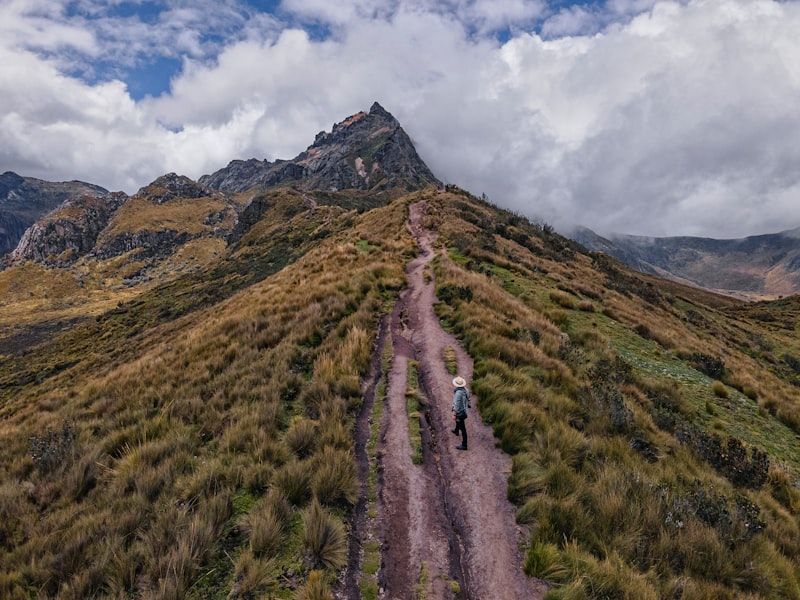
Cuenca’s surrounding Azuay province is full of short retreats perfect for creative deep dives. El Cajas National Park, with its glacial lakes and windswept páramo, is a different kind of palette—muted grays, deep greens and silver-blue water. Chordeleg’s jewelers and Gualaceo’s textile workshops make great day-trip study tours. Plan a few weekend retreats each season to refresh your work and collect new subject matter.
Final Practical Checklist for Moving Your Art Life to Cuenca
- Scout neighborhoods for light, noise and studio options—Centro for walkable inspiration, Turi for views.
- Connect with local art institutions (Casa de la Cultura, Universidad de Cuenca) early.
- Buy local materials and explore artisan towns like Chordeleg and Gualaceo for unique supplies and collaboration.
- Pack a portable kit for plein air: collapsible stool, small easel, umbrella/tarp, UV-protective hat, and layers.
- Learn key Spanish phrases and cultural etiquette for markets, studios and portrait sittings.
- Keep humidity control in mind—use breathable storage for paper and canvases.
- Start selling small works first—postcards, prints and birch-blocks—to test the market.
Closing Thoughts: Let Cuenca Change Your Vision
For expat artists, Cuenca is more than a set of scenic locations—it’s a place where craft traditions, colonial architecture, Andean landscapes and a welcoming expat community interact in ways that can reshape your practice. Whether you’re sketching the reflections on the Tomebamba, learning dye techniques in a nearby village, or showing a small series in a cozy Calle Larga gallery, Cuenca nudges you toward new colors, new processes, and a slower, more tactile approach to making art.
Bring curiosity, respect for local culture, a willingness to experiment, and a camera as a backup. The city will reward you with scenes, techniques and friendships that inform artistic work for years to come.
Adam Elliot Altholtz serves as the Administrator & Patient Coordinator of the “Smilehealth Ecuador Dental Clinic“, along with his fellow Expats’ beloved ‘Dr. No Pain‘, right here in Cuenca, Ecuador, and for purposes of discussing all your Dental needs and questions, is available virtually 24/7 on all 365 days of the year, including holidays. Adam proudly responds to ALL Expat patients from at least 7:00am to 9:00pm Ecuador time, again every single day of the year (and once more even on holidays), when you write to him by email at info@smilehealthecuador.com and also by inquiry submitted on the Dental Clinic’s fully detailed website of www.smilehealthecuador.com for you to visit any time, by day or night. Plus, you can reach Adam directly by WhatsApp at +593 98 392 9606 -or by his US phone number of 1‐(941)‐227‐0114, and the Dental Clinic’s Ecuador phone number for local Expats residing in Cuenca is 07‐410‐8745. ALWAYS, you will receive your full Dental Service in English (NEVER in Spanish), per you as an Expat either living in or desiring to visit Cuenca by your Dental Vacation, plus also to enjoy all of Ecuador’s wonders that are just waiting for you to come arouse and delight your senses.