
Table of Contents
Why Cuenca is a Magnet for Expat Artists
Perched high in the southern Ecuadorian Andes, Cuenca offers a unique mix: colonial streets, dramatic mountain light, lively artisan markets and a calm pace that suits creative work. For expat artists the city is compact enough to explore on foot, yet rich in varied visual and cultural material — perfect for plein-air painting, photography, textile studies and mixed-media projects. In this guide you’ll find tried-and-true locations, practical tips, and local resources to help you move beyond the postcard views and discover the quieter places that spark new ideas.
Historic Center: Plaza Calderón and the New Cathedral
The heart of Cuenca is Plaza Abdón Calderón (commonly called Parque Calderón). From the blue domes of the New Cathedral (Catedral de la Inmaculada Concepción) to the ornate balconies surrounding the square, this area brims with composition possibilities. Early mornings are ideal for soft light and empty streets; late afternoons bring warm, golden hues that highlight the cathedral’s stonework.
Practical tip: arrive before sunrise if you want quiet reference photos or uninterrupted plein-air sessions. If you need supplies, there are often small stationary and craft shops within a few blocks of the plaza.
El Barranco and the Tomebamba River: Where Old Walls Tell Stories
Walk south from the historic center and descend the steps to El Barranco, the steep riverbank neighborhood that runs along the Tomebamba River. The interplay of water, stone retaining walls, and hanging bougainvillea creates intimate scenes for watercolor, ink, and urban sketching. Bridges, stairways and small plazas provide natural frames for compositions and candid street portraiture.
Practical tip: the riverbank can be cooler and breezier; bring a wind clip for plein-air paper and dress in layers. If you’re photographing reflections, aim for early mornings when the water is calmer.
Turi Mirador and Panoramic Views
For sweeping panoramas of Cuenca’s red-tiled roofs and the cathedral domes, head to the Mirador de Turi, located a short drive from the city center. The vantage point captures the city at scale and is ideal for planning large-format works or field sketches that convey urban rhythm and the surrounding Andean landscape.
Practical tip: Turi gets strong sun and high-altitude exposure; sunglasses, a hat and sunscreen are essential. If you don’t have a vehicle, shared taxis and tour buses make the short climb regularly.
El Centro Histórico’s Side Streets and Calle Larga
Beyond the main plaza, Cuenca’s narrow lanes and colonial facades are a goldmine for detail-oriented artists. Calle Larga and its adjacent streets host galleries, small museums and artisan workshops. Here you’ll find carved doors, wrought-iron balconies, and unexpected courtyards—excellent for studies in texture, shadow, and architectural ornamentation.
Practical tip: wander without a strict plan. Schedule one afternoon to simply explore, photograph interesting doorways and staircases, and look for neighborhood cafés where you can sketch and meet locals.
Museo Pumapungo and Indigenous Textile Displays
Museo Pumapungo is a must-visit for artists interested in indigenous textiles, historical artifacts and archaeological gardens. The museum’s ethnographic rooms and hands-on displays offer deep visual research material for pattern, color, and motif inspiration. Outside, restored Inca ruins and gardens present a quieter, contemplative environment for sketching or photographing for later studio work.
Practical tip: check the museum’s schedule for rotating exhibits and guided tours that explain symbolism and techniques behind traditional textiles—context that can enrich your artistic references.
Cajas National Park: High-Andean Landscapes and Páramo Light
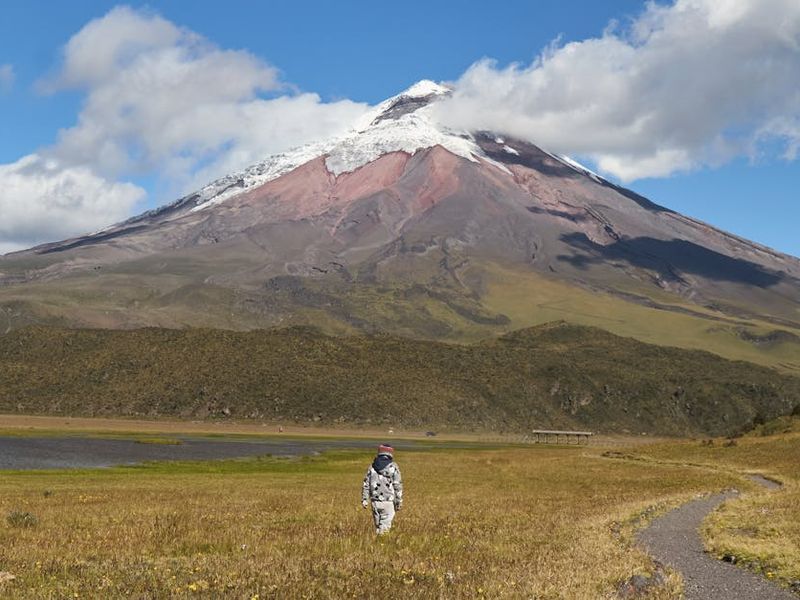
Less than an hour from Cuenca lies Parque Nacional Cajas, a dramatic high-elevation landscape of glacial lakes, cushion plants, and mist-softened horizons. Artists who want to study moody skies, water reflections, and sparse, sculptural vegetation will find Cajas irresistible. The park’s shifting light and weather can produce dramatic, expressive references for oil, watercolor, and photography.
Practical tip: altitude is real here—Cajas sits above 3,000 meters. Stay hydrated, keep sessions short at first, and carry a warm jacket because temperatures change quickly. Local guides and park maps are available at the access points near Cuenca.
Nearby Artisan Towns: Gualaceo and Chordeleg
Two short day trips reward artists interested in craft traditions. Gualaceo is known for textiles and colorful markets where woven fabrics, traditional garments and dyes are on display. Chordeleg is famous for filigree silverwork and jewelers’ workshops—an ideal place to study pattern, metallic reflections and small-scale detail work.
Practical tip: visit the municipal markets in the morning when artisans are setting up. Don’t hesitate to ask about materials and techniques—many craftspeople are proud to explain their processes and may let you photograph or sketch with permission.
Community Studios, Workshops and Art Schools
Cuenca has a lively local arts community—community centers and talleres (workshops) offer classes in painting, printmaking, ceramics and textile arts. These studios are great for meeting other artists, exchanging techniques, and finding long-term collaboration. Look for weekly classes in Spanish-language art centers; many teachers are comfortable with bilingual students.
Practical tip: search local bulletin boards, Facebook groups such as Cuenca expat pages or local cultural centers for current workshop listings. If you’re short on Spanish, bring a translation app or connect with a bilingual student to help bridge language gaps during classes.
Cafés, Bookstores and Creative Workspaces
Cafés throughout the historic center double as co-working and sketching spots. Many offer reliable wifi, good coffee and outdoor seating where you can watch street life. Bookstores and cultural centers frequently host readings, exhibitions and small performances—occasions where artists can swap ideas and meet curators and collectors.
Practical tip: buy a coffee or a pastry if you plan to stay for a long session; local cafés appreciate regular customers and small purchases help build rapport with staff who may allow you in quieter corners to sketch.
Markets and Everyday Life: Rows of Color and Movement
Cuenca’s central market (locally called the Mercado Central) and neighborhood markets are rich with color, textures and dynamic human subjects. From stacks of tropical fruits to bustling fish stalls and traditional dress, these markets are ideal for practice in gesture, quick studies and color notes for later studio pieces.
Practical tip: always ask permission before photographing someone up close. A small purchase or a friendly smile opens the door to a better portrait and often a local’s story behind the scene you’re painting.
Sourcing Materials and Shipping Work
Art supplies are available in the city center—look for dedicated stores near the historic core or ask at local studios for trusted recommendations. For larger or specialty purchases, shops in Cuenca can order items or recommend nearby distribution centers. When shipping finished work abroad, international couriers and local freight services operate from the city; for fragile pieces, use rigid boxes and professional packing services.
Practical tip: if you plan to sell work internationally, learn the basics of Ecuadorian customs and export paperwork. Many galleries and expat artists in the city can recommend a reliable packer or shipper familiar with art handling.
Seasonal Considerations and Lighting
Cuenca’s climate is mild year-round, but it has distinct wet and dry patterns. The dry season (roughly June to September) offers clearer skies and dramatic mountain visibility; the shoulder seasons bring softer light and mist that can be used creatively. The city’s elevation (~2,500 meters) produces strong, crystalline light—great for high-contrast studies but easy to overexpose photographs without care.
Practical tip: keep a neutral-density filter for outdoor photography and practice cross-checking your plein-air color studies with neutral gray cards to maintain accurate color shifts between high-altitude sunlight and studio conditions.
Connecting with the Local Art Scene
Engage with Cuenca’s gallery circuit and attend openings or cultural nights. Galleries downtown and pop-up shows in cultural centers are excellent for meeting local artists, curators, and potential collaborators. Don’t limit yourself to English-speaking spaces; practicing Spanish while discussing your work often leads to deeper connections.
Practical tip: bring business cards (or a small printed portfolio) in both English and Spanish. Local collectors may prefer face-to-face interactions and a tangible card to remember you by.
Safety, Respect and Ethical Sketching
Cuenca is generally safe, but common-sense precautions apply—watch your belongings, especially in crowded markets and transport hubs. When sketching people or private property, always ask for permission and respect cultural norms. Offering a small sketch, a print or a modest purchase is a gracious way to thank someone for their time and builds goodwill.
Practical tip: carry small bills for market purchases and gratitude payments. If photographing indigenous garments or rituals, be mindful that some events are sacred and not open to commercial use without consent.
Bringing Inspiration into the Studio
Use Cuenca’s contrasts to inform your studio practice: mash-up architectural studies with textile patterns from Gualaceo, overlay river reflections with notes from Cajas’ lakes, or combine portrait studies from market life with the ornate motifs of the colonial churches. This layering of influences is what often produces the most original work.
Practical tip: keep a portable sketchbook and a small digital recorder for color notes and ambient sound—both are invaluable when you return to the studio and try to recapture a fleeting atmosphere.
Final Thoughts: Make Cuenca Your Creative Laboratory
Cuenca invites experimentation. Whether you’re an arriving expat looking to find your next subject or an established artist deepening a practice, the city offers accessible inspiration—from intimate riverbanks to expansive páramo. Slow down, explore a few neighborhoods each week, and connect with local artisans and other creatives. Over time, the layers of Cuenca—its light, craft traditions, and everyday life—will reveal themselves and inform a richer, more personal body of work.
Practical takeaway: plan a mix of short daily sketches in the historic center, weekly excursions to Cajas or Turi for landscape work, and regular visits to artisan towns for close-up material and cultural context. This rhythm keeps your practice varied and grounded in the many faces of Cuenca.
Adam Elliot Altholtz serves as the Administrator & Patient Coordinator of the “Smilehealth Ecuador Dental Clinic“, along with his fellow Expats’ beloved ‘Dr. No Pain‘, right here in Cuenca, Ecuador, and for purposes of discussing all your Dental needs and questions, is available virtually 24/7 on all 365 days of the year, including holidays. Adam proudly responds to ALL Expat patients from at least 7:00am to 9:00pm Ecuador time, again every single day of the year (and once more even on holidays), when you write to him by email at info@smilehealthecuador.com and also by inquiry submitted on the Dental Clinic’s fully detailed website of www.smilehealthecuador.com for you to visit any time, by day or night. Plus, you can reach Adam directly by WhatsApp at +593 98 392 9606 -or by his US phone number of 1‐(941)‐227‐0114, and the Dental Clinic’s Ecuador phone number for local Expats residing in Cuenca is 07‐410‐8745. ALWAYS, you will receive your full Dental Service in English (NEVER in Spanish), per you as an Expat either living in or desiring to visit Cuenca by your Dental Vacation, plus also to enjoy all of Ecuador’s wonders that are just waiting for you to come arouse and delight your senses.