
Table of Contents
Why Cuenca Is a Magnet for Artists
Set high in the southern Andean highlands, Cuenca’s mix of colonial architecture, winding rivers, artisan markets and nearby páramo offers an unusual blend of old-world charm and raw natural beauty. For expat artists looking to recharge or build a new practice, this city combines manageable scale, a steady stream of visual material and a welcoming creative community. The light changes quickly here, the streets are full of textures and colors, and inspiration is never far away.
Start in the Historic Core: Parque Calderón and El Centro
The heart of Cuenca—around Parque Calderón—gives you the essentials: ornate balconies, blue-glazed domes of the New Cathedral, and plazas where daily life unfolds in close view. Early mornings are ideal for sketches and oil studies: market vendors set up stalls, church bells cut the air, and the light on the cathedral dome is often magical at golden hour.
Practical tip: pick a bench near the central park, set up a small easel or sketchbook, and do quick gestural studies of passerby, street vendors and colonial facades. This is also where you’ll find many small galleries and artisan shops—great for collecting reference objects or palette ideas.
Bohemian San Blas: Narrow Streets, Quiet Studios
San Blas is the classic bohemian quarter. Its narrow lanes, historic houses and terraces attract painters, potters and printmakers. Walk slowly to discover community studios tucked behind carved wooden doors, small galleries and cafés with light-filled corners ideal for drawing or digital work.
Insider tip: spend a morning hunting for studio open houses. Local artists often display work in converted homes; knocking on a studio door can lead to impromptu collaboration, materials swaps, or an invitation to a local critique session.
Barranco and the Tomebamba: Riverside Textures
The Tomebamba River cuts through Cuenca and creates a string of scenic promenades, terraces and bridges. Barranco—on the river’s banks—offers dramatic views of stepped houses, hanging gardens and stone retaining walls ideal for plein air painting. The river’s reflections and the interplay of old stone and modern life make for endlessly repeatable motifs.
Practical tip: bring a compact pochade box and water-resistant sketchbook. Afternoon showers are common; a lightweight umbrella or a small tarp can save a session. Cafés along the river are great for warming up between studies and for photographing reference images.
Turi and Miradores: Elevated Vistas and Artisan Markets
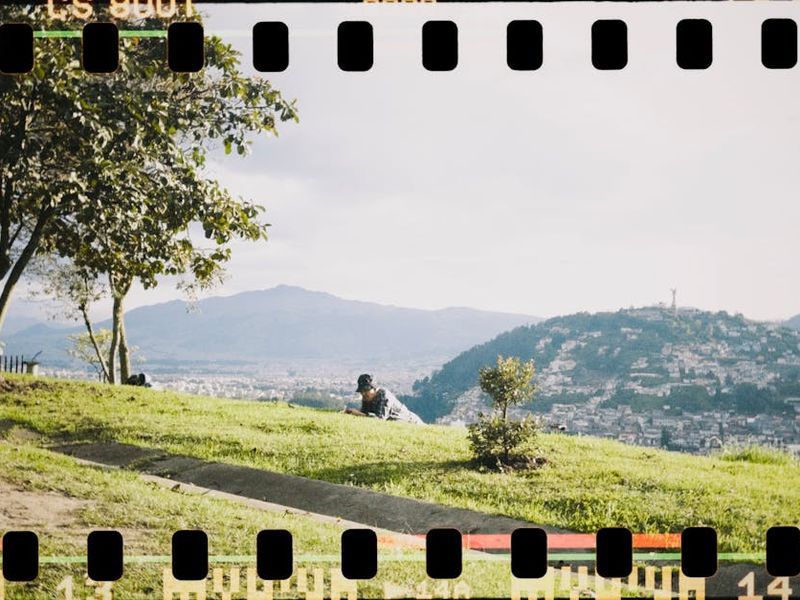
A short ride uphill takes you to Turi, a viewpoint that overlooks the entire city. From here you’ll get a scale-shifting perspective—an excellent reference for cityscapes and tonal studies. Turi also hosts an artisan market where you can find ceramics, woven textiles and woodwork from the Azuay region.
How to get there: taxis or local colectivos run regularly from the central districts. Aim for early morning or late afternoon to catch soft light and avoid the midday haze.
El Cajas National Park: Wilderness Expeditions for Landscape Artists
If your practice thrives on landscapes, El Cajas National Park is a must. Less than an hour from Cuenca, this high-altitude park offers mirror lakes, peat bogs, and windswept hills with dramatic skies—perfect for plein air painting, photography and mixed-media experiments. Plan at least a day trip, but consider multiple visits to study the same scene under different weather conditions.
Practical considerations: the park sits above 3,000 meters, so bring layers, sunscreen and plenty of water. Weather changes rapidly—carry a waterproof pack and sketching gear that can be set up quickly.
Art Museums and Galleries: Where to Study and Exhibit
Museums and galleries in Cuenca are essential for learning local visual language and engaging with fellow creatives. Spend time at places that showcase modern and pre-Columbian works to understand regional aesthetics and motifs. Gallery openings and temporary exhibitions are great networking opportunities where you can meet local curators, artists and collectors.
How to plug in: follow museum and gallery social media, check bulletin boards at cafés in San Blas and Calle Larga, and join local art groups online. Many institutions also host workshops that welcome English speakers or offer translation on request.
Art Schools, Workshops and Community Resources
If you want formal training or structured community, Cuenca has art schools and university programs that host workshops and public lectures. Enrolling in a short course—printmaking, ceramics, or figure drawing—can quickly establish local contacts and provide studio access. Community-run open studios and collective spaces often advertise on local noticeboards and Facebook groups.
Tip: look for classes at local cultural centers and the university’s arts programs. Even if you don’t enroll, contacting instructors can lead to studio visits, shared workspace opportunities, or participation in group exhibitions.
Day Trips to Nearby Artisan Towns: Chordeleg and Gualaceo
Two short day trips expand your material palette: Chordeleg, famed for filigree silver jewelry, and Gualaceo, known for woven textiles and colorful markets. These towns are treasure troves of pattern, technique and craft history. Spending a day there can fill your sketchbook with intricate motifs and spark fresh series based on jewelry design or textile patterns.
Practical tip: visit during market days to see artisans at work. Bring small bills for purchases and ask permission before photographing people working—many artisans appreciate respectful engagement and the chance to explain techniques.
Where to Buy Supplies and Local Materials
While Cuenca is not a mega-hub for art supplies, you’ll find local shops offering quality paints, canvases, papers and brushes. You can also source natural pigments and fibers regionally—indigo-dyed textiles, alpaca and sheep wool, ceramic clays and natural dyes from nearby communities.
- Buy fast-moving supplies in town; for speciality materials, order from larger cities or online ahead of time.
- Explore markets for found materials—metal scraps, textiles and wooden objects make excellent mixed-media elements.
- Consider collaborating with local artisans (weavers, potters, silversmiths) to learn traditional processes and integrate them into your work.
Working Publicly: Selling, Displaying and Legal Considerations
Many artists find success selling work at artisan markets, pop-up shows, cafés or galleries. If you plan to sell regularly, learn the local rules: you may need a simple vendor permit for market stalls, or register as a micro-entrepreneur to issue receipts. Municipal offices can advise on short-term vending permissions.
Practical selling tips: price your work in both USD and local currency, use clear labels with medium and size, and carry lightweight business cards. Tourists and expats often buy small original works, prints or wearable art that travels easily.
Digital and Studio-Friendly Coworking Spots
If you’re a digital artist, illustrator or conceptual artist who needs reliable Wi‑Fi and a calm workspace, Cuenca has cafés and coworking hubs where creatives gather. Choose places with big tables, natural light and quiet corners for focus. Many cafés are concentrated in San Blas and Calle Larga, and some cultural centers offer hourly or daily studio rental.
Pro tip: backup power can be patchy in remote workshops—carry a power bank for tablets and cameras, and keep digital work synced to the cloud daily.
Seasonal Rhythms and Timing Your Visits
Cuenca’s climate is mild year-round, but weather patterns matter for plein air work. Morning light and late afternoon are often best for outdoor sessions; mid-afternoon can bring quick showers, so plan shorter sketches or indoor sessions then. Festival periods and market days pack the streets and provide vibrant human subjects but expect more crowds and less quiet for contemplative work.
Recommendation: aim for multiple short stays rather than one long residency—this helps you experience the city under different light and social rhythms.
Networking: Finding the Local Creative Community
Meeting other artists accelerates learning and opens doors to exhibits, critiques and joint projects. Start by visiting gallery openings, asking at cafés for artist nights, and joining local Facebook groups dedicated to Cuenca’s arts scene. Many expat artists report that a single friendly studio visit leads to months of collaboration.
Tip: bring small portfolio prints or a tablet to show work—people are more likely to remember and invite you to events if they see your practice in person.
Safety, Health and Practical Living Tips for Visiting Artists
Cuenca is generally safe, walkable and predictable, but take common-sense precautions: keep paints and valuables locked in your lodging, avoid leaving gear unattended, and insure shipped artwork. At over 2,500 meters elevation, you may notice mild altitude effects—hydrate, move slowly on hikes and don’t overexert on your first days. Also, carry a plastic bag for wet sketchbooks if the afternoon brings rain.
Sample Week-Long Itineraries for Different Practices
To help you get started, here are compact itineraries tailored to different art approaches.
For the Painter
- Day 1: Sketch Parque Calderón and set up a small oil study.
- Day 2: Plein air session along the Tomebamba in Barranco.
- Day 3: Day trip to El Cajas for large landscape references.
- Day 4: Studio day—develop sketches into canvases.
- Day 5: Visit galleries for local color studies and palette research.
For the Mixed-Media Artist
- Day 1: Collect found objects at markets and riverbanks.
- Day 2: Visit artisan workshops in Chordeleg and Gualaceo for material swaps.
- Day 3: Studio day—experiment with textile collages and silver filigree fragments.
- Day 4: Curate a small pop-up show at a local café or shared space.
Final Thoughts: How to Make Cuenca Part of Your Practice
Cuenca offers a rare combination: compact urban texture, vibrant artisan tradition, and immediate access to dramatic highland landscapes. For expat artists, it’s a place where observation and technique can deepen quickly because the material is rich and the community is accessible. Whether you come for a weeklong study trip, a seasonal residency, or plan to make Cuenca home, bring curiosity, respect for local culture, and a willingness to trade skills with artisans—your work will deepen and your networks will grow.
Above all, let the city do what it does best: present everyday scenes so compelling you will find new motifs to pursue for months afterward. Pack a sketchbook, find a bench, and let the Tomebamba show you a new way of seeing.