
Table of Contents
Why Cuenca Feels Like an Artist’s Playground
Cuenca’s blend of colonial architecture, winding rivers, Andean light and a lively artisan tradition makes it an appealing base for expat artists. The city’s compact historic center, walkable neighborhoods, and easy access to dramatic mountain landscapes encourage daily practice and experimentation. Whether you paint en plein air, sculpt, photograph, or make mixed-media work, Cuenca delivers visual material — and a supportive community — in surprising ways.
Start in the Centro Histórico: Immediate Visual Rewards
The heart of Cuenca, around Parque Calderón and the Catedral, is where many artists begin to collect visual ideas. The cathedral’s blue domes, colonial facades, and the steady stream of vendors and locals create dynamic compositions. Walk along Calle Larga — a pedestrian street lined with galleries, cafes and small shops — to scout subjects and meet gallery owners.
Practical tip: spend mornings here to catch soft light on the cathedral and fewer tourists. If you prefer sketches, sit at a café on Calle Larga with a sketchbook and you’ll quickly accumulate studies of people and architecture.
Río Tomebamba and El Barranco: Water, Color and Intimacy
The Tomebamba river travels through the city with elegant stone bridges and tree-lined promenades. The riverbanks, especially the colorful houses and stairs of El Barranco, offer intimate, painterly scenes — reflections, laundry lines, and riverside cafes.
Practical tip: bring a lightweight easel for quick studies; mornings and late afternoons yield the best reflections. El Barranco’s narrow alleys are ideal for small-format watercolors and urban sketches.
Mirador de Turi and Panoramic Vistas
For sweeping cityscapes, head up to Turi. The viewpoint offers panoramic views of Cuenca’s rooftops, cathedral domes, and the surrounding valley. It’s a favorite for plein air painters and photographers aiming to capture the city’s silhouette against Andean peaks.
Practical tip: the altitude is around 2,800–3,000 meters at some vantage points. Dress in layers and bring sun protection — the mountain sun is strong and can affect paint drying times and your skin.
El Cajas National Park: Lakes, Páramo and Dramatic Light
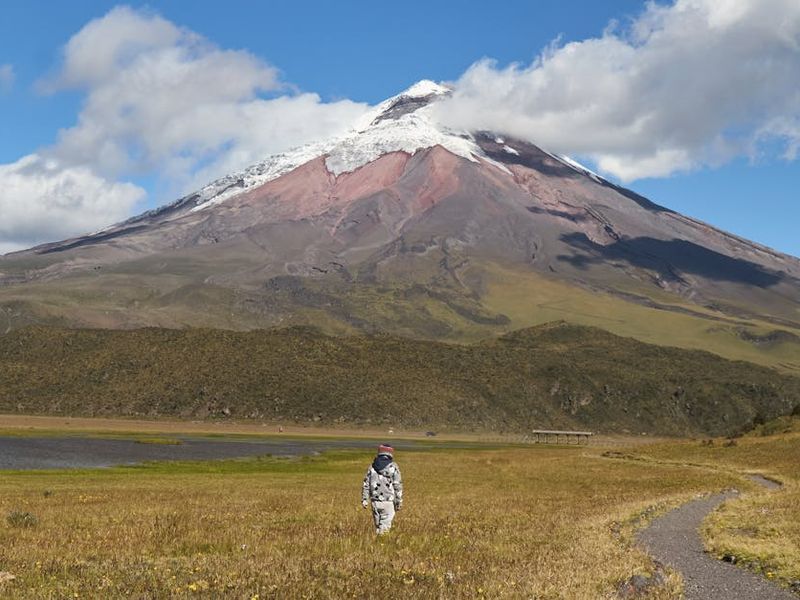
Just 30–50 minutes from Cuenca, El Cajas is a high-altitude mosaic of glacial lakes (lagunas), peat bogs and rolling páramo. This landscape is a dream for landscape painters, photographers and printmakers who want to work with vast horizons, moody skies and shifting weather patterns.
Practical tip: take a day trip or an overnight with warm clothing. The weather changes fast; plan quick sketches or photographic studies to use later in the studio. Pack a small field kit rather than large canvases for comfort and mobility.
Artisan Towns Nearby: Chordeleg and Gualaceo
Day trips to nearby artisan towns are golden for inspiration and materials. Chordeleg is renowned for filigree silver jewelry and delicate metalwork — motifs and textures from there can inform metalsmithing, mixed-media and surface design. Gualaceo is famed for textiles and woven goods; its dyed yarns and patterns are rich sources for color studies and collage elements.
Practical tip: strike up conversations with artisans — many are happy to demonstrate techniques. Consider buying scraps, offcuts or inexpensive pieces you can incorporate into assemblage work or use as study references.
Museums and Sacred Spaces: Deep Cultural Context
Museo Pumapungo is a must for artists interested in pre-Columbian motifs, artifacts and ethnographic displays; the adjacent ruins and recreated indigenous spaces offer layered visual narratives. Museo de las Conceptas (a convent museum) has colonial religious art, altarpieces and textiles that provide centuries-old visual vocabulary. These institutions encourage historical context and can deepen the themes in your work.
Practical tip: visit museums multiple times at different times of day to see changes in light and mood. Take photos (when allowed) for reference and make notes about textures, pigments and iconography.
Galleries, Studios and Creative Hubs
Cuenca’s growing gallery scene is concentrated in and around the historic center. Small contemporary galleries host rotating shows and openings that are great for networking. The Casa de la Cultura (Núcleo del Azuay) hosts workshops, exhibitions and cultural programs — check their calendar regularly for calls to artists and classes.
Practical tip: attend opening nights (vernissages). They’re prime networking moments and usually informal, giving expat artists a chance to meet curators, collectors and fellow creatives.
Finding Studio Space: Options and Costs
Studio alternatives in Cuenca range from shared community studios to private rooms. Many artists start with a small studio in the Centro Histórico or a light-filled room in a neighborhood near the river. Prices vary considerably; you can often find shared workspaces for modest monthly fees, while private studios will cost more depending on size and natural light.
Practical tip: ask at local galleries and cultural centers for bulletin boards advertising studio sublets. Facebook groups and expat forums are also useful for finding subleases or short-term studio arrangements.
Buying Art Supplies in Cuenca
Cuenca has a number of art supply shops selling canvas, brushes, pigments and specialty papers. Local stores stock common brands and materials; for hard-to-find items consider ordering from Quito or Guayaquil or using international retailers that deliver to Ecuador. Also, explore craft stores and sewing shops for unusual materials such as yarns, cords, and natural fibers.
Practical tip: bring a small “starter kit” when you arrive (favorite brushes, paints or papers) to hedge against shortages. For environmentally-conscious artists, naturals and pigments from local markets can inspire eco-friendly processes.
Markets and Selling Opportunities
Cuenca’s artisan markets and street fairs are lively places to sell smaller works, prints, postcards and jewelry. Additionally, galleries and cafés sometimes accept works on consignment. Cultural festivities — city holidays and artisan fairs — are peak times for sales, so plan inventory accordingly.
Practical tip: create a mix of price points: affordable reproductions and small works for tourists, and medium-to-high priced original pieces for collectors. Offer business cards or small QR codes linking to your online shop to facilitate follow-up sales.
Community and Collaboration: How to Connect
Building a local creative network will energize your practice. Look for: weekly life-drawing sessions, printmaking meetups, mixed-media workshops, and the occasional art crawl. The Casa de la Cultura and local galleries usually publish schedules for classes and events — these are ideal starting points.
Practical tip: join local Facebook groups, Meetup events, and expat forums. Volunteering at a gallery or cultural festival is another fast way to meet people and learn how the city’s art ecosystem works.
Language, Legalities and Practicalities
Knowing conversational Spanish opens doors to studios, artisan communities and local markets. While many Menschen in Cuenca speak some English, direct communication in Spanish will deepen relationships. For legal considerations, understand the visa options for long-term residency and whether you’ll need permission to sell art commercially; local expat networks and legal advisors can clarify tax and business registration questions.
Practical tip: take an introductory Spanish class aimed at artists or small-business owners. That vocabulary will pay off when negotiating studio contracts, dealing with suppliers, or explaining your work at shows.
Adapting Your Practice to Cuenca’s Climate and Materials
Cuenca’s highland climate — relatively cool and bright — affects materials. Oil paints may dry faster in strong sunlight; paper can be more brittle in dry seasons. Local materials, like alpaca yarns, plant fibers and hand-dyed textiles, can become signature elements in your work.
Practical tip: test new materials in small studies before committing to large works. Use archival varnishes and proper storage to protect pieces from humidity and dust.
Creative Routines and Daily Inspiration
To thrive creatively, build a routine that balances exploration and studio time. Use mornings for outdoor sketching along the river or in Parque Calderón, and afternoons in the studio to develop larger pieces. Plan weekly excursions — a sunrise at Turi, a market visit, or a weekend in El Cajas — to keep your visual vocabulary fresh.
Practical tip: keep a visual diary — photos, color swatches, small sketches — that you update daily. Over weeks and months, this becomes raw material for series and exhibitions.
Selling Globally from Cuenca
Many expat artists in Cuenca successfully sell internationally using Etsy, Instagram, and personal websites. Shipping logistics from Ecuador require planning: work with reliable couriers, price shipping into your work, and clearly state customs requirements. Alternatively, connect with galleries in Quito or Guayaquil that handle sales and shipping for a commission.
Practical tip: document your work carefully (high-resolution images, dimensions, materials, care instructions). Good documentation increases buyer confidence and simplifies shipping decisions.
Final Thoughts: Make Cuenca Your Creative Home Base
Cuenca rewards curiosity. The city’s combination of architecture, riverine scenes, artisan traditions and nearby Andean landscapes gives artists a rich palette to work from. Whether you’re a painter seeking light and form, a textile artist hunting for color and weave, or a mixed-media maker after unique materials, Cuenca offers both the visual resources and the community to grow your practice.
Practical tip: start small, build local relationships, and plan regular trips beyond the city. Over time, you’ll find the rhythms and spots that inspire your best work — and you might discover unexpected collaborators and collectors along the way.
- Quick checklist for new arrivals: Spanish phrasebook, starter art kit, local SIM card, Casa de la Cultura calendar, map of galleries, list of nearby artisan towns.
- Essentials to bring: favored brushes and paints, portable easel, sketchbooks, a small digital camera, and a travel adaptor for electronics.
- Next steps: Visit Parque Calderón at dawn, sketch by the Tomebamba, explore Calle Larga galleries, and plan a day trip to El Cajas.