
Table of Contents
Why neighborhood choice matters in Cuenca
Cuenca is famous for colonial charm, temperate weather and an affordable lifestyle—yet the city is not one-size-fits-all. Where you live affects your daily rhythm: noise level, walkability, access to English-speaking services, type of housing, and how quickly you’ll meet other expats. This guide highlights neighborhoods where Americans tend to settle, why they’re popular, the tradeoffs to expect, and practical tips to help you choose the right spot.
Quick overview: what American expats usually look for
When U.S. expats pick a neighborhood in Cuenca they commonly look for:
- Proximity to reliable private healthcare and pharmacies
- Walkability to cafes, markets and English-speaking businesses
- Secure buildings or gated communities
- Housing options ranging from renovated colonial flats to modern condos with elevators
- Reasonable commute to the city center, airport, and supermarkets
Those priorities shape why certain districts attract more Americans than others.
Historic Center (El Centro): culture, convenience and noise
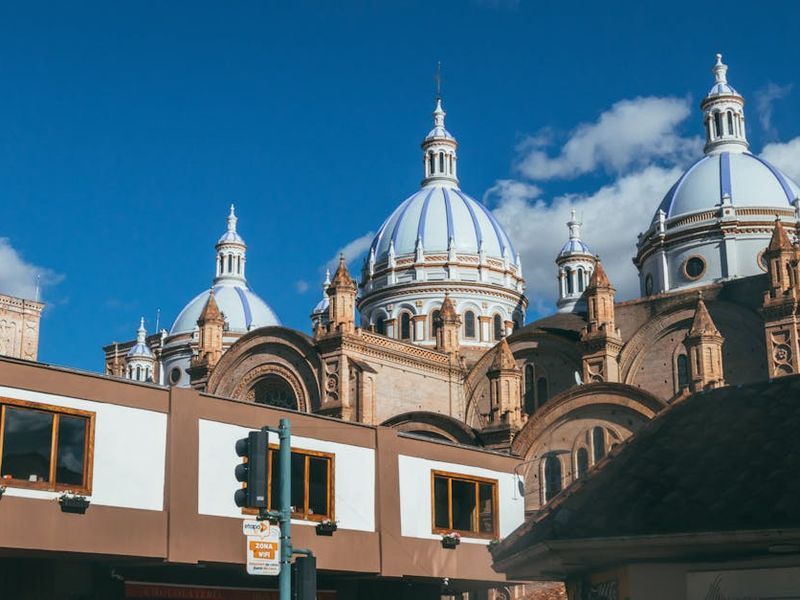
The Historic Center around Parque Calderón is magnetic: museums, churches, markets and cobblestone streets are just outside your door. Many Americans love living here for the daily access to cultural events, restaurants, and the simple joy of walking everywhere.
Pros: Exceptional walkability, charming colonial apartments with high ceilings and interior patios, countless cafes and weekend markets. It’s also the easiest place to make local and expat friends because so many social activities happen here.
Cons: Cobblestones and narrow streets mean less street parking and more noise from tourism. Some old buildings lack elevators or modern insulation; winters are cool and damp in older constructions. Rent for a nicely renovated colonial apartment is often slightly higher than peripheral neighborhoods because of the location.
Best for: Americans who want cultural immersion, walking access to everything, and a social urban life.
San Sebastián and La Tola: historic charm with quieter pockets
Just south of the main square, San Sebastián and La Tola combine historic streets with a calmer pace than the very center. These neighborhoods still offer colonial architecture but with a few more quiet streets and neighborhood parks.
Pros: Close enough to the center for short walks but often quieter at night. You’ll find small markets, family-owned bakeries, and community parks. Many mid-sized apartments and fewer heavy tourist crowds.
Cons: Some streets are steep and uneven; older housing can require updates. If you prefer modern amenities like in-unit laundry or parking, you may need to look for renovated properties or new condos.
Best for: Those who want quick access to El Centro but prefer a quieter neighborhood feel.
El Batán and the Mall/Clinic Corridor: modern condos and healthcare access
El Batán—extending toward the newer commercial corridor and larger shopping centers—is a magnet for expats who want modern conveniences. This area hosts several private clinics, dental offices, and chest of medical services that many non-Spanish speakers find reassuring.
Pros: Newer apartment buildings and gated communities with elevators, secure parking, and modern amenities. Close to supermarkets, shopping malls, cinemas, and private medical clinics. Streets are wider and driving is easier.
Cons: Less of the traditional colonial atmosphere. If you value walkability for a cafe every few blocks, you may prefer central neighborhoods. Noise from arterial roads can be an issue in some pockets.
Best for: Americans prioritizing modern living spaces and easy access to private healthcare.
Yanuncay/Ordoñez Lasso corridor: suburban convenience with green spaces
The Yanuncay river valley and the Ordoñez Lasso corridor offer a suburban layout with parks, bike paths, and new residential developments. This area has seen steady growth of modern condos and amenity-driven complexes that appeal to families and retirees.
Pros: Larger apartments and houses with gardens are more affordable than downtown equivalents. Proximity to outdoor greenways and recreational areas. Many new developments include community gyms, rooftop terraces, and 24/7 security.
Cons: Commuting to the historic center can take longer during peak hours; public transport connections are improving but not yet as dense as downtown. Some residents prefer a car here.
Best for: Expats who want more space, pet-friendly yards, and modern community amenities.
Ricaurte/Totoracocha: convenient and increasingly popular
Areas around Ricaurte and Totoracocha (south of the city center) sit along major transport routes and offer a blend of older homes and newer condos. It’s an appealing compromise between proximity to downtown and suburban comfort.
Pros: Reasonably priced rentals and purchases, access to several supermarkets, and quick drives to the airport. The neighborhood has a mix of long-term local families and newcomers, offering a balanced community feel.
Cons: Some parts are more industrial or car-centric. Street lighting and sidewalks vary block to block. Do a walk-through at different times of day to judge noise and foot traffic.
Best for: People looking for practical value and quick airport access without the bustle of the historic center.
Challuabamba and rural fringe: country life close to the city
If your idea of living well in Cuenca includes a garden, chickens, and mountain views, the semi-rural towns just outside the city—like Challuabamba—offer that lifestyle within a 20–40 minute drive. Many Americans buy houses here for space and tranquility while staying connected to Cuenca’s services.
Pros: Lower land prices, larger lots, panoramic views, and quieter nights. Ideal for gardeners and pets. You’ll find new construction that blends modern comforts with rural charm.
Cons: Dependence on a car, fewer walkable amenities, and potentially longer commutes to specialty medical care or cultural events. Internet service is generally good but check providers for specific properties.
Best for: Those prioritizing privacy, outdoor space, and a slower pace while remaining within reach of city amenities.
Practical tips for choosing and settling into a neighborhood
Choosing your neighborhood goes beyond rent and pretty streets. Here are practical steps to make the right decision:
- Stay short-term first: Rent an Airbnb or short lease for a month while you explore—Cuenca neighborhoods can feel different at night versus daytime.
- Test commutes: Time your trip to the grocery store, hospital and favorite cafe during peak hours to see actual travel time.
- Check building security: Look for gated entries, security guards, good lighting, and solid doors—petty theft tends to concentrate where security is lax.
- Inspect internet and utilities: Ask providers about average speeds and whether back-up power is available—some buildings include generators.
- Meet neighbors and expat groups: Facebook communities, MeetUp events, and local English churches are great for local insight and immediate social connections.
Money matters: rents, buying, and ongoing costs
Cuenca remains affordable compared to many U.S. cities, but prices vary by neighborhood. As a rough guide: modest apartments in peripheral neighborhoods may rent from $350–600/month, mid-range renovated units in central or popular areas often run $600–1,200/month, and newer luxury condos or houses can be $1,200+. Purchase prices likewise vary widely.
When renting, ask whether utilities and internet are included. For buying, hire a bilingual attorney and use a trusted real estate agent—Ecuadorian property law requires careful title checks and notarized contracts. Many Americans choose to obtain legal and financial advice before making a purchase.
Healthcare, language and community support
Healthcare is a major factor for where expats live. Neighborhoods near private clinics and multilingual doctors—such as the hospital/clinic corridor near El Batán—are especially attractive. The large public hospital, Vicente Corral Moscoso, is centrally located and well-regarded for emergencies.
Language matters: while many younger doctors and clinic staff speak some English in popular expat areas, Spanish will always help. Consider short-term language schools or private tutors; many neighborhoods have local language schools or tutors who will come to your home.
Community support makes settling easier. Look for neighborhood social centers, weekly farmers’ markets, and expat meet-ups. In each neighborhood you’ll find at least one cafe or restaurant popular with English-speakers where new arrivals can meet long-term residents.
Safety and daily life: culture, noise and local norms
Cuenca is generally safe compared to many Latin American cities, but petty crime—pickpocketing, bag snatching—does occur, especially in tourist-heavy areas. Choose a neighborhood with secure locks, consider a doorbell camera or intercom, and educate yourself on common scams.
Noise levels vary: the historic center hums with tourists and festivals, while suburban areas get traffic noise. Remember cultural rhythms: shops close for mid-day breaks in some neighborhoods, and local fiestas can add evenings of music and fireworks.
Transportation options by neighborhood
Cuenca’s cheap taxis and a growing fleet of ride-hailing apps make it easy to live without a car—especially in central neighborhoods. If you prefer to drive, neighborhoods with wider streets and easier parking (El Batán, Yanuncay) are better choices. Public buses are the most economical option but can be crowded and less convenient if you need multiple transfers.
How to make your final decision
Start by ranking your priorities: healthcare access, cultural life, greenspace, or modern comforts. Spend time in 3–4 neighborhoods, explore them at different times of day, and talk to current residents—especially other Americans—for a straight perspective. Use a temporary rental as a launchpad; many expats find their permanent neighborhood only after a few weeks of living in the city.
Final thoughts: neighborhoods that fit your lifestyle
Cuenca offers neighborhoods to suit every American expat: the historic center for culture and community, San Sebastián for quieter charm, El Batán for modern conveniences and healthcare access, Yanuncay for suburban space, and Challuabamba for country living close to the city. Each has pros and cons—what matters most is matching the neighborhood to your daily life, health needs, and social goals.
With a little exploration and the practical steps above, you can find a neighborhood in Cuenca that feels like home—one with friendly neighbors, reliable services, and the relaxed Ecuadorian pace that draws so many Americans here in the first place.
Quick checklist before you move
- Book a short-term rental first and schedule viewings in several neighborhoods.
- Inspect internet speed, security, and water/electric reliability.
- Verify proximity to your chosen clinic or hospital.
- Meet neighbors and visit neighborhood markets and parks.
- Learn basic Spanish phrases and locate an interpreter or bilingual clinic for emergencies.
Welcome to Cuenca—choose well, and you’ll find a neighborhood that not only supports your day-to-day needs but becomes the backdrop for a rich, comfortable expat life.