
Table of Contents
Why Cuenca attracts American expats—and how neighborhoods matter
Cuenca’s reputation as an expat haven isn’t an accident. With its mild, spring-like climate, colonial architecture, friendly services, and a relatively low cost of living, it draws Americans who want comfort without the crowds of larger cities. But Cuenca is more than one feel-good stereotype: each barrio has its own pace and perks. Choosing the right neighborhood means balancing walkability, healthcare access, nightlife, green space, and housing costs.
Three things to think about before choosing a barrio
Before diving into neighborhood profiles, consider three practical priorities that shape the right fit for you:
- Daily routines: Do you want to walk to cafes, supermarkets, clinics, and produce markets, or are you okay with short taxi rides?
- Noise and nightlife: Some areas hum with tourism and evening activity; others are quiet and family-oriented.
- Health and services: Proximity to private clinics, international pharmacies, and English-speaking professionals is crucial for many expats.
Neighborhood snapshots: where Americans tend to land
Below are neighborhoods that consistently appear on expat wish lists, with details on what makes each one attractive—plus realistic tips about costs, transit, and lifestyle.
1) Historic Center (Centro Histórico)
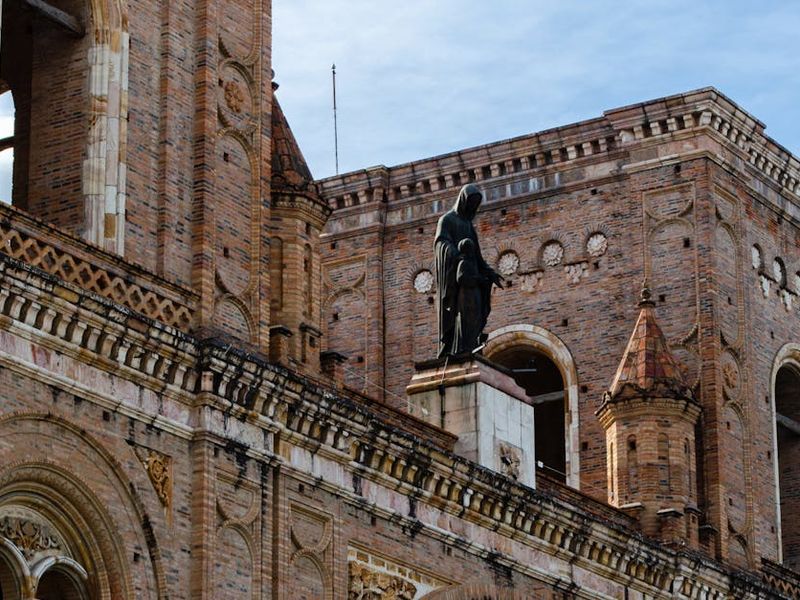
The Historic Center is the postcard Cuenca: red-tiled roofs, cobblestone streets, churches, riverside promenades, and the grand cathedral at Parque Calderón. Americans love Centro for walkability and being in the daily flow of the city—cafés, restaurants, artisan shops, and cultural events are literally outside your door.
Practicalities: Apartments here range from charming older renovations to modernized condos. Expect higher rents than the city average because of location, but many find it worth it for the convenience. Noise and tourist traffic can be a factor, especially near main plazas. If you crave nightlife and street life, Centro delivers; if you need quiet, aim for side streets or upper-floor units that face courtyards.
2) San Sebastián
Just a short walk south of the cathedral, San Sebastián blends authentic local life with expat-friendly amenities. This neighborhood offers a mix of apartments and two-story homes, with a strong community vibe and proximity to universities and local markets.
San Sebastián is a favorite for those who want a bit more neighborhood feeling while still being close to the center. It’s particularly popular with Americans who appreciate seeing daily Ecuadorian life—vendors, plazas, and family-owned shops—without sacrificing access to restaurants and medical services.
3) El Vergel
El Vergel sits north of the Tomebamba River and is known for a quieter residential feel and mid-range housing options. Streets are tree-lined and many properties have small gardens. It’s a practical choice for families and those prioritizing peace without being far from downtown.
Key benefits include slightly lower rents than Centro and a good selection of neighborhood groceries and eateries. For daily errands you’ll often rely on short taxi rides or local buses, though many parts of El Vergel are within a comfortable bike or walk of the riverwalk.
4) El Batán and Ordoñez Lasso areas
These adjacent neighborhoods are a short drive from the Historic Center and have become attractive to expats who prefer modern apartment buildings, gated communities, and reliable infrastructure. You’ll find supermarkets, banks, and modern clinics within easy reach.
El Batán is especially convenient if you want rapid access to private healthcare and international-style amenities. Apartment complexes with amenities like secure parking, elevators, and backup water systems are common here—features that appeal to Americans used to those conveniences.
5) Turi (the hills and viewpoints)
Turi is famous for its panoramic vantage point over Cuenca. If a view and a quieter, hilltop lifestyle matter to you, Turi offers a different pace. Homes here are often single-family houses and some rentals come with terraces and gardens that overlook the city.
Consider Turi if you have a car or don’t mind longer taxi rides into downtown. It’s a popular weekend escape for locals and expats who want a suburban feel while still being connected to the city’s services.
6) Miraflores and newer residential districts
Miraflores and neighboring modern districts are newer development areas with planned streets, apartment towers, and shopping centers. These neighborhoods attract families and professional couples who prioritize schools, green space, and newer construction standards.
You’ll find international-style supermarkets (like Supermaxi and Tía), gyms, and chain restaurants more concentrated here. If you appreciate predictable infrastructure—consistent water pressure, high-speed internet options, and modern wiring—this is a smart place to look.
How costs roughly compare across neighborhoods
Rents in Cuenca vary widely by neighborhood, building quality, and furnishings. As a frame of reference:
- Studio / small one-bedroom near Centro: typically mid-range, higher than farther suburbs.
- One-bedroom in residential areas like El Vergel or El Batán: often more affordable than Centro and with more space.
- Two- and three-bedroom homes in Miraflores or Turi: greater space for the price, especially for families.
Utilities are generally affordable—expect modest monthly costs for electricity, gas, and water. Internet packages with decent speeds are available citywide for reasonable prices. Always ask landlords about what’s included in the rent and whether hot water is provided by gas heater or electric boiler.
Health, safety, and essential services by neighborhood
Healthcare is a top priority for many American expats. Cuenca has reputable private clinics and specialists; areas like El Batán and parts of Miraflores are closer to well-known private clinics and diagnostic centers. Centro and San Sebastián have easy taxi access to medical services.
Cuenca is generally considered safe compared to many large cities, but petty theft happens. Tips: choose buildings with secure entrances, avoid displaying valuables while walking, and get to know local neighbors and shopkeepers. In more residential barrios, community networks are strong and helpful.
Transit and walkability: what to expect
Cuenca’s compact center makes walking the best form of daily transit in Barrio Centro and nearby neighborhoods. If you live in Centro, San Sebastián, or sections of El Vergel, you can walk to groceries, banks, and restaurants. For areas like Turi and some newer suburbs, expect regular taxi rides; taxis are inexpensive and abundant.
The city also has an affordable bus system that serves most barrios—useful for short commutes. Many expats combine walking with taxis for night travel or when carrying groceries. Bikes are increasingly popular for short trips along the riverwalks.
Tips for finding and renting in American-friendly neighborhoods
Finding the right apartment in Cuenca is easier if you approach the search methodically. Here are practical steps used by many Americans:
- Start with short-term rentals (Airbnb or monthly furnished apartments) to test neighborhoods before signing a long-term lease.
- Work with bilingual real estate agents who know expat needs and can explain lease terms, deposits, and utilities.
- Inspect for insulation, hot water, internet availability, and backup water supply—these matter more than you think.
- Ask about monthly utility averages and whether the rent includes any bills (water, building maintenance, trash collection).
- Negotiate: many landlords are open to modest rent adjustments for longer leases or prompt payment.
Social life and community—where Americans plug in
Meeting people is easier in neighborhoods that host coffee shops, language exchange nights, and cultural events. Centro and San Sebastián are hotspots for cafes and community gatherings, while Miraflores and parts of El Batán often have family-friendly social scenes with gyms and community centers.
Look for expat meetups, English-language churches, and international groups on social media. Volunteering and language exchange events are great ways to make local friends and practice Spanish. Many Americans say their social lives grow quickly once they join a few regular activities.
Buying property: neighborhood considerations for long-term plans
If you’re thinking of buying, neighborhoods with stable demand and good services are generally safer investments—central areas, Miraflores, and established residential districts. Work with a bilingual attorney and a trusted realtor. Check zoning rules, property taxes, and building permits. Americans buying property often prioritize closeness to clinics, consistent water supply, and legal clarity about title and ownership.
Final checklist to pick the right Cuenca neighborhood
Before deciding, use this short checklist to guide your choice:
- Walk the neighborhood at different times of day—listen for noise, check lighting, and see who’s about.
- Test commute times to the places you’ll use most: clinic, market, friends’ houses, or work.
- Confirm internet speed and reliability in any building you consider.
- Ask around about water pressure and hot water—these are common practical concerns.
- Look into parking or secure storage if you have a car or plan to buy one.
Conclusion: matching lifestyle to barrio
There’s no single “best” American-friendly neighborhood in Cuenca—there’s only the best fit for your priorities. Choose Centro Histórico for immediacy and culture; San Sebastián for local flavor and community; El Vergel for quiet residential life close to the river; El Batán and Miraflores for modern services and convenience; and Turi for views and a hillside lifestyle. Use short-term rentals to test neighborhoods, rely on bilingual professionals when signing contracts, and prioritize access to healthcare and daily services. With a little research and a few test runs, you’ll find the Cuenca barrio that feels most like home.
Ready to start looking? Walk a few blocks in each of these neighborhoods, chat with local cafe owners, and pay attention to how each area makes you feel—comfort, convenience, and community will tell you where to unpack your boxes.