
Table of Contents
Why Cuenca Appeals to American Expats
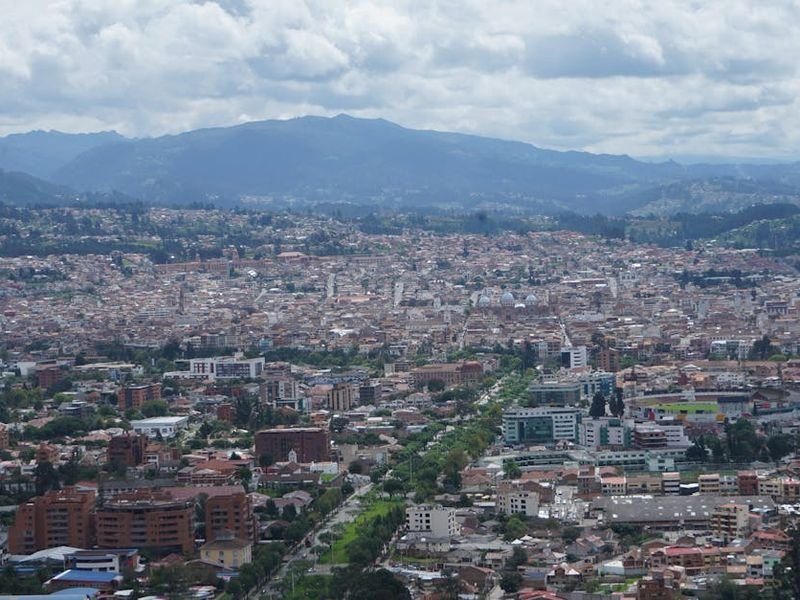
Cuenca, Ecuador’s UNESCO-listed colonial jewel, draws Americans for a mix of predictable weather, walkable streets, affordable healthcare, and a relaxed pace of life. The city’s rivers, plazas, and red-tile roofs create an attractive backdrop for retirees, remote workers, and families. But ‘‘moving to Cuenca’’ means choosing the right neighborhood: each barrio brings different daily rhythms, housing options, services, and levels of expat presence.
How to Choose a Neighborhood: Practical Criteria
Before listing neighborhoods, consider these handy filters that most Americans use:
- Proximity to medical care: Easy access to clinics and hospitals is a must for retirees and anyone with chronic conditions.
- Walkability and safety: Cobblestone streets, plazas, and well-lit blocks make life easier without owning a car.
- International conveniences: Nearby supermarkets, banks, English-speaking services, and reliable internet.
- Noise and nightlife: Do you want to be in the middle of cultural buzz or in a quiet residential pocket?
- Housing style: Colonial flats, modern apartments, or single-family homes with gardens and parking?
1. Historic Center (El Centro) — Heart of Cuenca
Why expats love it: Living in the Historic Center places you steps away from Parque Calderón, cathedrals, markets, museums, and a dense concentration of restaurants and cafes. The area is highly walkable, with a developed tourist and expat infrastructure that includes language schools, travel agencies, and concierge services.
Housing & lifestyle: Options range from restored colonial apartments with high ceilings and large windows to newer condominium conversions. Expect charming quirks like steep staircases and thick adobe walls. Many properties come fully furnished, a plus for short-term arrivals.
Practical tips: While central, El Centro can be noisy during festivals and markets. Parking is limited, and some streets are pedestrian-only. If you value living in the thick of it—culture, cafés, and nightlife—this is the place.
2. San Sebastián — Colonial Charm with a Quiet Side
Why expats love it: San Sebastián blends colonial architecture with a slightly more residential feel than the immediate Centro. It’s within walking distance of the main plaza but tends to be quieter at night and has a closer-knit neighborhood vibe.
Housing & lifestyle: Many restored homes and small apartment buildings offer private patios and terraces. This neighborhood is a favorite for those who want colonial character without constant tourist foot traffic.
Practical tips: Narrow streets and old buildings mean stairs are common. San Sebastián also has several local artisans, bakeries, and neighborhood markets—great for those who enjoy daily shopping and connecting with neighbors.
3. Yanuncay & the Río Areas — Greener, Newer, and More Residential
Why expats love it: Areas along the Yanuncay River and the city’s northeastern stretch attract families and residents seeking more modern housing and green spaces. The vibe is more neighborhood-oriented rather than tourist-driven.
Housing & lifestyle: You’ll find newer apartment complexes, gated communities, and homes with small gardens. Streets are wider, parking is easier, and many properties include elevators and secure parking—appealing to those downsizing or seeking comfort.
Practical tips: This is a good choice for caregivers or those prioritizing proximity to schools and larger supermarkets. Public transport connections are good, but many residents rely on taxis or private vehicles for convenience.
4. Bellavista & El Vergel — Hillside Views and Quiet Streets
Why expats love it: These neighborhoods sit on gentle hills, offering panoramic views of the city and surrounding Andes peaks. The atmosphere is residential and peaceful—ideal for retirees and those who prefer a quieter daily routine.
Housing & lifestyle: Expect single-family homes, duplexes, and low-rise condos. Many properties have terraces or small gardens and some newer constructions include modern amenities like backup generators and gated security.
Practical tips: Bellavista’s elevation means cooler nights and beautiful sunrise views. Walking down to Centro is possible for the energetic, but many residents prefer short taxi rides. Utility access and internet are generally reliable here.
5. Totoracocha & Sauces — Riverside Convenience
Why expats love it: These neighborhoods, near the Tomebamba River and green corridors, are favored by expats who like being near water, parks, and easy walking paths. The area mixes traditional homes with newer apartment buildings.
Housing & lifestyle: Riverfront promenades, coffee shops, and small art galleries create a mellow cultural ambiance. The combination of park access and local markets makes everyday life pleasant and practical.
Practical tips: Choose this area if you enjoy morning walks along the river and want a neighborhood that balances calm residential life with easy access to central amenities.
6. Suburban Options: Miraflores and Surrounding Communities
Why expats love it: If you seek larger yards, single-level homes, or gated community living, Cuenca’s suburbs provide family-friendly alternatives. Miraflores (a short drive from the city center) and similar communities offer quieter streets, larger houses, and a more suburban school scene.
Housing & lifestyle: Look for properties with ample parking, private gardens, and often more modern layouts designed for car use. Some suburbs host international schools and shopping centers geared toward expatriate families.
Practical tips: Suburban life typically requires a car or reliance on private transport. For those who prefer space, private gardens, and a quieter setting, the trade-off in commute is worth it.
Typical Costs & What to Expect
Housing costs in Cuenca vary widely by neighborhood and property type. As a rough guide:
- Studio/1-bedroom apartments in central areas: expect a range that often fits modest budgets.
- 2-3 bedroom apartments in desirable neighborhoods (Yanuncay, Bellavista): higher rents but modern amenities.
- Single-family homes and gated communities: typically pricier, especially if they include gardens, parking, and security.
Always ask whether utilities (water, electricity), internet, and building fees are included in quoted rents. Many landlords quote prices in U.S. dollars, which is convenient for American expats since Ecuador uses the dollar as its currency.
Healthcare, Safety, and Practical Services
One of Cuenca’s strongest draws is accessible, high-quality healthcare. Most of the neighborhoods listed offer reasonable proximity to private clinics and public hospitals. Pharmacies are plentiful, and English-speaking medical staff can be found in larger clinics.
In terms of safety, Cuenca is considered relatively safe by Latin American standards, but petty theft can occur—common-sense precautions like not showing valuables, using safe transportation at night, and choosing gated buildings with security are useful. Neighborhood lighting, pedestrian paths, and community vigilance vary by area, so pay attention during viewings.
Transportation: Getting Around Cuenca
Cuenca’s compact center is highly walkable, especially for Centro, San Sebastián, and Totoracocha. For other neighborhoods, taxis are inexpensive and plentiful. The city has a public bus system for budget travel, and ride-hailing apps operate in Cuenca as well. If you plan to use a car, consider parking availability—central areas have limited on-street parking while suburban homes usually include private parking.
Practical Tips for Renting and Settling In
- Short-term first: Rent a furnished apartment for the first month to scout neighborhoods in person.
- Read leases carefully: Ask about deposit amounts, who pays for building maintenance, and the duration and renewal terms.
- Internet and mobile providers: Check providers like Claro or local ISPs for speeds in your chosen barrio—connectivity varies by building.
- Utilities: Water pressure and hot water can vary—confirm whether your building has a hot-water tank or relies on solar/electric systems.
- Language: Learning basic Spanish opens doors—many locals appreciate simple greetings and transactional phrases even in expat-heavy zones.
- Banking and services: Major banks and international ATMs are concentrated in central neighborhoods; plan ahead if you’ll be living in the suburbs.
Where to Meet Other Americans and Expat Communities
Look for expat meetups, language exchanges, international church groups, and clubs that host regular events in cafes and community centers. Many expats congregate at neighborhood cafés, farmers’ markets, and cultural events in the Historic Center. Joining local Facebook groups and community forums is a fast way to learn about neighborhood happenings, housing leads, and recommendations for English-speaking professionals.
Final Checklist: Choose the Right Barrio for Your Lifestyle
Use this simple checklist when evaluating neighborhoods in Cuenca:
- How close are essential services (healthcare, grocery, banks)?
- Is the neighborhood walkable and well-lit at night?
- Are there housing options that match your mobility needs (elevators, few stairs)?
- Do you prefer the bustle of Centro or a quieter hilltop view?
- How will you commute to appointments, social activities, or weekend travel?
Every American moving to Cuenca finds a slightly different ‘‘best’’ neighborhood depending on priorities. Whether you crave colonial charm, a riverside stroll, suburban space, or modern conveniences, Cuenca’s neighborhoods offer a range of choices. The smartest approach is to try before you buy: rent short-term, live like a local for a month or two, and let daily routines and practical needs point you toward the perfect barrio.
Quick Resources to Start Your Neighborhood Search
Begin with online listings, local Facebook groups for expats in Cuenca, and short-term vacation rentals to test neighborhoods. Then arrange in-person viewings during the daytime and the evening to get a full picture of life in each barrio. With a bit of fieldwork and the checklist above, you’ll find a neighborhood that fits both your budget and your vision for life in this enchanting Andean city.