
Table of Contents
Why timing matters in Cuenca
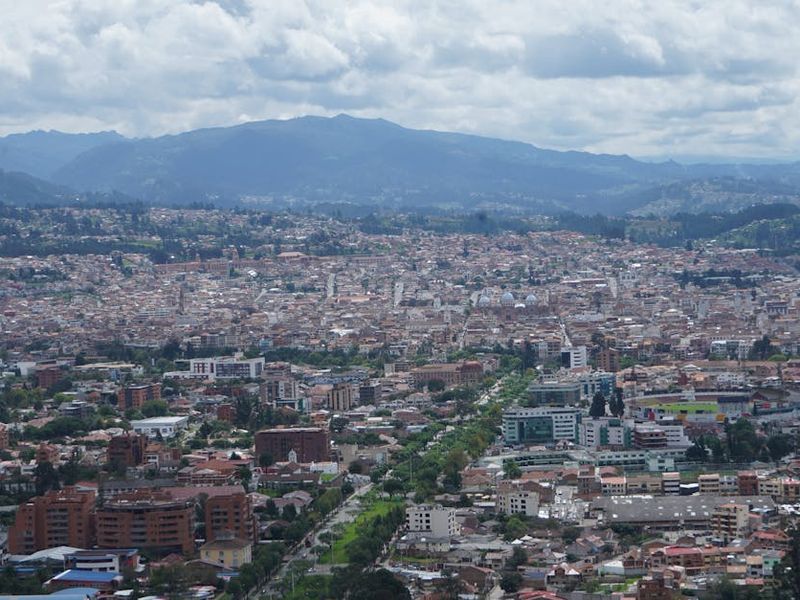
Cuenca, perched at about 2,560 meters (8,400 ft) in Ecuador’s southern highlands, is a city where colonial plazas, Andean landscapes and microclimates collide. When you visit affects everything: the weather you’ll experience, how green the countryside looks, which festivals are happening, hotel and flight prices, and what day trips are accessible. Understanding the rhythms of Cuenca and the surrounding Azuay province helps you pack smarter, plan better, and get the most out of your trip.
Cuenca’s climate at a glance
Unlike temperate climates with four clear seasons, Cuenca has two broad weather periods driven by the Andean wet and dry cycles. Expect cool mornings and evenings year-round, with daytime temperatures typically ranging from about 12°C to 22°C (54–72°F). The altitude means bright sun and a strong UV index even on cloudy days, while temperatures can drop noticeably after sunset.
Dry season (June–September)
June through September are generally the driest months. Skies are often clearer, making this the most popular time for outdoor activities like hiking in El Cajas National Park, photographing the city’s blue-domed cathedral, or taking a day trip to Chordeleg and Gualaceo. Expect sunny days, crisp air and cooler nights; bring a warm layer for evenings. Because this is high season, prices for hotels and tours may be higher and key attractions busier.
Wet season (October–May)
The rainy season stretches roughly from October to May, with the heaviest rains usually from March to May. Showers can be intense but often short-lived—late afternoon downpours give way to clear skies. The landscape is lushest during these months, waterfalls are at their fullest, and mountain lakes like those in Cajas look spectacular. Rainy season travel usually means fewer tourists and better bargains on accommodations, but pack waterproof gear and plan some flexibility into outdoor plans.
Month-by-month planning tips
Breaking the year into months helps you match the city’s tempo to your travel goals.
- January–February: Warm, often wet days. Carnival (Feb/March depending on the calendar) is celebrated nationwide with splashing, parades and colorful street events; Cuenca joins in local ways. Good for culture seekers who don’t mind a chance of rain.
- March–April: Peak rainy period in many years—expect frequent showers but fewer tourists. Semana Santa (Holy Week) has religious processions and special masses; this is an evocative time for those interested in local traditions.
- May: Transitional. Still green and often wet, but days start earning more sunshine toward the end of the month.
- June–August: The clearest months and the busiest. Ideal for outdoor adventures and photography. Nights are chillier—bring a warm jacket. Book accommodations early.
- September: Often the most reliably sunny and mild month; shoulder-season advantages include thinner crowds than June–August but similarly good weather.
- October–November: Rain returns, though November often includes several sunny spells. November 3rd, Cuenca’s Independence Day, features parades and local festivities—an energetic time to be in town but expect crowds for events.
- December: Rainy but festive—holiday lights and markets appear, and restaurants bustle. Expect variable weather but plenty of cultural activity.
Best times by travel style
Your ideal time to visit Cuenca depends on what you want to do. Here are practical recommendations by traveler type.
Photographers and outdoors lovers
Late June through September is the most dependable for clear skies, crisp views and golden-hour light. Hikes in El Cajas, sunrise at Mirador Turi and river-side shots along the Tomebamba are more likely to be unobstructed by clouds. If you don’t mind dramatic skies, visit during the rainy season when storm clouds, mist and lush greens can create moody, atmospheric images.
Cultural travelers and slow travelers
If festivals and local life are your priority, arrive around major dates like Semana Santa (March/April), Carnival (Feb/March), or Independence Day (November 3). For a quieter, more local experience, the rainy months provide fewer tourists and more authentic daily life in neighborhoods like El Centro, San Sebastián and El Barranco.
Budget travelers
Travel during the wet season (especially March–May and October) to take advantage of lower rates for hotels and tours. Airfares may also dip in shoulder months. Just be flexible with outdoor plans and expect some wet weather.
Must-bring items for any season
Cuenca’s variable weather makes it essential to pack with layers and be prepared for sun, wind and rain.
- Layering pieces: thermal base layers, a fleece or lightweight sweater, and a packable down or insulated jacket for chilly nights.
- Waterproof shell or compact rain jacket and a small travel umbrella for sudden showers.
- Sturdy walking shoes with good traction; consider waterproof options if you plan on hiking in Cajas or exploring muddy trails.
- High-SPF sunscreen and a wide-brim hat—the UV at 2,500 meters is strong even on cool days.
- Reusable water bottle, altitude-friendly snacks and any personal medications. Many visitors find hydration helps with mild altitude effects.
- Universal adapter if you’re coming from Europe—Ecuador uses 110V with North American-style outlets (types A/B).
Altitude considerations
At roughly 2,560 m, Cuenca is high enough to affect some travelers. Most people adapt quickly, but expect mild symptoms like headache, shortness of breath when climbing stairs, or disrupted sleep for the first 24–48 hours. Practical steps:
- Give yourself a relaxed first day—avoid strenuous hikes or heavy luggage hauling right away.
- Hydrate before and during arrival; limit alcohol the first 24 hours.
- If you have a history of altitude sickness, consult a doctor before travel—acetazolamide may be recommended in rare cases.
- Local remedies like coca tea are sometimes offered in rural areas—Ecuadorians commonly use it for mild relief, but check your country’s laws if you plan to take any home.
What to do in Cuenca by season
Cuenca’s attractions are open year-round, but the experience can change by season.
Dry-season highlights
Take full advantage of hiking in El Cajas National Park with clear vistas over highland lakes. Go for day trips to the artisan towns of Chordeleg (jewelry and silver) and Gualaceo (textiles), or try a bike ride down peaceful country roads. Rooftop cafes and riverwalks are lively, and photography opportunities at Parque Calderón and the blue-domed New Cathedral are plentiful.
Wet-season highlights
Birdwatching and waterfall visits are spectacular in the rainy months—look for flash colors and blooming wildflowers in roadside fields. Cultural events and religious processions feel more intimate without tour groups. Museum visits (Museo Pumapungo, the Banco Central museum) are ideal rain-day alternatives.
Day trips and accessibility tips
Cuenca is an excellent base for exploring the southern highlands. Popular day trips are feasible year-round but conditions vary.
- El Cajas National Park: Altitude ranges from 3,100 to 4,450 m—bring warm layers. Trails can get muddy in the rainy season; a vehicle with good tires is useful for rough roads.
- Chordeleg and Gualaceo: Short, scenic bus rides east of Cuenca where artisans sell silver filigree, hats and woven goods. Markets are busy on weekends.
- Ingapirca ruins: The largest Inca archaeological site in Ecuador is a longer day trip (about 1.5–2 hours by car). Rain can make stone steps slippery—wear proper shoes.
- Ruta de las Cascadas: Waterfalls near Cuenca are most impressive after heavy rains, but trails can be slick—go with a guide if you’re uncertain.
Practical travel advice
To make your visit smoother, keep a few on-the-ground tips in mind.
- Currency: Ecuador uses the US dollar, so no currency conversion hassles if you’re coming from the U.S. Have small bills for taxis and tips; many small vendors prefer cash.
- Language: Spanish is dominant; learn basic phrases or use a translation app. Younger people and tourism workers often speak some English.
- Safety: Cuenca is considered one of Ecuador’s safer cities, but normal precautions apply—watch belongings in crowded markets and avoid poorly lit areas late at night.
- Water: Many expats drink tap water after a short acclimatization period, but if you prefer caution, buy filtered or bottled water when you arrive.
- Booking: For travel during June–August and around November events, book accommodations and tours early to secure the best choices.
Final recommendations: pick the season that fits you
Choose June–September if you want the most predictable hiking weather, crisp views and active outdoor life. Opt for the rainy months (October–May) if you prefer fewer crowds, lush green scenery and better hotel deals—just pack rain gear and keep plans flexible. Time your trip to coincide with Carnival, Semana Santa or Independence Day if you want lively cultural experiences, but expect busier streets and sold-out reservations during these periods.
Whichever season you choose, Cuenca’s mix of colonial charm, friendly neighborhoods, and spectacular highland landscapes makes it a rewarding destination year-round. With a few smart packing choices and an eye on the monthly weather patterns, you can enjoy everything this UNESCO-listed city and its surrounding countryside have to offer.
Quick checklist before you leave
- Check the forecast for Cuenca and El Cajas for the days you’ll be there.
- Reserve accommodation early if traveling June–August or around November 3.
- Pack layers, sun protection and a lightweight rain shell.
- Plan a gentle first day to adapt to altitude.
- Bring comfortable walking shoes and a daypack for spontaneous trips.
With those steps taken care of, you’ll be free to savor Cuenca’s plazas, sample local cuisine in traditional mercados, hunt for artisan Panama hats, and enjoy the Andean sky—whenever you decide to visit.