
Table of Contents
Why timing matters in Cuenca
Cuenca, Ecuador’s highland jewel and a UNESCO World Heritage city, charms visitors year-round with cobbled streets, colonial churches, and access to Andean landscapes. But the time of year you choose affects everything from weather and hiking conditions to festival crowds, prices, and what wildlife you’ll see on day trips. This guide breaks down the seasons, highlights what to expect each month, and offers actionable tips so you can plan the perfect visit.
Quick facts about Cuenca’s climate and altitude
Cuenca sits at about 2,560 meters (8,400 feet) above sea level. That elevation means cool, steady temperatures: daytime highs usually hover between 18–21°C (64–70°F) and nights can drop to 7–10°C (45–50°F). The city’s climate is famously mild, but the weather can change fast — sunny mornings often give way to afternoon clouds or showers, especially in the rainy season.
Understanding the seasons: Dry vs. rainy
Unlike temperate climates, Ecuador’s highlands are defined by a wet season and a drier season rather than four distinct seasons. Broadly speaking:
- Dry season: June through September — your best bet for sunny days, clear mountain views, and reliable hiking conditions.
- Rainy season: October through May — expect more frequent showers, lush green landscapes, and dramatic skies; the heaviest rains typically arrive in March and April.
Note: Even during the dry season you should expect cool mornings and evenings. Carry layers year-round.
Best time for outdoor exploration: Cajas and surrounding parks
If your trip revolves around national parks, hiking, or birdwatching, target the dry months of June to September. Lagunas in Cajas National Park are more accessible then: trails are less muddy, visibility is excellent for mountain photography, and the road conditions are typically better for rental cars or organized tours.
That said, the rainy season has advantages for nature lovers too. October–May turns the páramo into a lush, dramatic landscape with overflowing streams and more active waterfalls. Birdlife can be abundant during nesting seasons — mornings are often clear even on rainy days, making early-start birdwatching productive.
When to experience festivals and culture
Cuenca’s cultural calendar can help determine when to visit if you want a festival atmosphere or prefer to avoid crowds:
- Carnival (February/March): A lively time with parades and water-play traditions across Ecuador. If you enjoy local color and street celebrations, Carnival can be fun but expect crowds and higher local prices.
- Semana Santa (Holy Week): One of the most important religious observances in the country. Processions, music, and special services draw both locals and visitors — book accommodations early if you plan to be in Cuenca then.
- Independence Day (November 3): Cuenca celebrates its local independence with parades and civic events; it’s a patriotic and festive time to visit the historic center.
If your top priority is tranquility and off-peak pricing, avoid Carnival and Semana Santa. For cultural immersion, plan to coincide with one of these events.
Crowds and price patterns: when to save and when to splurge
Peak tourist months in Cuenca tend to mirror northern hemisphere vacation timelines — summer (June–August) and the December holiday season see the most visitors. During these months:
- Hotels and boutique guesthouses in the historic center fill up quickly and prices rise.
- Popular guided day trips to Cajas, Chordeleg (craft town), and Ingapirca may sell out.
The shoulder months (April–May and September–October) often offer the best balance: fewer crowds, reasonable weather windows, and better deals on accommodation and flights. The wettest months (March–April) can bring the lowest prices, but plan more flexible outdoor activities.
Practical tips for packing and day-to-day comfort
Packing for Cuenca is about layers and preparedness. Here’s a practical checklist:
- Light waterproof jacket and compact umbrella — short but sometimes heavy showers are common.
- Warm mid-layer (fleece or light down) for chilly mornings and evenings.
- Sun protection — hat, sunglasses, and sunscreen. The UV can be strong at altitude even when it feels cool.
- Comfortable walking shoes with good grip — cobblestones and steep streets are everywhere in the historic center.
- Reusable water bottle with a filter — many locals drink the municipal water but travelers often prefer filtered water.
- Plug adaptor and a small power bank — many cafés and hostels have limited plugs, so a portable charger is handy.
Health and altitude considerations
At 2,560 meters you may feel mild effects of altitude, particularly if you arrive from sea level. Symptoms are usually mild — slight breathlessness when climbing stairs, light-headedness, or minor fatigue. Tips to acclimatize quickly:
- Take it easy the first 24–48 hours: avoid strenuous hikes immediately after arrival.
- Hydrate well and avoid excessive alcohol in the first day or two.
- Eat light, carbohydrate-rich meals initially to support energy levels.
- If you plan to go to higher elevations (Cajas reaches over 3,000 meters), allow an extra acclimatization day in Cuenca.
Transport and getting around by season
Cuenca’s compact historic center is extremely walkable; many visitors explore on foot for the first few days. For longer trips:
- Taxis are inexpensive and easy to hail — agree on fares up front if the meter isn’t used.
- Ride-hailing apps operate in parts of Ecuador, but availability can vary; taxis remain reliable.
- Buses and shared minivans connect Cuenca to nearby towns like Gualaceo, Chordeleg, and various entry points for Cajas. During rainy months bus schedules can be slower due to road conditions.
- If you rent a car, check local conditions and allow extra travel time during the rainy season; some rural roads become slick.
Where to stay based on season
Your accommodation choice depends on travel style and season:
- Historic center (El Centro): Best for first-time visitors who want cafés, cathedrals, and museums within walking distance. Expect higher rates in peak months.
- Barrio Las Penas & San Sebastián: Charming neighborhoods with artisan shops and great viewpoints; book early for festival periods.
- Outskirts or newer neighborhoods: Often cheaper and good for longer stays — you’ll be a short taxi ride from the center and closer to bus routes for day trips.
What to do each month: quick itinerary ideas
Here are seasonal suggestions to match typical weather and events so you can pick the best month for your interests:
- January–February: Shoulder season with manageable rains and warmer days. Good for museum hopping and enjoying local restaurants; Carnival falls in this window some years.
- March–April: Lush landscapes and vibrant waterfalls; ideal for dramatic photography but expect more frequent showers, especially afternoons.
- May: Transition month — fewer tourists, green countryside. A smart time for bargains on hotels and early booking for June onward.
- June–September: Dry season and peak for outdoor activities. Clear views of Andean peaks and the best conditions for hiking and lake treks in Cajas.
- October–November: Another shoulder season with mild rain. Festivals like Independence Day (November 3) add cultural interest.
- December: Festive lights and holiday cheer — expect higher local travel and hotel rates around Christmas and New Year’s.
Food, markets, and cultural stops — how seasons affect taste
Cuenca’s markets and restaurants rotate seasonal produce and specialties. During the rainy months, soups and hearty dishes (like hornado or seco) feel particularly comforting; in drier months you’ll see more fresh produce and outdoor café seating. Don’t miss:
- Local markets for fresh fruit and cheeses — perfect for picnic supplies before a day in the park.
- Street vendors and bakeries for quick snacks and an authentic culinary experience.
- Rooftop cafés around Parque Calderón for people watching and skyline views — gorgeous in the clear dry-season evenings.
Photography and birdwatching timing
Photographers love Cuenca year-round, but timing can enhance specific shots:
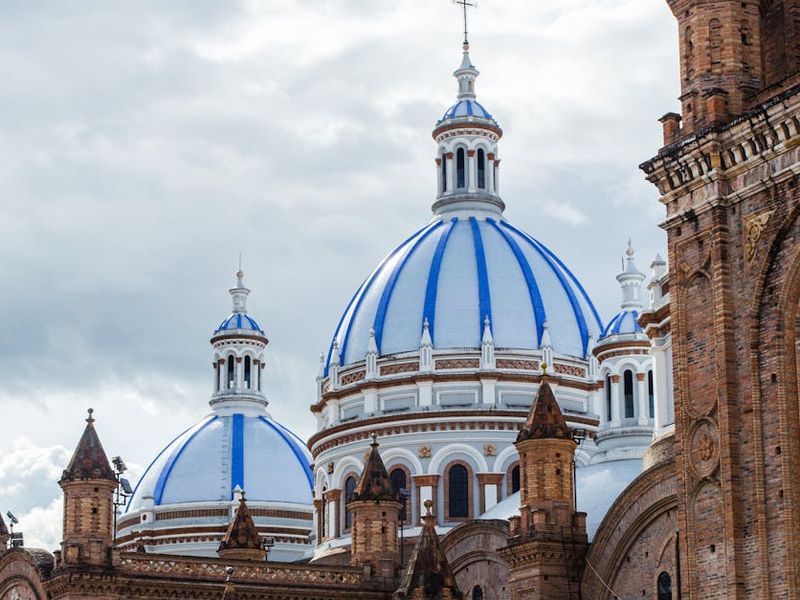
- Dry season offers crisp air, blue skies, and sunrise/sunset colors that light up the cathedral domes and Andes ridges.
- Rainy season yields low clouds, mist, and reflections on lagunas — excellent for moody, dramatic imagery.
- For birdwatching, early mornings any month are prime; the dry months make trails easier and access to higher páramo habitats in Cajas more reliable.
Final recommendations: pick the season that fits your priorities
If you want perfect hiking weather, clear mountain vistas, and predictable conditions, aim for June through September. If you prioritize greener landscapes, fewer tourists, and lower prices — and don’t mind the occasional shower — consider the shoulder months of April–May or October–November. For festival fans, time your trip around Carnival or Semana Santa, but expect crowds and higher local demand for rooms and tours.
Above all, Cuenca rewards visitors any time of year. Its mild climate, rich culture, friendly locals, and proximity to some of Ecuador’s best highland landscapes mean you’ll find something memorable whether the skies are clear or dramatic clouds roll in. Pack layers, plan a flexible itinerary for outdoor days, and book ahead for festival weeks — then enjoy exploring one of South America’s most charming colonial cities.
Quick checklist before you go
- Check festival dates and local holidays for the year you plan to travel.
- Book accommodations early for June–August and Semana Santa.
- Pack warm layers, a waterproof jacket, and good walking shoes.
- Allow a day to acclimatize before long hikes above Cuenca’s elevation.
- Bring reusable water bottle and sunscreen — essentials at altitude.
With a little planning and an eye to the seasons, your trip to Cuenca can match your ideal balance of adventure, cultural immersion, and relaxation. Whether you’re photographing the Andean light over the cathedral domes or hiking to a mirror-still laguna in Cajas, the city’s atmosphere changes beautifully with the months — and every season offers its own rewards.