
Table of Contents
Why timing matters when visiting Cuenca
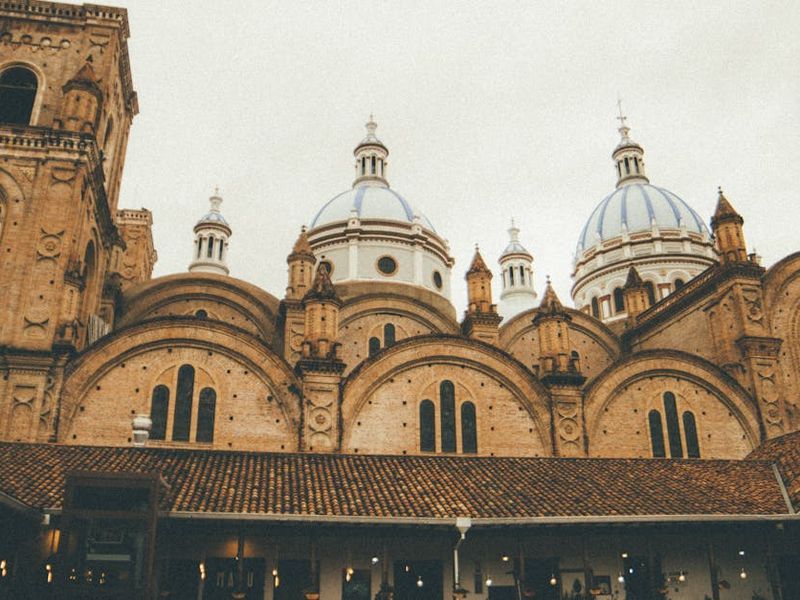
Cuenca, Ecuador’s charming highland city, rewards visitors year-round with colonial streets, blue-domed cathedrals, and dramatic Andean scenery. But when you go affects everything from weather and day-trip options to festival energy and hotel prices. This guide breaks down the seasons, explains how local events shape travel, and gives practical, on-the-ground advice for making the most of your trip—whether you have a long weekend or a month to explore.
Quick facts about Cuenca’s climate and altitude
Cuenca sits at roughly 2,560 meters (about 8,400 feet) above sea level. That altitude means spring-like days and cool nights most of the year. Typical daytime highs are between 18–22°C (64–72°F), while nights can dip to 6–10°C (43–50°F). Because Cuenca is near the equator, seasons are defined more by rainfall than by temperature: a drier period and a wetter period, with local microclimates that can surprise you.
Seasonal overview: Dry season vs. wet season
The Ecuadorian highlands generally have two broad seasons. The dry season tends to run from June through September, and this is when you’ll usually see the least rain and the clearest mountain views. The wet season typically stretches from October to May, bringing more frequent showers, lush landscapes, and spectacular cloudscapes.
However, these are general patterns. In Cuenca you might still get fine days in the wet season and sporadic showers in the dry months. The best approach is to plan based on the experiences you want—hiking, cultural festivals, crowds—and pack for variable weather.
Best time for outdoor adventures: June–September
If your priority is hiking, birdwatching, or day trips into the mountains, visit during the dry months. Trails in El Cajas National Park—just a short drive west of the city—are far easier and safer when the ground is dry, visibility is high, and there are fewer leeches and mud problems. The dry season also offers clearer views from Mirador de Turi and better light for photography along the Tomebamba River and the city’s iconic cathedral domes.
Keep in mind that the dry months coincide with school breaks in Ecuador and Europe, so expect more local tourists and higher hotel rates in July and August. Advance booking is a smart move.
Best time for lower prices and quieter streets: April–May & September–October
Shoulder seasons—typically April–May and late September–October—can be the sweet spot for many travelers. You’ll often find fewer tourists than in the peak summer months, better deals on lodging, and a mix of good weather with brief rain showers. The landscape is lush thanks to recent rains, but trails are often still manageable.
These months are ideal if you want a balance: reasonable weather, smaller crowds at museums and restaurants, and good availability for guided trips to El Cajas or nearby craft towns like Gualaceo and Chordeleg.
Visiting during the wet season: October–May
Traveling in the wet season has its advantages. The highlands are vivid green, rivers and waterfalls are full, and birding can be especially rewarding as some species are more active. If you don’t mind afternoon showers (they often pass quickly), you’ll find quieter streets and lower prices for many services.
Be strategic with day trips: plan hikes or mountain excursions for the morning when skies are often clearer, and reserve afternoons for museums, shops, or café time. Semana Santa (Holy Week) in March or April can be very busy and prices spike—expect a local rush during that period if it coincides with your travel dates.
Festivals and events that influence timing
Cultural calendar highlights can make a visit unforgettable—or very crowded. Important events include:
- Semana Santa (Holy Week) – Variable dates in March/April: Processions and religious activities draw many Ecuadorians to Cuenca’s historic center.
- Independence celebrations – Early November (including November 3): Parades, concerts, and local festivities bring lively city energy and civic pride.
- Local arts and craft fairs – Various weekends and holidays: Markets in nearby towns like Gualaceo and Chordeleg showcase textiles, silverwork, and the region’s artisanal tradition.
If you want to experience rich local culture, time your trip for these events. If you prefer tranquility and small queues at museums, avoid the major holidays and school vacations.
Month-by-month planning guide
January–March
These months are still within the wetter portion of the year. January and February can be quieter and cheaper, with occasional heavy rains. March often brings Semana Santa activity—book ahead if traveling then.
April–May
Shoulder season with greener landscapes and fewer tourists. April may still be rainy but offers good birding and pleasant city exploration. May has more stable weather as the dry season approaches.
June–August
Peak dry season and peak visitor numbers. July and August can be busy with both international and domestic tourists. This is the best time for El Cajas, photography, and clear panoramic views.
September–October
Another excellent shoulder period—dry early in September and rainy increases in October. September can be surprisingly quiet with very pleasant weather. October marks the return of more consistent showers.
November–December
November offers festival energy around Independence Day, while December sees an uptick in visitors for the holidays. Expect higher prices around late December and New Year’s; early November can be a great time to catch cultural celebrations without winter holiday crowds.
What to pack for Cuenca—year-round essentials
Because days and nights vary in temperature and weather can change quickly, layering is key. Practical items include:
- A lightweight, waterproof jacket with a hood
- Thermal or long-sleeve base layers for evenings
- Sunscreen and sunglasses—the equatorial sun is strong at high altitude
- Good walking shoes for cobblestones and country trails
- A small daypack for hikes and markets
- Reusable water bottle, as staying hydrated helps with altitude adjustment
Even in the dry months you’ll want a warm layer for nights and mornings. If you plan on serious hiking in El Cajas, add a lightweight fleece and a better waterproof shell.
Health, altitude, and local practicalities
Most visitors adapt easily to Cuenca’s altitude, but give yourself a day or two to acclimatize if coming from sea level. Take it easy the first 24–48 hours: avoid strenuous activity, drink plenty of water, and limit alcohol. Over-the-counter medications for headache and altitude symptoms are available, but talk to your doctor beforehand if you have heart or respiratory conditions.
Ecuador uses the US dollar, and Cuenca offers a range of bank services, pharmacies, and good private medical clinics. English is increasingly spoken in tourist areas and medical centers, but learning a few Spanish phrases will help immensely, especially in markets and taxis.
Getting to Cuenca and getting around
Cuenca’s Mariscal Lamar Airport (CUE) handles domestic flights, but many international travelers arrive via Quito or Guayaquil and continue by bus or a domestic flight. The bus from Guayaquil is comfortable and scenic, taking about 3.5–4 hours; buses from Quito take longer, often 8–10 hours depending on the route.
In the city, taxi fares are reasonable—agree on the price if the meter isn’t used—and buses make many routes for a small fare. Walking is one of the best ways to explore the historic center, but comfortable shoes are a must for the cobbled streets and stairways down to the Tomebamba riverside.
Suggested itineraries by length of stay
48 hours
- Morning: Stroll Parque Calderón and stand beneath the New Cathedral’s blue domes.
- Afternoon: Walk the Tomebamba riverside and visit a local artisan market.
- Evening: Dine in a restaurant serving local cuisine and seek sunset at Mirador de Turi.
5–7 days
- Include a day trip to El Cajas National Park for easy hikes and lakes.
- Visit Gualaceo and Chordeleg for textiles and silverwork; try local sweets in a traditional bakery.
- Explore museums—Museo Pumapungo has indigenous exhibits and ruins—and reserve time for coffee shops and neighborhood wandering.
2–4 weeks
- Spend slower days visiting community markets, signing up for a Spanish class, and taking longer hikes or multi-day treks in surrounding highlands.
- Consider side trips to Ingapirca ruins or coastal or Amazon excursions if you want variety.
Safety and cultural tips for visitors
Cuenca is considered one of Ecuador’s safest cities for tourists, but stay aware of petty theft in crowded markets and on buses. Use hotel safes, keep important documents secure, and carry a photocopy of your passport. Learn simple pleasantries in Spanish—locals appreciate the effort and it often unlocks better experiences and connections.
Support local artisans by buying directly in markets, and haggle politely where appropriate. Trying traditional foods—such as hornado or cuy at specialty restaurants—creates memorable cultural moments, but ask about ingredients if you have dietary restrictions.
Final thoughts: Pick the season that matches your travel priorities
There isn’t a single “best” time to visit Cuenca—only the best time for what you want to do. For clear skies, hiking, and photography, aim for June–September. For cultural immersion with festivals and lively street scenes, plan around November and Semana Santa (but book early). If you want lower prices, fewer crowds, and green landscapes, the shoulder months of April–May and September–October are excellent.
Whatever month you choose, pack layers, plan morning outdoor activities, and leave room for spontaneous discoveries. The architecture, markets, and natural beauty of Cuenca make it a rewarding destination in any season—you just need to time your visit to fit your interests.
Quick checklist before you go
- Check festival dates that may affect hotel availability
- Book transportation in advance during peak months
- Pack layers, rain protection, and sunscreen
- Plan outdoor activities for mornings during the wet season
- Bring copies of important documents and local cash
With a little planning and a flexible mindset, Cuenca’s cobbled plazas, riverside promenades, and nearby Andean landscapes will make any visit memorable. Decide what matters most to you—clear mountain views, cultural events, or a quieter pace—and choose your season accordingly.
Adam Elliot Altholtz serves as the Administrator & Patient Coordinator of the “Smilehealth Ecuador Dental Clinic“, along with his fellow Expats’ beloved ‘Dr. No Pain‘, right here in Cuenca, Ecuador, and for purposes of discussing all your Dental needs and questions, is available virtually 24/7 on all 365 days of the year, including holidays. Adam proudly responds to ALL Expat patients from at least 7:00am to 9:00pm Ecuador time, again every single day of the year (and once more even on holidays), when you write to him by email at info@smilehealthecuador.com and also by inquiry submitted on the Dental Clinic’s fully detailed website of www.smilehealthecuador.com for you to visit any time, by day or night. Plus, you can reach Adam directly by WhatsApp at +593 98 392 9606 -or by his US phone number of 1‐(941)‐227‐0114, and the Dental Clinic’s Ecuador phone number for local Expats residing in Cuenca is 07‐410‐8745. ALWAYS, you will receive your full Dental Service in English (NEVER in Spanish), per you as an Expat either living in or desiring to visit Cuenca by your Dental Vacation, plus also to enjoy all of Ecuador’s wonders that are just waiting for you to come arouse and delight your senses.