
Table of Contents
Why timing matters for a trip to Cuenca
Cuenca, Ecuador’s UNESCO-listed colonial city nestled at 2,560 meters (about 8,400 feet), is a destination that rewards thoughtful timing. Because the city sits in the southern highlands (la Sierra), weather, festivals and outdoor access change through the year. Choosing the right month affects what you can comfortably do — whether you want crisp, clear days for hiking in El Cajas National Park, colorful processions during Holy Week, or quieter streets and lower prices in a shoulder season.
Overview of Cuenca’s climate and seasons
Unlike temperate countries with four clear seasons, Ecuador’s weather is shaped by altitude and local microclimates. In the highlands around Cuenca you’ll commonly hear people refer to a rainy season and a dry season rather than spring, summer, fall and winter. Expect springlike daytime temperatures year-round (averaging around 15°C / 59°F) but large swings between sunny afternoons and cool nights. The two big practical patterns to remember are: shorter, drier days from roughly June through September, and wetter months clustered around late fall to spring.
What “dry” and “wet” really mean here
Dry months (commonly June–September) bring more predictable skies for summiting viewpoints, trekking and road trips. Wet months (often October–May, with peaks in March and April) typically include regular afternoon showers and occasional overcast mornings, though the weather can still be pleasant for museum visits and market-hopping. Many days during the rainy season follow a familiar pattern: bright morning, clouds build by noon, afternoon showers, and clearer evenings.
Best time by travel interest
The best month depends on what you want from your trip. Here are targeted recommendations so you can match timing to interests.
For hiking, biking and Cajas National Park
Choose the dry window (June–September). Trails around El Cajas — with its mirror-like lagoons, páramo terrain and open ridgelines — are at their most accessible and scenic when precipitation is lower. Clear weather gives dramatic mountain light early and late in the day, improving photos and visibility. If you plan to do longer day hikes or multi-day treks, stacking several dry days in a row is ideal.
For festivals and cultural life
Cuenca’s cultural calendar is alive year-round, but certain religious and civic events draw concentrated crowds. Semana Santa (Holy Week, usually in March or April) features processions and traditional celebrations in the cathedral and local neighborhoods. The city also stages anniversary and independence-related observances in the fall — a lively period for parades, music and local food. These windows are fantastic if you want immersive cultural experiences, but expect busier hotels and restaurants.
For photography and lush landscapes
If dramatic green landscapes and flowing waterfalls top your list, plan for the wetter months (late fall to spring). Following regular rains the valley and surrounding hills become intense emerald, which is excellent for landscape photography and botanical interests. Fog and mist can add mood to your shots, though you’ll need to be flexible about sudden showers.
For fewer crowds and lower prices (shoulder seasons)
Double down on April–May or October–November for lower accommodation rates and a quieter vibe. You’ll still see good weather windows, and attractions won’t feel crowded. Note that shoulder months can have unpredictable weather — pack layers and a compact rain jacket.
Practical travel tips for every season
No matter when you visit, a few practical habits will keep you comfortable and make the most of your stay in Cuenca.
1. Pack for layering and sun protection
Day-to-night temperature swings are real. Always bring a lightweight fleece or sweater, a windproof layer, and a compact waterproof jacket. Because UV is stronger at altitude, carry sunscreen, sunglasses and a brimmed hat even if mornings are cool.
2. Prepare for altitude
At 2,560 meters, most visitors tolerate Cuenca without serious problems, but you may notice shortness of breath and sluggishness on your first day. Give yourself 24–48 hours to acclimatize before strenuous hikes in Cajas or higher-altitude day trips like Ingapirca. Hydrate, eat lightly at first, and avoid overexertion. If you have respiratory or cardiovascular concerns, check with your doctor before travel.
3. Book ahead for peak windows
June through August and major holidays (Easter and the December/January period) attract domestic and international travelers. Reserve accommodations and tours in advance if you plan to travel then — especially if you want boutique hotels near Parque Calderón or guided hikes into El Cajas.
4. Travel logistics and transit
Cuenca’s airport (Mariscal Lamar, code CUE) handles domestic flights to Quito and Guayaquil; flights are short but book early in peak season. Buses from Quito take about 8–10 hours and from Guayaquil roughly 3.5–4 hours; roads are generally good but can be slick during heavy rain. If you’re driving, plan for slow sections and always check local road conditions during the rainy months.
Neighborhoods and where to stay depending on season
Cuenca’s compact historic center is walkable and atmospheric year-round, but your best base can change with the season and travel style.
Historic center (Parque Calderón area)
Great for first-time visitors, the area around Parque Calderón puts the New Cathedral, artisan shops and museums within easy walking distance. In peak season the streets bustle; during rainy months you’ll appreciate being close to indoor options like museums and coffee shops.
Turi & viewpoints
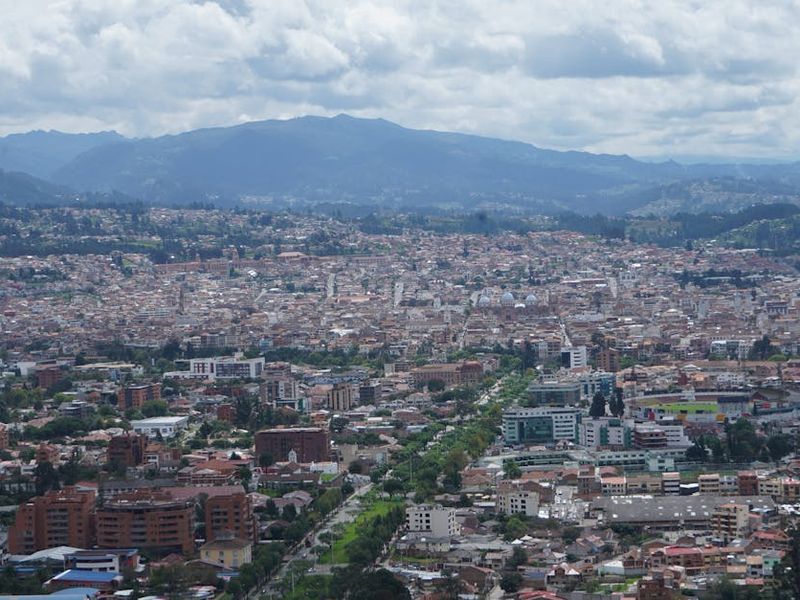
If you want panoramic views and quieter mornings, look for accommodations in the Turi neighborhood near the famous overlook. Early mornings here often deliver clear vistas of the city and surrounding mountains in the dry season.
Suburban neighborhoods
For longer stays or a more residential feel, neighborhoods a short taxi ride from the center can offer larger apartments and calmer evenings. This can be especially pleasant in shoulder months when you want local grocery access and less noise.
Seasonal activities and day trips
Cuenca serves as a hub for varied day trips. Depending on the time of year, certain excursions are more enjoyable or practical.
El Cajas National Park
Best visited during dry months for clear hikes and accessible trails; beautiful year-round if you’re prepared for wet conditions. Bring waterproof boots and extra layers—temperatures dip and wind can be strong at higher elevations. The park is excellent for birdwatching, photography, and encountering Andean lakes (lagunas).
Ingapirca ruins
Roughly 1.5–2 hours north of Cuenca, Ingapirca is Ecuador’s most important Inca archaeological site. It’s a good day trip during most months, but muddy trails after heavy rains can limit access to some areas.
Gualaceo and Chordeleg
These nearby towns in the Paute valley are famous for local crafts: Chordeleg for silver filigree jewelry and Gualaceo for woven goods and lively markets. Visits are pleasant year-round; expect more vibrant outdoor market scenes on dry days.
Packing checklist for Cuenca (season-aware)
- Layerable clothing: thin base layers, fleece, windbreaker
- Compact waterproof jacket and umbrella (for rainy months)
- Sturdy walking shoes or hiking boots, and waterproof socks
- Sun protection: SPF 30+, sunglasses, hat
- Reusable water bottle (stay hydrated at altitude)
- Small daypack, camera rain cover, quick-dry towel
- Copies of travel documents and local cash (USD is Ecuador’s currency)
Money, safety and practicalities
Cuenca is one of Ecuador’s safest big cities, but normal urban common sense applies: watch your belongings in crowded markets and keep electronics secure. Ecuador uses the US dollar; ATMs are plentiful in the city center but may charge fees for international cards. Credit cards are accepted in most hotels and many restaurants, but smaller markets and buses are cash-only.
Health and local services
Pharmacies and private clinics in Cuenca are well-stocked. If you need medical care, hospitals in the city offer good services, but always carry travel insurance that covers medical evacuation if you plan remote activities or high-altitude treks. Tap water in Cuenca is chlorinated and generally safe for brushing teeth; if you have a sensitive stomach, a filtered bottle is a good idea.
Sample itineraries by season
To help plan, here are short itineraries tailored to different seasons and traveler styles.
Dry-season long weekend (June–September)
- Day 1: Arrive, walk Parque Calderón, visit the New Cathedral and artisan markets.
- Day 2: Full-day trip to El Cajas for hiking and laguna photography.
- Day 3: Morning in Pumapungo Museum and the Flower Market, afternoon shopping in Chordeleg.
Shoulder-season cultural escape (April–May or October–November)
- Day 1: Stroll the historic center, explore local cafes and museums.
- Day 2: Visit nearby artisanal towns (Gualaceo, Chordeleg) and sample local food markets.
- Day 3: Take an easy morning walk in a nearby park, enjoy an afternoon art gallery crawl back in Cuenca.
Final thoughts: balance weather, crowds, and interests
There isn’t a single “best” time for everyone to visit Cuenca. If you want predictable hiking weather and clear city views, aim for June–September. If festivals and cultural immersion are your goal, time your trip around Semana Santa or the city’s November celebrations (with the caveat of heavier crowds). For lower costs, quieter streets, and dramatic green landscapes, the shoulder and wetter months can be deeply rewarding — just be ready for brief, energetic rainstorms.
Whichever season you choose, the key is to plan around your primary activities, pack for quick weather changes, and give yourself a gentle pace at altitude. Cuenca’s blend of colonial architecture, lively markets, nearby wilderness and welcoming cafés makes it a year-round favorite for travelers who appreciate culture and nature in one compact city.
Ready to pick dates? Think about whether you want clear mountain vistas, festive city life, or a relaxed, off-peak stay — then use this seasonal map to book the best accommodations and tours. Buen viaje — and enjoy discovering the highland charms of Cuenca.