
Table of Contents
Why timing matters in Cuenca
Cuenca sits high in the Andes at about 2,560 meters (8,400 ft), offering a mild, temperate climate that feels like spring most of the year. But subtle seasonal shifts affect rainfall, outdoor access, crowds, and local festivals — all of which can shape your trip. Knowing what each month brings will help you pick the best time to hike the páramo of El Cajas, wander the cobbled streets of the historic center, or time your visit for a lively cultural celebration.
Quick snapshot: seasons and what they mean
Rather than four strict seasons, Cuenca’s climate is best understood as a wet season and a dry season with comfortable temperatures year-round:
- Dry season (June–September): More sunshine, less rain, excellent hiking and birdwatching conditions.
- Wet season (October–May): More frequent rain showers and cloudy skies but greener landscapes and fewer tourists — often the best time for cultural festivals and lower prices.
Month-by-month: What to expect
Below is a practical month-by-month breakdown so you can match your interests — hiking, photography, festivals, or relaxed city exploring — with the best time to visit.
January–February: Lush landscapes and quieter streets
These months are part of the wetter stretch. Expect regular afternoon showers, but also bright, verdant mornings. Trails at El Cajas can be muddy, yet the lakes and páramo are spectacularly green. Birders often enjoy increased activity, and photography benefits from dramatic skies. Hotels aren’t as full as in high season, so you may find good deals.
March–April: Holy Week and springtime energy
March and April include Semana Santa (Holy Week), a major religious and cultural period across Ecuador. Cuenca stages processions and special church services in the historic center — an evocative time to experience local traditions. Weather still leans wet, so plan indoor activities or short hikes early in the day. If you travel during Holy Week, book accommodation and transport in advance.
May: Shoulder month with variable weather
May is transitional — you may experience long dry spells or heavy rains. This is a good month for budget travelers seeking reduced crowds before the dry season fully arrives. Cultural events surrounding Día de los Difuntos (Day of the Dead) and local food traditions like colada morada and guaguas de pan are part of November celebrations, but May hosts other smaller local fairs in surrounding towns.
June–September: Best for hiking and outdoor adventures
These are Cuenca’s driest months. Expect clearer skies, lower precipitation, and crisp mornings — ideal conditions for trekking in El Cajas National Park, exploring Ingapirca, and taking skyline photos from Mirador Turi or Las Peñas. Trails are firmer and transport disruptions due to rain are less likely. This is also peak tourist season, so popular hotels and restaurants fill up faster.
October: A quieter alternative with changing colors
October often brings a mix of dry and wet days — a shoulder month with fewer tourists than June–September but better weather than the core rainy months. October can be particularly pleasant for photographers: morning mists lift to reveal dramatic Andean landscapes.
November–December: Festivals, flavors, and festive lights
Late in the year you’ll find a lively calendar. November is known for local fiestas and community celebrations, and December lights up with holiday markets and decorations. Tourist numbers begin to rise around Christmas and New Year’s, so plan ahead for accommodation if traveling in that period. The weather becomes more unsettled again as the wet season approaches.
Match your interests to the best months
Different travelers will prioritize different things — here’s a quick guide to help you decide when to come.
- Outdoor adventurers: June–September for stable trails, crisp air and open views in El Cajas and nearby highlands.
- Birdwatchers and nature photographers: January–April can be excellent for species activity and dramatic skies, though expect wetter trails.
- Cultural travelers: Visit around Semana Santa (March/April) or the November community fiestas to see processions, traditional foods, and local crafts.
- Budget and slow travel: May and October are shoulder months with fewer crowds and better prices.
- Holiday travelers: Early November events and December festivities add local color, but book early for the holidays.
Key events and why they matter
Cuenca’s calendar blends religious, civic, and local community festivals. Two highlights visitors often seek out are:
- Semana Santa (Holy Week): Intense religious observance across the city with processions and church rituals concentrated in the Historic Center around Parque Calderón.
- November celebrations and Día de los Difuntos traditions: While Ecuador as a whole cherishes Nov 2 with colada morada and guaguas de pan, Cuenca’s barrios organize parades, artisan fairs and community meals in early November that show the city’s festive side.
Check local event listings before you travel — smaller parish festivals in surrounding communities are treasures if you want an authentic experience.
Practical travel tips for any season
Packing and clothing
Cuenca’s weather changes during the day. Pack layers: a warm sweater, a lightweight down or fleece, and a waterproof shell. Bring a hat and sunscreen for bright sun at altitude, and sturdy walking shoes or lightweight hiking boots for cobbled streets and rural trails. If visiting the páramo, include thermal layers for early-morning treks.
Altitude and health
The altitude can make physically intense activity more challenging. Take it easy on arrival: walk slowly, hydrate, and avoid heavy exertion the first 24–48 hours. If you are prone to altitude sickness, consult your doctor before travel — some people use acetazolamide (Diamox) under medical guidance. Local remedies like coca tea are common and can help mild symptoms, though their availability varies.
Money, language, and connectivity
Ecuador uses the US dollar, which simplifies budgeting for many visitors. Spanish is the dominant language in Cuenca; English is increasingly spoken in tourist services, but learning basic Spanish phrases will enrich your experience. Local mobile providers offer SIM cards with decent coverage; Wi‑Fi is common in cafes and hotels.
Getting around
Cuenca’s compact historic center is very walkable. For longer trips, taxis are inexpensive — insist on regulated yellow taxis or use a local app if available. If you want to explore El Cajas, Ingapirca, or nearby towns like Gualaceo and Chordehue, hire a guided day tour or use intercity buses. The local airport (Mariscal La Mar, CUE) connects Cuenca with Quito and Guayaquil if you prefer flying.
Safety basics
Cuenca is widely considered one of Ecuador’s safest cities, but petty theft and opportunistic crimes occur. Keep valuables discreet, use hotel safes, avoid isolated areas at night, and carry a copy of your passport rather than the original when exploring. Travel insurance that covers health, theft, and trip interruption is recommended.
Day trips and must-see spots year-round
Cuenca makes an excellent base for nearby attractions, and many of these will be accessible in most seasons — though access to high-altitude trails is easiest during the dry months.
- Parque Nacional Cajas: A mosaic of lakes and highland grasslands 30–60 minutes from the city. Ideal for day hikes, birding, and reflective photography.
- Ingapirca: Ecuador’s largest known Inca site, about a 1.5–2 hour drive north; a great cultural excursion paired with local markets in the Cañar province.
- Las Peñas and Mirador Turi: Walk the colorful stairs of Las Peñas for artisan shops and great afternoon light; climb or drive up to Mirador Turi for sweeping city views at sunset.
- Museo Pumapungo and Parque Calderón: For history and archaeology, and to base yourself in the colonial heart of the city with restaurants and cafes at your doorstep.
Sample itineraries by length
48 hours
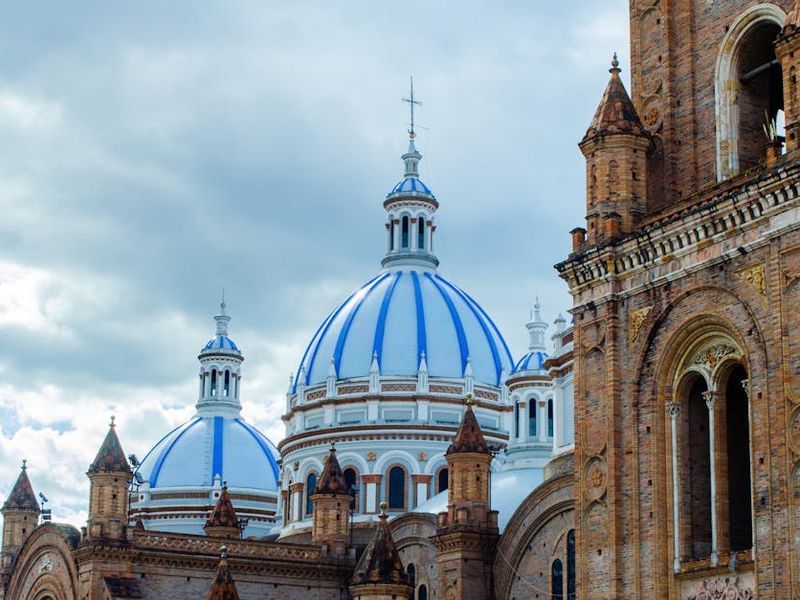
Day 1: Explore the Historic Center—Parque Calderón, the New Cathedral with its distinctive domes, and Museo Pumapungo. Night 1: Dinner in a local restaurant, wander Las Peñas at sunset.
Day 2: Half-day to El Cajas (short hike and lakes), afternoon for artisan markets and relaxed café time.
4–7 days
Use two days for Cuenca’s museums, food scene and neighborhoods, a full day in El Cajas for longer hikes or birding, and a day trip to Ingapirca and surrounding artisan towns like Gualaceo. Allow a free day to simply stroll and sample food markets, and take in a local festival if timing aligns.
Final recommendations: choose what matters most
There’s no single “best” month to visit Cuenca — only the best month for what you want to do. If you crave consistent hiking weather and clearer skies, aim for June through September. If you want lush highland scenery, lower prices and cultural events, plan for the shoulder and wetter months like March–May or October–November. Wherever you go, Cuenca’s colonial charm, thriving artisan traditions, and easy access to highland nature make it a rewarding destination year-round. Pack smart, expect day-to-day variability, and leave time for unplanned discoveries in plazas, markets, and mountain views.
Ready to plan? Check local event calendars before booking, reserve key activities in the high season, and keep a flexible day or two in your itinerary for weather or festival surprises — Cuenca rewards travelers who slow down and soak in its rhythm.
Adam Elliot Altholtz serves as the Administrator & Patient Coordinator of the “Smilehealth Ecuador Dental Clinic“, along with his fellow Expats’ beloved ‘Dr. No Pain‘, right here in Cuenca, Ecuador, and for purposes of discussing all your Dental needs and questions, is available virtually 24/7 on all 365 days of the year, including holidays. Adam proudly responds to ALL Expat patients from at least 7:00am to 9:00pm Ecuador time, again every single day of the year (and once more even on holidays), when you write to him by email at info@smilehealthecuador.com and also by inquiry submitted on the Dental Clinic’s fully detailed website of www.smilehealthecuador.com for you to visit any time, by day or night. Plus, you can reach Adam directly by WhatsApp at +593 98 392 9606 -or by his US phone number of 1‐(941)‐227‐0114, and the Dental Clinic’s Ecuador phone number for local Expats residing in Cuenca is 07‐410‐8745. ALWAYS, you will receive your full Dental Service in English (NEVER in Spanish), per you as an Expat either living in or desiring to visit Cuenca by your Dental Vacation, plus also to enjoy all of Ecuador’s wonders that are just waiting for you to come arouse and delight your senses.