
Table of Contents
Why the timing of your Cuenca trip matters
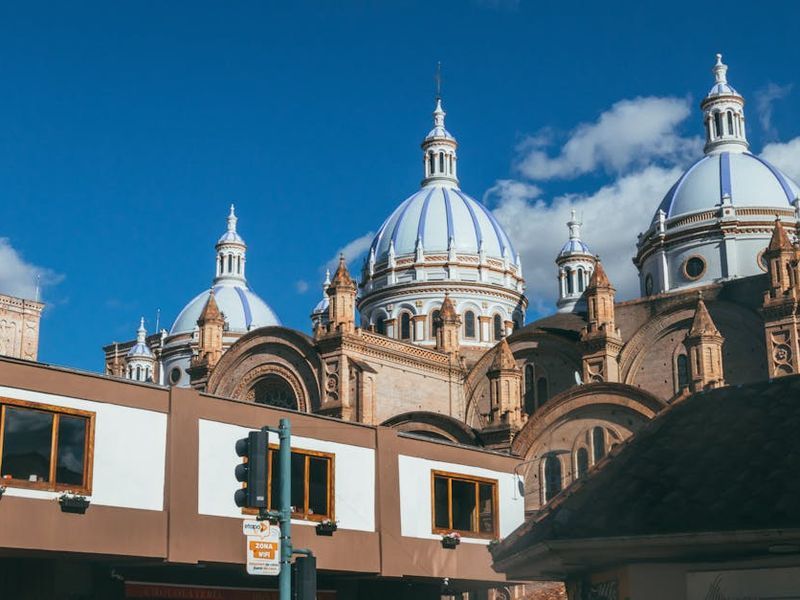
Cuenca’s colonial streets, blue-domed cathedral, and surrounding highland landscapes feel delightful year-round — but the time of year you choose shapes what you’ll see, do, and pay for. The city’s elevation (about 2,560 meters / 8,400 feet) and its position in Ecuador’s southern Sierra produce a mild, spring-like climate that changes subtly between a distinct dry season and a wetter one. Knowing those rhythms helps you decide whether you want crisp sunny days for hikes, lively festival crowds, or quieter streets and lower prices.
Quick climate snapshot: dry vs. rainy seasons
Cuenca has two broad seasons:
- Dry season (June–September): The clearest, sunniest months with cooler nights — ideal for hiking, day trips to Cajas National Park, and long walks around the historic center.
- Rainy season (October–May): Frequent showers and cloudier days, with heavier rains from January through April. Expect lush green landscapes, fewer tourists, and occasional muddy trails.
Temperatures are generally mild: daytime highs often reach 18–22°C (64–72°F), while nights and early mornings can dip to 8–12°C (46–54°F). Because you’re high in the Andes, sunscreen and a hat are essential year-round — UV is stronger at altitude.
Best time for outdoor activities and photography
If your priority is hiking, biking, birdwatching, or panoramic views, aim for the dry season: June to September. Trails in Cajas National Park are much firmer and visibility is better for photography. The dry months also bring the clearest air to viewpoints like Mirador de Turi, where you can see the red-tiled roofs and church domes framed against the Andean backdrop.
Early mornings in the dry season often deliver spectacular golden light and active hummingbirds around feeders — a boon for wildlife photographers. Keep in mind that sunny days are often followed by chilly nights, so layering is key.
Best time for culture, festivals, and city life
Cuenca’s cultural calendar punctuates the weather. Two times stand out:
- Semana Santa (Easter week): A major religious observance celebrated with processions and special church services. The date varies each year (March/April) — it’s atmospheric but can be crowded and some businesses may have altered hours.
- Independence celebrations (early November): Cuenca’s civic pride peaks during Independence Day festivities, with parades, music, and local foods in the streets. It’s festive and colorful, though more crowded and pricier for accommodation.
If festivals are your draw, plan well in advance for lodging and arrive early to secure prime viewing spots for parades and events.
When to visit for the lowest prices and smallest crowds
Shoulder months — especially late April to early June and September to early October — often offer the best balance between decent weather and lower prices. You’ll find fewer international tourists than in the June–August window, and many tour operators and hotels reduce rates in those periods.
Visiting during the heart of the rainy season (January–March) will usually yield the lowest prices, but expect frequent showers and some trail closures. If you don’t mind the occasional downpour and want market and daily life at its most authentic, those months can be rewarding.
Month-by-month guide: what to expect
Here’s a simple breakdown to help you choose the right month for your interests.
- January–March: Wettest months. Lush countryside, birding can be excellent, fewer tourists, lower prices. Trails in higher terrain may be muddy.
- April–May: Transition to drier weather; occasional showers but increasingly pleasant. Good shoulder-season deals and fewer crowds.
- June–September: Best for outdoor adventures — mostly dry skies and durable trails. Peak tourist season; book ahead for popular hotels and tours.
- October–November: Start of the rains; October is a variable month, while November brings festivities around Independence Day. Beautiful green landscapes and lively city events.
- December: Rain returns regularly, but the city buzzes during the holiday season. Local markets and restaurants stay lively.
Health, altitude, and practical travel tips
At 2,560 meters, Cuenca is high but not extreme. Most travelers acclimate within a day or two, but a few simple precautions make the transition easier:
- Hydrate well before and during your arrival day; avoid heavy exertion on the first 24 hours.
- Bring sunscreen, a hat, and sunglasses — UV exposure is stronger at altitude even on cloudy days.
- Consider bringing mild altitude-relief medication if you’re sensitive, and consult your doctor before travel if you have heart or respiratory conditions.
- Keep layers: mornings and evenings can be brisk. A warm fleece or light down works well.
Packing list for Cuenca by season
Smart packing depends on when you travel. Here’s a compact checklist that covers most seasons:
- Layering pieces: T-shirts, long-sleeve shirts, a fleece or sweater, and a lightweight down jacket.
- Rain jacket or a compact umbrella (essential outside June–September).
- Comfortable walking shoes plus hiking boots for Cajas or other trails.
- Sunscreen, wide-brim hat, and sunglasses.
- Reusable water bottle, basic first-aid kit, and any altitude medication advised by your doctor.
Where to stay depending on your schedule and interests
Cuenca’s central neighborhoods around Parque Calderón are perfect for first-time visitors: you’re steps from the Catedral Nueva, cafes, and museums. For quieter stays, consider the neighborhoods of El Vergel or Yanuncay along the river — still close to the centro but with a more residential feel.
If your trip focuses on nature and longer outdoor excursions, look for guesthouses or lodges near the city’s western edge that offer easy access to Cajas National Park or countryside hikes. During festival periods and the June–August high season, book at least 6–8 weeks in advance.
Top day trips and how timing affects them
Cuenca is ideally placed for a variety of day trips. The season you choose affects how enjoyable and accessible they are:
- Cajas National Park: Stunning glacial lakes and páramo landscapes. Best visited in the dry season (June–September) for firm trails and clear vistas.
- Gualaceo and Chordeleg: Nearby artisanal towns known for textiles and silver jewelry. These markets are year-round attractions, but weekends and festival times are busiest.
- Ingapirca: Ecuador’s largest Inca archaeological site, a longer day trip north — weather can be wetter October–April, so plan accordingly.
- Mirador de Turi: A short drive with sweeping views of the city. Clear days in the dry season offer the best photo ops.
Food, markets and local rhythms by season
Cuenca’s markets and cafes operate year-round with seasonal variations in produce. During the rainy season you’ll find an abundance of fresh fruits and hearty Andean stews that are comforting after a wet day. Dry months are perfect for street food strolls and riverside dining.
Don’t miss a visit to Mercado 10 de Agosto (or similar local markets) to try local specialties like locro de papa (potato soup with cheese and avocado), hornado (roast pork), and empanadas. Artisan shops display Panama hats, woven textiles from the region, and silver jewelry crafted in nearby Chordeleg.
Safety, crowds, and booking tips
Cuenca is often cited as one of Ecuador’s safest cities for travelers and expats, but basic precautions apply: watch valuables in crowded markets, use licensed taxis at night, and check recent traveler reviews for any neighborhoods or services you plan to use.
If you want to avoid crowds but still enjoy good weather, aim for the shoulder months (May and September). If you must travel during a festival or holiday, book lodging and any guided tours well in advance.
Final recommendation: picking the month that fits you
If you want the clearest skies, best hiking conditions, and dependable weather: visit June through September. If you crave local color, parades, and community festivities, come for Independence Day in early November or Semana Santa (Easter week). If budget and quiet streets are your priority, consider the low-season winter months (January–March) or the shoulder windows of April–May and September.
Whichever month you choose, Cuenca rewards visitors with a compact, walkable historic center, friendly cafés, and easy access to some of Ecuador’s most beautiful highland landscapes. Plan around the weather and events you most want to experience, pack a few warm layers and a rain shell, and you’ll be set to enjoy one of the Andes’ most charming cities.
Quick checklist before you go
- Check festival dates and book accommodation early if traveling in November or during Semana Santa.
- Bring layers and sunscreen for the strong highland sun.
- Plan Cajas and other outdoor activities for the dry season when possible.
- Hydrate and take it easy on your first day to acclimate to altitude.
With the right timing, Cuenca can be the centerpiece of an unforgettable Ecuador trip — whether you’re photographing blue domes at sunrise, hiking above milky-blue lagoons, or tasting the region’s rich culinary traditions in a bustling market.