
Table of Contents
Why timing matters for a trip to Cuenca
Cuenca’s charm is perennial: colonial architecture, a relaxed expat scene, and access to dramatic Andean landscapes. Still, when you visit affects weather, crowd levels, prices, and what activities are easiest or even possible. This guide breaks down the seasons, highlights month-by-month pros and cons, and gives practical tips so you can pick the ideal time to experience Ecuador’s highland jewel.
Cuenca’s climate in a nutshell
Cuenca sits at about 2,560 meters (8,400 feet) above sea level. That altitude produces a steady, spring-like climate year-round: crisp mornings, sunny afternoons, and cool nights. Rather than four temperate seasons, the city has a pronounced wet season and a drier window. Expect daily temperature swings — mornings in the 8–12°C (46–54°F) range and afternoons commonly 18–22°C (64–72°F) — but occasional cold snaps and sunny spikes can happen any month.
The highland rhythm: Dry season vs. rainy season
Understanding the wet/dry rhythm is the quickest way to decide when to come.
- Dry months (best for hiking & clear skies): June through September. These months offer more reliable blue-sky days, lower humidity, and crisp visibility — ideal for Cajas National Park, scenic drives, and photography.
- Rainy months (fewer tourists, lush landscapes): October through May. Rain is usually in the form of afternoon showers or brief spells, and mornings are often clear. The landscape is greener, waterfalls fuller, and accommodation prices commonly lower.
Note: Ecuadorian weather can be local and changeable. Even in the dry season you can hit a rainy afternoon, and the rainy season will often gift you long stretches of sunshine.
Month-by-month: What to expect and do
January–February: Quiet, green, and community life
These months are on the wetter side, but January and February are low tourist season after the holiday surge. Expect frequent afternoon showers, but also warm, verdant mornings. This is a good time to find deals on hotels and tours. Cultural life is steady — neighborhood markets and local restaurants are fully functioning without the tourist rush. If you want to explore artisan towns like Gualaceo and Chordeleg with fewer crowds, these months are excellent.
March–May: Flowering landscapes and shoulder-season advantages
Late March and April bring variable weather: some unsettled rains, but also long clear patches. By May the rainfall can lessen, making it a flexible shoulder season. This is a smart time for photographers because the countryside is lush and there are fewer visitors than in high season. Semana Santa (Holy Week) falls in March or April some years — expect festive processions and book accommodations early if you plan to be in town then.
June–August: Peak clarity and outdoor adventures
These are the most reliably dry months, perfect for hiking in Cajas National Park, visiting the Turi mirador for sunrise, and taking scenic day trips. Expect clear skies that make the cathedral domes pop in photos and give incredible views from higher vantage points. This is also the busiest period for both Ecuadorian and international visitors, so book hotels and popular tours in advance. Nights are colder — bring warm layers.
September–October: Transition with good deals
September can still feel like high season with many dry, sunny days. October begins the return of more frequent rainfall but remains a good time to travel for lower hotel rates and fewer crowds. If you want a balance of good weather and better prices, late September or early October is a smart pick.
November–December: Festivities and mild weather
November carries special energy: Cuenca celebrates its founding and independence with civic events and local traditions around early November. Weather starts to shift toward wetter conditions later in the month, but many days are pleasant. December heats up again with holiday travel; the city becomes lively with seasonal markets, decorations, and higher hotel demand in the last two weeks of the month.
Seasonal highlights and what each season unlocks
Match your interests to the season to get the most out of Cuenca.
- Hiking & photography: June–September for clearer skies, fewer clouds in Cajas, and long golden hours.
- Culture & festivals: Semana Santa (spring) and Independence celebrations (early November) bring processions and lively public events — great for cultural immersion but busier accommodations.
- Handicrafts & markets: Year-round, but quieter months (Jan–May) mean more attentive vendors and easier bargaining in Chordeleg and Gualaceo.
- Birdwatching: Dry months generally provide easier access to cloud forests and paramo for birding, though the highland birdlife is active year-round.
Practical tips by traveler type
First-time visitors
If it’s your first time in Cuenca, aim for June–August or late September. Those months offer clearer weather for seeing the city’s cobblestone center, the blue-domed New Cathedral, and rooftop views from Turi. Allow a couple of easy days to adjust to the altitude before planning strenuous hikes.
Budget travelers
Plan for the rainy season (January–May and October–December) to find lower hotel rates and cheaper local tours. Rain usually falls in the afternoon, leaving mornings free for sightseeing. You’ll avoid peak holiday surcharges if you steer clear of June–August and mid-December to early January.
Outdoor enthusiasts
If hiking, stargazing, or visiting Cajas National Park are priorities, travel in the dry window of June–September. Trails are much more accessible and photography conditions are favorable. Bring a warm sleeping layer if you plan to camp or take early-morning photo shoots.
Packing list: What to bring for Cuenca by season
Cuenca’s greatest packing challenge is layering for daily temperature swings.
- Lightweight base layers and a warm mid-layer (fleece or light down)
- Waterproof shell or packable rain jacket — useful year-round
- Sturdy walking shoes or lightweight hiking boots
- Sun protection: broad-brim hat, sunglasses, and sunscreen (UV can be intense at altitude)
- Reusable water bottle and small water filter or purification tablets (many hotels offer filtered water but it’s handy)
- Small first-aid kit and altitude remedies (oral rehydration salts, paracetamol; consult your doctor on prescription meds)
- Camera with extra batteries (batteries drain faster in cooler temps), phone power bank
Health, altitude, and local basics
Altitude sickness can affect anyone, even experienced travelers. Whether you come in the dry or rainy season, plan easy activity for your first 48 hours, drink plenty of fluids, and avoid heavy exertion and excess alcohol upon arrival. Some visitors sip coca tea — a local remedy — and many hotels will offer it. If you have cardiovascular or respiratory conditions, check with your physician before travel.
Practical facts: Cuenca uses the US dollar (USD), and plug types are A/B at 120V. Mariscal Lamar International Airport (CUE) has flights from Quito and Guayaquil and connects well via bus if you prefer scenic overland travel. Tap water in Cuenca is treated, and many visitors drink without issues; however, some opt for bottled or filtered water, especially when venturing into remote areas.
Getting around and day-trip recommendations
Cuenca’s compact historic center is very walkable, and taxis are inexpensive for longer legs or late-night returns. Rideshare services are less widespread than in larger cities, so rely on registered taxis or hotel-arranged rides after dark. For day trips:
- El Cajas National Park: 30–60 minutes away depending on your start point. Best in the dry months when trails and viewpoints are unobstructed.
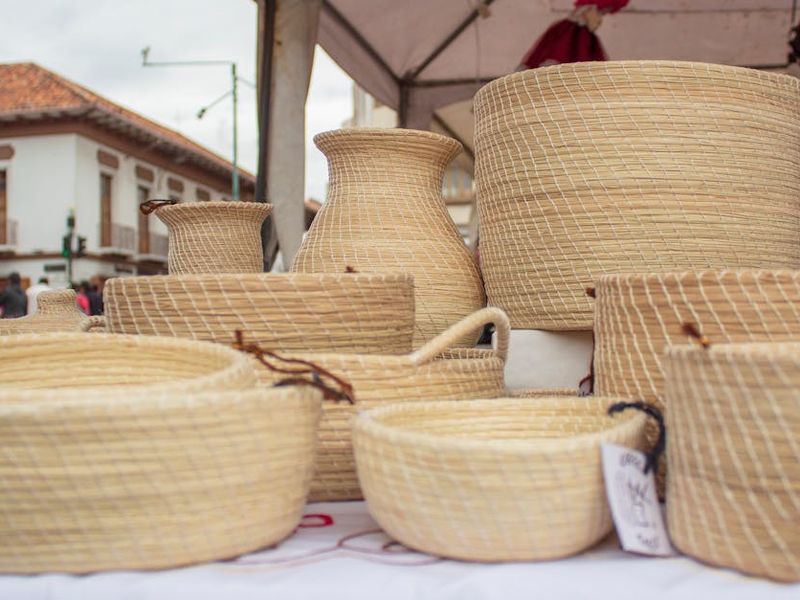
- Gualaceo and Chordeleg: Artisan towns famous for woven goods and silver jewelry. Great year-round, but quieter in the rainy season.
- Ingapirca: The largest Inca ruins in Ecuador are a longer day trip but rewarding — bring layers and be prepared for changing weather.
- Turi mirador: A short drive up for sunrise/sunset panoramas of Cuenca’s domes and valley — excellent any month.
Where to stay based on timing and interests
Choose a neighborhood depending on your priorities and the season:
- Historic Center (El Centro): Best for first-timers and culture seekers; close to the cathedral, markets, and museums. In high season, book early.
- San Sebastián & El Vergel: Quieter neighborhoods with local cafes and a neighborhood feel. Good for longer stays and slower travel.
- Turi/near the Mirador: If you want serenity and views, consider lodgings near Turi for sunrise access and calmer mornings.
Events and festival timing to consider
Cuenca’s public calendar adds cultural texture to travel plans. Semana Santa (Holy Week) is widely observed with religious processions and special services — a powerful cultural experience but a busier travel time. Early November often hosts civic commemorations for local independence; these events bring parades, municipal programs, and a festive atmosphere. Plan and book ahead if you want to be in town for major holidays.
Final thoughts: Choosing your perfect month
If you want crisp air, reliable hiking conditions, and blue skies, aim for June through August. If you prefer fewer tourists, lower prices, and lush green scenery, travel during the rainy shoulder months (January–May or October–December). For cultural immersion tied to local festivities, target Semana Santa or the November civic celebrations but expect crowds and higher hotel demand.
Above all, Cuenca rewards relaxed exploration. Pack layers, be ready for afternoon showers any time of year, and leave room in your itinerary for unexpected discoveries — a quiet plaza café, a sudden procession, or a foggy mountain vista. Timing can boost specific experiences, but Cuenca’s timeless streets and friendly rhythm make it a worthy visit in any month.
Quick checklist before you go
- Book high-season lodgings early (June–August, mid-December).
- Pack layers and a waterproof jacket year-round.
- Plan 48 hours for altitude acclimatization.
- Reserve guided tours for Cajas and Ingapirca in dry months if you want staged hiking or photography outings.
- Carry USD in small bills for markets and taxis; credit cards are widely accepted in the city center.
With a little planning around these seasonal rhythms, your trip to Cuenca will be both comfortable and memorable — whether you come for crisp hiking days, festive parades, or simply to linger in a café watching the domes glow at sunset.
Adam Elliot Altholtz serves as the Administrator & Patient Coordinator of the “Smilehealth Ecuador Dental Clinic“, along with his fellow Expats’ beloved ‘Dr. No Pain‘, right here in Cuenca, Ecuador, and for purposes of discussing all your Dental needs and questions, is available virtually 24/7 on all 365 days of the year, including holidays. Adam proudly responds to ALL Expat patients from at least 7:00am to 9:00pm Ecuador time, again every single day of the year (and once more even on holidays), when you write to him by email at info@smilehealthecuador.com and also by inquiry submitted on the Dental Clinic’s fully detailed website of www.smilehealthecuador.com for you to visit any time, by day or night. Plus, you can reach Adam directly by WhatsApp at +593 98 392 9606 -or by his US phone number of 1‐(941)‐227‐0114, and the Dental Clinic’s Ecuador phone number for local Expats residing in Cuenca is 07‐410‐8745. ALWAYS, you will receive your full Dental Service in English (NEVER in Spanish), per you as an Expat either living in or desiring to visit Cuenca by your Dental Vacation, plus also to enjoy all of Ecuador’s wonders that are just waiting for you to come arouse and delight your senses.