
Table of Contents
Why timing matters in Cuenca
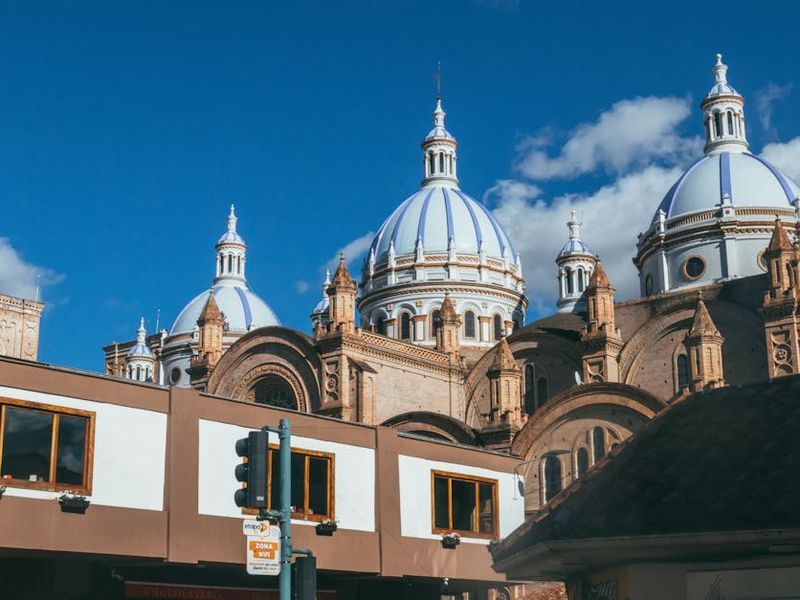
Cuenca sits high in the southern Ecuadorian Andes at about 2,560 meters (8,400 ft), and that elevation shapes everything visitors experience: daily temperature swings, intense sunlight, and a rhythm of wet and dry months that affects hiking, photography and festivals. Choosing when to visit can mean the difference between clear skies over the city’s blue-domed cathedral and muddy trails in Parque Nacional Cajas.
Quick climate overview
Broadly, Cuenca has two seasonal patterns: a drier season (roughly June through September) and a wetter season (roughly October through May). Days are often mild year-round — average daytime highs hover near 18–21°C (64–70°F) — while nights can drop into the single digits Celsius (45–50°F). Because Cuenca is near the equator, you’ll have close to 12 hours of daylight most days, but weather can change quickly, especially in nearby high-altitude parks.
Microclimates and what they mean
The term “microclimate” is important in the highlands. Within an hour’s drive you can pass from the mild, well-watered river valleys surrounding Cuenca to the wind-scoured, cold plateaus of El Cajas National Park. This variability makes Cuenca a great base for diverse day trips — but pack layers and be ready for sudden rain.
Who should visit when: travel styles and timing
Your priorities (hiking, festivals, budget, photography) should guide your timing. Below is a practical month-cluster breakdown with pros and cons tailored to common traveler types.
January–February: Lush landscapes and fewer crowds
Pros: After the December holidays, the city quiets down and the countryside is emerald green. This period is good for travelers who prefer fewer tourists and don’t mind occasional rain. Hotel rates can be reasonable.
Cons: Short, intense showers are common and trails in Cajas may be muddy. Some seasonal tours reduce frequency.
March–May: Peak rainfall, cultural intensity
Pros: Festive religious processions (Semana Santa/Holy Week) and local markets are in full swing. The countryside is vibrant and agrarian life is very active — great for culture-focused visitors and photographers who like lush scenes.
Cons: March through May tends to be the wettest stretch; expect many rainy afternoons, and long mountain hikes may be unpleasant. This is a shoulder season for airfares and some accommodations.
June–September: Best months for hiking, birding and clear skies
Pros: The dry season brings more sunny days and more predictable weather – ideal for hiking in El Cajas, day trips to the surrounding markets and birdwatching. This is high tourist season, especially in July and August when Northern Hemisphere summers push more visitors south.
Cons: Prices for guided excursions and hotels can rise, and popular attractions are busier. Book ahead for accommodations and popular tours.
October–December: Transition, festivals, bargain hunting
Pros: October is a quieter shoulder month, and early November brings Cuenca’s major independence celebrations (around November 3), which include parades, music and local food stalls. Late November and December can be busy with holiday travel but still offer chances for lower off-season prices earlier in the month.
Cons: October and November often see more rain than mid-year months. If you’re visiting for hiking, stick to the driest days and check trail conditions.
Festivals and local events worth timing your trip for
If experiencing local culture is a priority, time your visit around key celebrations. The biggest civic celebration in Cuenca is the Independence anniversary in early November, when parades, concerts and civic events fill the historic center. Holy Week (Semana Santa), which falls in March or April depending on the liturgical calendar, is observed widely with religious processions and traditional cuisine. These events draw crowds, so expect higher occupancy in hotels and busier streets.
Activities by season
Match activities to seasons for the best experience:
- Hiking & birding: June–September (dry, clear trails, easier visibility for photography)
- Cultural festivals & markets: March–May (Semana Santa) and early November (Independence); year-round artisan markets in Gualaceo and Chordeleg
- Photography: June–September for crisp skies; rainy months produce dramatic clouds and saturated colors for moody shots
- Budget travel: March–May and October (lower rates, but expect showers)
- Seniors and slower travelers: Consider late dry-season months (September–early November) for milder trails and ample cultural programming
Day trips and how season affects them
Cuenca is a hub for several memorable day trips. Keep seasonal conditions in mind to choose the best excursions.
El Cajas National Park
Distance: ~30–40 km west of Cuenca. Elevation: up to 4,400 m.
Best time: Dry season (June–September) for access to hiking trails and clearer lakes. In the wet season, expect icy winds and muddy paths; bring warm, waterproof gear even on sunny days.
Gualaceo and Chordeleg (artisan towns)
Distance: 30–50 km southeast.
Best time: Year-round but easier to explore in the dry months. The artisan markets and silver shops are always active; rainy days are still fine because many shops are covered.
Hot springs and thermal baths
Nearby thermal baths are welcome in cooler, wetter months. Many visitors deliberately schedule a chillier day after hiking for a soak in natural springs — perfect in April/May or late October when the weather turns cooler.
Practical travel tips for timing your visit
Here are concrete tips to get the most from your trip:
- Book early for June–August: Hotels and guided tours book up in the dry season. If visiting then, reserve at least 6–8 weeks ahead for popular boutique hotels in the historic center.
- Check festival dates: Public and religious holidays affect opening hours for government offices and some shops. Independence week in early November is lively but crowded.
- Watch the weather report for El Cajas: Temperatures and conditions there can be drastically different from Cuenca city center; even in June you’ll want warm layers for high-elevation hikes.
- Flights and buses: Cuenca’s Mariscal La Mar Airport (CUE) has domestic connections, and buses to Guayaquil and Quito run frequently; during holidays expect fuller buses and more limited flight inventory.
Packing checklist tailored to Cuenca’s seasons
Regardless of when you go, layers and sun protection are essential. Here’s a practical checklist:
- Lightweight, waterproof jacket (and small umbrella)
- Warm mid-layer (fleece or light down) for nights and Cajas
- Good walking shoes with grip for cobblestones and trails
- Sun hat, sunglasses and broad-spectrum sunscreen (high UV at altitude)
- Quick-dry clothing and a daytime pack for hikes
- Reusable water bottle (stay hydrated to help with altitude)
- Medication for common ailments; consult a clinician about altitude medication if you are susceptible
Health and acclimatization at 2,560 m
Cuenca’s altitude is moderate compared with higher Andean cities, but visitors can still feel effects such as mild headache, shortness of breath, or difficulty sleeping. To acclimatize:
- Take your first 24–48 hours easy — avoid strenuous exercise.
- Drink plenty of water and eat lightly. Avoid heavy meals and excessive alcohol on day one.
- If you plan a high-elevation trek in El Cajas (3,000–4,000 m), spend an extra day in Cuenca before heading up.
- Talk to a healthcare provider if you have heart or lung conditions; medications like acetazolamide are sometimes prescribed for prevention, but only use under medical guidance.
Safety, money and local tips
Cuenca is widely regarded as one of Ecuador’s safer cities for travelers, but petty theft happens. Practical safety tips include using hotel safes for your passport and extra cash, not flashing expensive gear, and staying aware on isolated streets at night. Ecuador uses the US dollar, which simplifies budgeting for many international visitors. Tipping is modest — around 10% in restaurants if service is not included.
Where to stay by season and neighborhood
Your neighborhood choice should reflect why you’re visiting. For first-time visitors who want easy access to sights and festivities, the historic center around Parque Calderón and the Tomebamba riverfront (Barrio El Barranco) are ideal. If you want quieter residential streets but still near cafes and parks, consider San Sebastián. For longer stays, many expats rent apartments in neighborhoods that balance local life and modern amenities.
Final recommendations
If you want the most straightforward, dry-weather experience for hiking, photography and outdoor adventures, aim for June through September. If your priorities are cultural immersion, lower prices and verdant landscapes, plan for March–May or October. For festival atmosphere and civic celebration, book around early November.
Whichever season you choose, Cuenca rewards visitors with colonial charm, a relaxed pace of life, and easy access to Andean nature. With a little planning — the right clothing, a flexible itinerary and attention to local events — you’ll find that the best time to visit Cuenca is the time that matches the experiences you most want to have.
Safe travels and enjoy the blue domes, cobbled streets and mountain panoramas of Ecuador’s southern highlands.
Adam Elliot Altholtz serves as the Administrator & Patient Coordinator of the “Smilehealth Ecuador Dental Clinic“, along with his fellow Expats’ beloved ‘Dr. No Pain‘, right here in Cuenca, Ecuador, and for purposes of discussing all your Dental needs and questions, is available virtually 24/7 on all 365 days of the year, including holidays. Adam proudly responds to ALL Expat patients from at least 7:00am to 9:00pm Ecuador time, again every single day of the year (and once more even on holidays), when you write to him by email at info@smilehealthecuador.com and also by inquiry submitted on the Dental Clinic’s fully detailed website of www.smilehealthecuador.com for you to visit any time, by day or night. Plus, you can reach Adam directly by WhatsApp at +593 98 392 9606 -or by his US phone number of 1‐(941)‐227‐0114, and the Dental Clinic’s Ecuador phone number for local Expats residing in Cuenca is 07‐410‐8745. ALWAYS, you will receive your full Dental Service in English (NEVER in Spanish), per you as an Expat either living in or desiring to visit Cuenca by your Dental Vacation, plus also to enjoy all of Ecuador’s wonders that are just waiting for you to come arouse and delight your senses.