
Table of Contents
Why timing matters in Cuenca
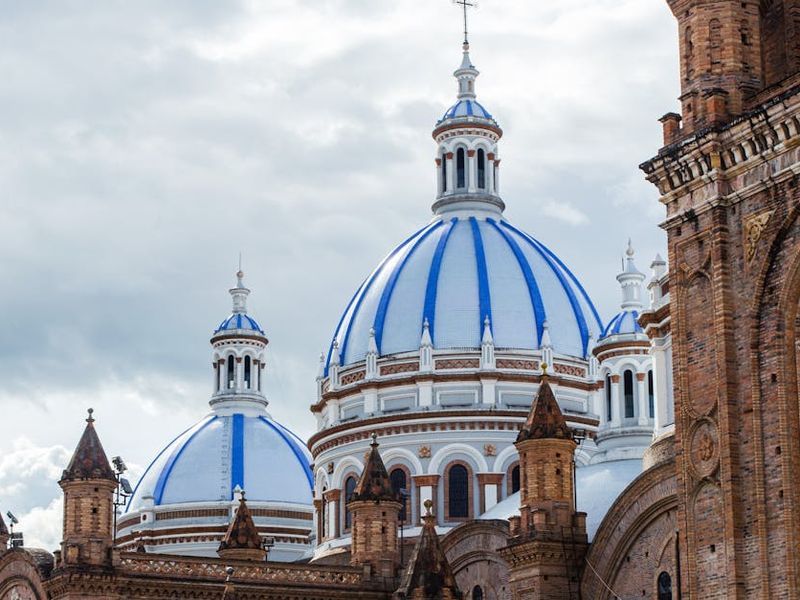
Cuenca, Ecuador’s elegant highland city, charms visitors year-round with pastel-colored buildings, the blue-domed cathedral, and access to Andean landscapes. But the experience you get—sunny hikes in El Cajas, lively festivals in the historic center, or quiet museum visits—depends heavily on when you travel. Unlike temperate climates, Cuenca’s seasons are defined more by wet and dry months and by local celebrations than by dramatic temperature swings. This guide helps you choose the right month for your priorities: photography, trekking, culture, or avoiding crowds.
Cuenca at a glance: climate, altitude, and rhythms
At roughly 2,560 meters (about 8,400 feet), Cuenca enjoys mild temperatures year-round. Daytime highs commonly sit between 18–22°C (64–72°F) and nights can drop into the single digits Celsius (mid-40s Fahrenheit). The city’s weather is influenced by the Inter-Andean Valley microclimate—this means quick changes are normal: a sunny morning may give way to an afternoon shower, especially in wetter months.
For planning, think in two broad seasons: a drier season (June–September) and a wetter season (October–May), with local climate quirks and festival peaks layered on top.
Best months for clear skies and outdoor adventures: June–September
If your priority is hiking, birdwatching, and crisp mountain views, aim for June through September. These are Cuenca’s driest months, offering clearer skies and less afternoon rain—perfect for day trips to El Cajas National Park, photographing the city from Turi, or taking long walks along the Tomebamba River.
June–August also coincides with a modest tourism peak. Expect fuller hotels, especially around long holiday weekends, and slightly higher prices. Book ahead for popular guided treks and small, boutique hotels in the historic center.
What to pack and expect
- Layers: warm morning jackets and lighter shirts for sunny afternoons.
- Good hiking boots and a warm hat—higher trails can be windy and chilly.
- Sun protection: UV is stronger at altitude—sunscreen and sunglasses are essential.
When culture takes center stage: November and Easter
Two times of year bring the city’s cultural energy into full view: early November and Holy Week (Semana Santa), whose date varies by year. Early November centers around the city’s independence celebrations on November 3—expect parades, civic events, and a festive atmosphere. If you love local traditions, processions, and live music, November is an excellent choice.
Semana Santa (the week before Easter) fills the historic center with religious ceremonies, artisan markets, and special church services. Many Ecuadorians travel during this week, so hotels and restaurants can be busier and some smaller businesses close—plan and book ahead.
Off-season advantages: October–May (and why you might love the rain)
Homespun markets, quieter streets, and lower prices are the hallmarks of the rainy season. From October through May you’ll likely encounter afternoons with showers, heavier in March through May. But these months are rewarding for travelers who prefer fewer tourists, slower museum lines, and discounted accommodation.
Photography can be atmospheric during light rain—wet cobblestones and moody skies photograph beautifully around Parque Calderón and the cobbled lanes of San Sebastián. If you’re flexible with daily plans and enjoy local life more than constant sunshine, the wet season can be a wonderful time to visit.
Month-by-month breakdown: what to expect
Use this quick month guide to match Cuenca’s rhythms to your travel goals.
- January–February: Transitional months with regular showers, but also Carnaval (dates vary), which brings colorful local celebrations. Good for avoiding crowds and enjoying cheaper rates.
- March–April: Rain increases; Semana Santa often falls in this window. Cultural attractions buzz during Holy Week—book early if you go then.
- May: Showery but less crowded than peak season; good for bargain hunting on accommodations. Trails may be muddy in some areas of El Cajas.
- June–August: Driest, sunniest months—best for trekking, lake visits, and clear city panoramas. Expect more tourists and slightly higher costs.
- September: A quieter version of the dry season with many clear days—perfect for photographers and birders who want fewer crowds.
- October: Weather shifts toward wetter conditions; early October can still be pleasant, but rain becomes more frequent as the month progresses.
- November: Independence celebrations on November 3 provide great cultural immersion. The weather is variable; pack a rain layer and enjoy the festivities.
- December: Festive season with local holiday markets. Rain can be intermittent; urban nightlife and restaurants are lively around the holidays.
Popular day trips and how season affects them
Cuenca makes an excellent base for exploring the southern highlands. Here’s how seasons impact a few classic trips:
- El Cajas National Park — Best visited in the dry months for clear lake reflections and uninterrupted hiking. Wet season brings fog and boggy trails, but it’s also quieter and lush.
- Ingapirca — Ecuador’s most important Inca ruins are reachable as a day trip. Dry months make the archaeological site easier to explore, but cooler mornings are common.
- Gualaceo and Chordeleg — For handicrafts and weaving, these markets operate year-round. Rainy afternoons won’t stop shopping, but plan indoor activities just in case.
- Turi viewpoint — Clear, dry mornings are ideal for panoramic shots of the city. Sunrise and sunset are spectacular during the dry season.
Health, altitude, and practical travel tips
Cuenca’s altitude may affect some travelers. Typical symptoms (headache, mild fatigue, shortness of breath) are usually manageable if you acclimatize slowly. Spend your first day or two taking easy walks, staying hydrated, and avoiding heavy exertion. If you have cardiovascular or severe respiratory conditions, consult a doctor before traveling.
Other practical tips:
- Currency: Ecuador uses the US dollar. ATMs are plentiful, but carry small bills for markets and taxis.
- Water: The city water is treated; many expats drink it without issues. If you’re sensitive, use bottled water or a filter initially.
- Safety: Cuenca is one of Ecuador’s safer cities, but normal precautions apply—don’t flash valuables and use licensed taxis late at night.
- Connectivity: Wi‑Fi is common in hotels and cafés; bring a local SIM if you need consistent data for maps or travel apps.
Where to stay depending on season and style
Choosing a neighborhood can enhance your experience. The historic center (El Centro) puts you within walking distance of major sights, ideal during busy months when minimizing travel time is key. If you prefer quieter evenings and green views, consider San Sebastián or the residential areas near Parque de la Madre. For longer stays, expat-favored neighborhoods like El Vergel or Huaynacapac offer apartment rentals and easy market access.
During June–August and holiday seasons, book earlier. In the rainy, low-season months you can often negotiate better weekly or monthly rates if you plan to stay longer.
Photography, nature watching, and festival photography tips
For photographers, the dry season gives the most reliable light and dramatic mountain backdrops. Sunrise from Turi or the cathedral domes offers beautiful warm light; bring a wide-angle lens for cityscapes and a telephoto for birds in El Cajas.
Festival photography requires sensitivity—always ask before taking close-up photos of people, especially during religious ceremonies. For birdwatchers, early mornings are prime; many hummingbird species are active year-round at feeders and in gardens.
Final recommendations: pick your flavor of Cuenca
Cuenca is one of those destinations that rewards repeat visits across seasons. If you want the most outdoor-friendly weather, schedule your trip between June and September. If you’re after culture and local celebrations, November and Semana Santa offer unforgettable experiences. And if you prefer fewer crowds and better deals, the rainy months can be both atmospheric and practical.
Ultimately, Cuenca’s charm—its plazas, terraces, and friendly streets—shines through in any month. With a little planning around weather and festivities, you can match your travel goals to the best time to visit and enjoy everything this highland jewel has to offer.
Quick checklist before you go
- Check festival dates (Semana Santa and November 3) and book accommodations in advance if traveling then.
- Pack layered clothing and a reliable rain jacket year-round.
- Allow 24–48 hours to acclimatize to the altitude; plan light activity on arrival day.
- Book El Cajas excursions in the dry season for best views; consider guided tours if you’re hiking remote trails.
- Carry small USD bills for markets; confirm opening hours for museums and churches during holidays.
With thoughtful timing, Cuenca reveals countless facets: misty afternoons that feel like stepping into a painting, sunlit market mornings full of color and aroma, and festive streets where history and modern life meet. Choose the season that matches your interests, and let Cuenca’s timeless streets do the rest.