
Table of Contents
Why timing matters in Cuenca
Cuenca sits high in the Andes at about 2,560 meters (roughly 8,400 feet). That elevation gives it an agreeable, springlike climate year-round, but the pattern of rainy vs. dry months, local festivals, and peak tourism seasons all shape how you’ll experience the city. Choosing the right time to visit can mean fewer downpours on your hikes, better birdwatching, or the chance to join colorful cultural events.
Quick climate snapshot
Expect mild days and cool nights. Typical daytime highs average around 18–20°C (64–68°F), while nights can drop into the single digits Celsius (roughly 45–50°F). The Andes’ sunlight is strong because of the altitude, so sun protection is essential even on cool mornings. Rainfall tends to be concentrated in certain months, so packing a light waterproof layer and warm sweater is good advice any time of year.
The two basic seasons: what to expect
Ecuador’s highlands are commonly described with two broad seasons: a wetter season and a drier season. The dry months are usually June through September — these are generally sunnier and bring crisp mornings. The wetter stretch runs roughly from December through April with frequent afternoon or evening showers, and the transition months (May and October–November) can be unpredictable, offering pockets of excellent weather mixed with surprise rain.
Month-by-month travel advice
To help you choose, here’s a practical month-by-month breakdown of what Cuenca is like and what’s best to do during each period.
January – March: Lush landscapes, occasional heavy rains
This period often brings the heaviest rains of the year in the highlands. Trails in Cajas National Park can be muddy or closed after intense storms, but the countryside is at its greenest and rivers are full. If you don’t mind a few showers, January–March can be a great time for lower hotel rates and quieter streets in the old town. Museums like the Museo Pumapungo and cozy cafés are ideal when the weather is damp.
April – May: Transition months with more stable weather
April can still be wet, but by May things start to calm and the landscape remains beautifully green. Birdwatchers begin to see more activity, and hikes become more reliable. Traveler crowds are generally low before the mid-year tourism bump, making this a sweet spot for budget-conscious visitors who want reasonable weather and pleasant scenery.
June – August: High season — drier skies, more tourists
These are arguably the most popular months to visit Cuenca. The skies clear more often, making it perfect for day trips to El Cajas National Park, panoramic shots from Turi viewpoint, and sipping coffee on terraces in the historic center. Because of higher demand, prices for hotels and tours tend to rise, and popular attractions are busier. If you plan on hiking or birdwatching, this is the most reliable window for dry trail conditions.
September – October: Shoulder season with warm days
September can feel like a continuation of the dry season with warm afternoons, and October starts to show the first signs of returning rains. This shoulder period combines generally pleasant weather with fewer tourists than July and August. It’s a good time to explore artisan towns like Chordeleg (known for filigree jewelry) and Giron for historic charm without big crowds.
November – December: Festivals and a mix of weather
Late October through November is a transitional time and can be unpredictable — sunny mornings followed by sudden showers are common. However, these months often feature civic and religious celebrations in Cuenca, making it a culturally rich time to visit if you don’t mind variable weather. December brings holiday travel and more visitors around the Christmas–New Year period, and prices and occupancy can increase accordingly.
What to do in each season
Visitors come to Cuenca for variety — colonial architecture, museums, markets, nearby ruins, and nature. Here are activities that pair well with each season:
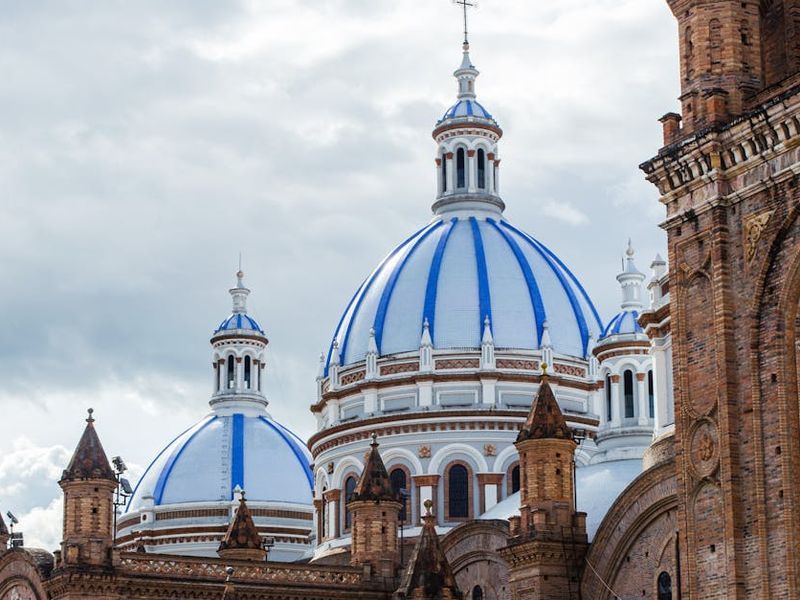
- Dry season (June–August): Full-day hikes in Cajas, longer day trips to Ingapirca ruins, birdwatching, open-air photography of the blue-domed cathedral, and exploring outdoor markets.
- Wet season (Dec–Apr): Museum days at Museo Pumapungo, artisan shopping in covered markets, enjoying Cuenca’s café scene, and shorter nature walks in lower-elevation cloud forests.
- Shoulder months: Take advantage of fewer crowds for guided cultural tours, culinary experiences, and weekend escapes to nearby towns like Chordeleg and Giron.
Festivals and cultural highlights — plan around them
Cuenca’s calendar includes religious observances, civic celebrations, and smaller local fairs. Semana Santa (Holy Week around Easter) is widely observed and draws local visitors; many businesses close on major religious days. The period around late October and November often features civic festivals and parades with traditional music and food. If you want to experience local culture, timing a visit to coincide with these events is rewarding — just book accommodation early and expect crowds in the historic center.
Packing tips for the Cuenca climate
Packing for Cuenca is all about layers and preparedness. Here’s a practical checklist:
- Light to mid-weight layers (T-shirts, long sleeves, fleece or sweater)
- Waterproof shell or compact umbrella for afternoon showers
- Sun protection: brimmed hat, sunglasses, and SPF 30+ sunscreen
- Sturdy walking shoes with some tread for cobblestones and trails
- Small daypack with a reusable water bottle and snacks
- Medication and basic first-aid items; altitude headaches are uncommon at Cuenca’s elevation but possible — bring whatever works for you
Practical travel tips: getting there and around
Cuenca’s José María Velasco Ibarra Airport (often referred to by its historic name, Mariscal La Mar, airport code CUE) has regular domestic flights from Quito and Guayaquil. Long-distance buses are comfortable and a budget-friendly way to reach Cuenca from other cities — Guayaquil is about 3.5–4 hours by bus, Quito roughly 8–10 hours depending on the route.
Within the city, the historic center — with the New Cathedral and Parque Calderón — is compact and walkable. Taxis are inexpensive, and apps or local radio taxi services can be useful for late-night rides. If you’re planning multiple day trips, consider renting a car for flexibility but be prepared for narrow streets in older neighborhoods.
Where to stay depending on the season
Most visitors choose accommodations in the Centro Histórico for proximity to Cuenca’s main sights, restaurants, and nightlife. During high season, boutique hotels and guesthouses fill up, so book ahead. If you prefer quieter evenings and greener surroundings, neighborhoods on the city’s edges or small guesthouses near the Yanuncay river offer pleasant alternatives. In the wet season, prioritize lodgings with good heating options and secure covered parking if you’re renting a car.
Outdoor adventures: best windows for nature
El Cajas National Park, a high-elevation mosaic of páramo, lakes, and trails, is a highlight for many visitors. The best conditions for day hikes and photography are usually in the dry months of June–September. Birdwatchers will find migrating and resident species year-round; however, clearer skies and drier trails make spotting and reaching diverse habitats much easier in the dry season. For lower-elevation cloud forest and river walks, the shoulder months can be ideal—green but manageable.
Money, safety, and health basics
Ecuador uses the U.S. dollar, which simplifies currency concerns for many travelers. Cuenca is considered one of Ecuador’s safer cities, but standard precautions apply — watch your belongings in crowded markets and avoid poorly lit streets at night. Healthcare in Cuenca is good, with private clinics available; travel insurance that includes medical evacuation is recommended for international visitors. Routine vaccinations should be up to date; yellow fever vaccination is typically recommended only if you plan to travel to lower-elevation Amazon regions.
Photography and timing your days
Because of Cuenca’s latitude near the equator, light changes quickly. Aim for early mornings for clear skies and crisp light, especially when shooting the cathedral domes, colonial streets, or the sweeping valley views from Turi. Afternoon showers can roll in quickly in wetter months, so carrying a lightweight rain cover for your camera is smart. If you plan on getting landscape shots in Cajas, start hikes early in the morning before clouds build.
Final tips for choosing the best time
Pick June–August if you want the most reliable dry weather for outdoor adventures and don’t mind higher prices and more tourists. Choose May or September–October for a good compromise: decent weather, fewer visitors, and often better rates. If your priority is lower costs and greener scenery, the rainy season’s December–April months can be appealing — just plan indoor activities and flexible schedules.
Above all, Cuenca rewards curiosity any time of year. With a rich colonial center, excellent museums, nearby archaeological ruins like Ingapirca, artisan towns, and magnificent Andean landscapes, you can tailor your visit to match the season and your interests. Whether you arrive under a brilliant blue sky or after a dramatic mountain rain, Cuenca’s culture, food, and friendly streets make it easy to fall in love with this highland city.
Ready to map out your ideal Cuenca trip? Consider what matters most — dry weather for hiking, festivals for cultural immersion, or quiet days in cafés — and let the month-by-month guide steer your timing.