
Table of Contents
Why timing matters in Cuenca
Cuenca sits in Ecuador’s southern highlands at about 2,560 meters (roughly 8,400 feet). That elevation gives the city its famously mild, often spring-like climate year-round, but subtle seasonal shifts still affect rain, daylight, festivals and outdoor activities. Picking the right time to visit shapes everything from hiking Cajas National Park to strolling the cobblestone historic center and timing your budget.
Quick climate snapshot
Cuenca’s weather is defined more by a wet-dry rhythm than by hot and cold. Generally:
- Dry season: June through September. Clear skies and cooler nights make this the sunniest interval.
- Wet season: October through May. Expect regular afternoon showers and cloudier days, with the heaviest rains often in March–April.
Average daytime temperatures hover around 18–21°C (64–70°F). Nights can drop to single digits Celsius (mid-40s°F), so layers are essential whether you visit in the wet or dry season. The high altitude also means strong UV — sunscreen and sunglasses are year-round necessities.
Month-by-month planning: what each month offers
January – Good for lower prices and fewer crowds
January is still inside the wetter half of the year, but rainfall is variable. The city is calm after the holiday season, and hotels often have attractive rates. Trails around Cajas can be muddy, but the landscape is lush and vibrant — great for landscape photographers who don’t mind soft light.
February – Lush landscapes and birdwatching
February can be one of the rainier months, yet it’s excellent for birdwatchers. Migratory and resident species are active, and the higher moisture makes páramo and cloud-forest habitats sing. If you plan to explore places like El Cajas or hunt for hummingbirds, bring waterproof gear and expect afternoon showers.
March–April – Peak rainfall; dramatic skies
These months often bring the heaviest showers. Riverside walks by the Tomebamba can be dramatic and moody, and waterfall flows are at their fullest. Museum visits, café-hopping, and the city’s many indoor cultural attractions are ideal when the weather turns wet.
May – Transition month, fewer tourists
As the wet season eases, May offers a mix of sunny days and lingering showers. Hotel prices are still reasonable and the urban bustle begins to pick up prior to the dry season. Late May is a good time for bargain hunters who also want decent hiking days.
June–September – Sunniest stretch and outdoor adventures
This is Cuenca’s clearest and driest window. Blue skies, bold views of surrounding mountains, and crisp evenings make these months ideal for hiking Cajas, touring the ruins at nearby Ingapirca, and photographing the city’s iconic blue-domed cathedral under perfect light. Expect more tourists and higher prices, especially in July and the first half of August.
October–November – Shoulder season with festivals
Rain returns in October but is often less intense than the peak months earlier in the year. November can feature cool, pleasant days interspersed with showers. Importantly, November 3 is Cuenca’s Independence Day — a lively time to experience local parades, food stalls, and cultural celebrations. If you enjoy city festivals, plan around this date but book accommodation early.
December – Festive season and busy streets
December brings a festive atmosphere, with Christmas lights, markets and more visitors. Rainfall can be variable; evenings can be unexpectedly cool. If you want the city’s holiday energy — markets, nativity scenes and lively plazas — this is a charming time to come, but be ready for higher prices and crowded restaurants.
Events and when to time your visit
Cuenca’s calendar is punctuated by religious festivals, civic celebrations and local markets. Semana Santa (Holy Week) is observed across Ecuador in March or April and draws local pilgrims and visitors. Independence Day celebrations in early November offer parades, music and food stalls. Holiday periods (late December through early January) bring gatherings and decorations but also busier transport and higher prices.
Outdoor activities: best seasons for each
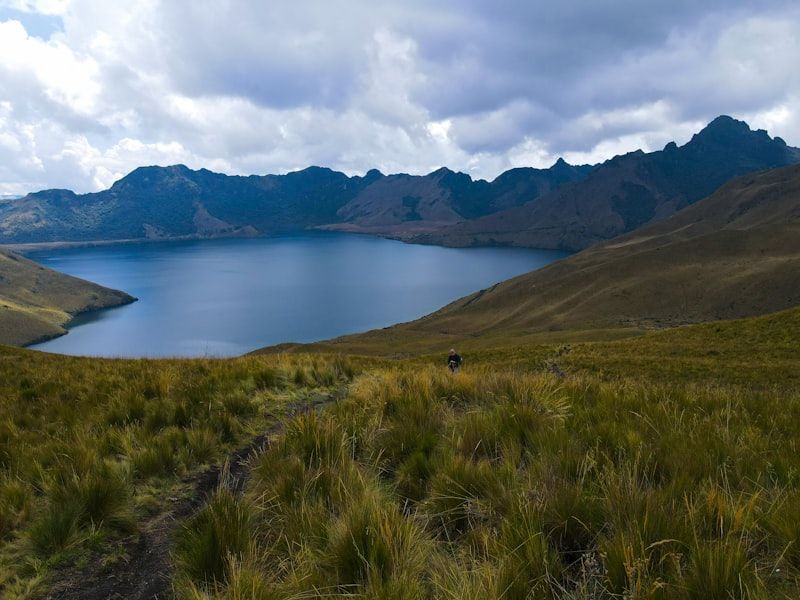
- Hiking Cajas National Park: June–September for clear trails and long vistas; bring a windproof layer as it can be cold and blustery.
- Birdwatching: October–May can be better for some migratory species, but early morning visits and damp conditions year-round yield good sightings.
- Walking the historic center: Dry months provide the most comfortable strolls, but the city is beautiful year-round and the rain can make colors pop for photography.
- Photography: Golden light and crisp skies in June–September; softer, richer colors after rains in the wet months.
Practical travel tips for any season
Use these tips regardless of when you travel:
- Pack layers: lightweight base layers, a fleece or sweater, and a waterproof shell. Nights are cooler than days.
- Sunscreen and a wide-brimmed hat are essential. UV levels at altitude are high even on cloudy days.
- Good walking shoes: many historic streets are cobblestone and uneven.
- Cash and cards: Ecuador uses the US dollar; most places accept cards but small vendors and markets are cash-only.
- Altitude awareness: Cuenca’s elevation is moderate. Most visitors acclimatize quickly; hydrate, take it easy the first day, and avoid heavy exertion if you feel short of breath.
- Tap water: treated and generally safe, but if you’re sensitive, choose bottled or filtered water at first.
Where to stay depending on season
Cuenca has a compact, walkable center and quieter residential barrios. During high season (June–September and mid-December), stay near Parque Calderón or along the Tomebamba for easy access to attractions and evening dining. If you prefer quieter nights and lower rates, explore accommodation in San Sebastián, El Vergel, or northwest areas of the city — still safe and accessible by short taxi rides.
Getting to Cuenca and moving around
Cuenca’s Mariscal La Mar Airport (CUE) has regular flights from Quito and Guayaquil. The longer, scenic bus routes remain popular and often cheaper — the trip from Quito is long but pleasant, while the route from Guayaquil is shorter. Once in the city, Cuenca is highly walkable. Taxis are affordable — confirm the fare or use a registered company — and there are small buses for longer trips. If you rent a car, be prepared for narrow streets and limited parking in the historic center.
Budget considerations by season
The wet season tends to be cheaper for travel and lodging, especially in March, April and May. If saving money is a priority, aim for late May or early October for good compromises between price and weather. Peak months like July and December often see room rates climb. Booking ahead for Independence Day or holiday periods is wise.
Safety, health and local customs
Cuenca is one of Ecuador’s safest major cities, but normal precautions apply: avoid showing large amounts of cash, keep belongings secure in busy markets, and use registered taxis at night. Health-wise, pack altitude remedies if you’re sensitive and consider medication for motion sickness if traveling the winding mountain roads. Respect local customs — greet shopkeepers and hosts with a friendly buenos días or buenas tardes and be open to trying local foods like hornado (slow-roasted pork) and mote pillo (corn and eggs).
Sample itineraries by season
Short on time?
- 48 hours (any season): Morning walk through Parque Calderón, visit the New Cathedral with its blue domes, lunch near the Tomebamba, afternoon at the Museo Pumapungo, evening dinner in San Sebastián.
- 4–5 days (dry season ideal): Add a full-day trek in Cajas National Park, a half-day to the nearby town of Gualaceo for handicrafts, and a market morning at Mercado 10 de Agosto.
- 7+ days (wet or dry season): Combine Cuenca with a scenic bus trip to Ingapirca ruins, a multi-day birdwatching loop, and deeper exploration of artisan towns in the Paute valley.
Final recommendations: choose what matters most to you
If you want reliable hiking weather and clear, photographable skies, schedule your trip for June–September. If you prefer lower prices, fewer tourists and vivid green landscapes, travel in the shoulder and wet months — just pack for rain. For festival lovers, plan around early November and major religious dates like Semana Santa. And whatever month you pick, Cuenca’s welcoming plazas, museums, markets and nearby mountain landscapes deliver—making it a rewarding destination year-round.
Packing checklist (season-neutral essentials)
- Layered clothing: short-sleeve base, warm mid-layer, waterproof outer layer
- Comfortable walking shoes and a small daypack
- Sunscreen, sunglasses, and a wide-brim hat
- Reusable water bottle and basic medications
- Cash (small bills) and cards, photocopy of passport
Cuenca’s combination of UNESCO-listed architecture, lively markets and immediate access to highland scenery makes it an easy-to-love destination any time of year. Your best time to visit depends on whether you prioritize sun and hiking, festivals and culture, or quiet streets and savings — and each season produces a distinctive, rewarding side of this highland gem.