
Table of Contents
Why Cuenca Is the World’s Top Choice for Dental Tourism
If you’re searching for the best place to get dental implants, crowns or veneers without breaking the bank, Cuenca, Ecuador deserves a hard look. This UNESCO-listed colonial city offers dramatic cost savings—commonly 60–70% less than comparable treatment in the United States or Canada—while delivering care from internationally trained dentists working in modern clinics with cutting-edge technology. Add short wait times, highly personalized one-on-one service, and a beautiful, restorative setting for recovery, and dental tourism in Cuenca becomes more than a bargain: it’s an unbeatable value.
Best Time of Year: Avoid Rainy Days, Maximize Recovery
Cuenca’s highland climate is remarkably mild year-round, but timing your dental trip can improve comfort and recovery. The most reliable window for drier weather and clear skies is June through September. During these months you’ll typically experience fewer afternoon showers, cooler sunny days and more predictable conditions—ideal for traveling between clinic appointments, enjoying outdoor recovery walks, and scheduling clear-healed photos for before-and-after documentation.
Why the Dry Season Matters for Dental Recovery
Less rain doesn’t just make sightseeing more pleasant. It reduces the chance of travel delays for follow-up visits, keeps your recovery routine simple, and means you can relax outside in parks and plazas to help with healing. Swelling, a normal part of implant and oral surgery recovery, improves with gentle movement and fresh air—both abundant in Cuenca’s dry months.
Alternate Months: Flexible Options and Fewer Tourists
If you can’t take time off during the peak dry season, consider visiting in late May or October. These shoulder months often balance lower tourism crowds with reasonably good weather. Clinics in Cuenca are open year-round and accustomed to international patients, so you can still benefit from rapid scheduling and attentive aftercare outside the dry months.
Plan Your Trip: Arrival, Consultation, Procedure and Recovery Timeline
One of Cuenca’s greatest advantages is how efficiently clinics coordinate care. Typical dental vacation timelines are short but flexible, often designed to minimize time away from home while allowing proper healing.
Sample Itinerary for Implants or Full Cosmetic Work
- Day 0: Arrive at Mariscal Lamar International Airport (CUE) and settle into your hotel in the historic center.
- Day 1: Initial consultation, 3D imaging (cone-beam CT), treatment planning and scheduling. Most clinics provide translation and can arrange transfers.
- Day 2–4: Procedures such as extractions, bone grafts or implant placements. For complex cases, clinics coordinate staged appointments over 7–14 days.
- Day 5–14: Soft recovery period—light sightseeing in the city, gentle walks in parks and follow-up checks. Return visits for impressions and temporary restorations typically occur in this window.
- Day 30+: Final crowns, bridges or veneers are placed once healing is confirmed. Many clinics schedule this remotely or coordinate with a short return trip.
This streamlined approach means many restorative treatments can be completed in one trip or two short visits, unlike long wait times in many countries.
Cost Comparison: How Much Can You Save?
Price is the headline reason many patients choose Cuenca. Clinics here offer the same high-quality materials and modern prosthetics found elsewhere, but at dramatically lower prices. Typical savings quoted by patients range from 60% to 70% compared to Canada and the United States.
Examples to Illustrate Value
- Dental implant (including crown): In the US this can cost $3,000–$6,000 per tooth; in Cuenca similar work often ranges from $1,000–$2,000 depending on materials and complexity.
- All-ceramic crowns: Where North American prices may be $1,000–$1,500 per crown, Cuenca clinics commonly charge $250–$700.
- Porcelain veneers: Costs in Cuenca are frequently 60–70% below US/Canadian prices, making full smile makeovers financially accessible.
These figures vary by clinic and materials, but the consistent message is high-end results at a fraction of the cost—enabling many patients to upgrade treatment quality or address more teeth than they would at home.
Clinical Quality: Education, Technology and Personalized Care
Cuenca’s dentists train at top universities in Ecuador and often continue advanced training abroad. Many clinics use digital workflows—CAD/CAM systems, 3D cone-beam imaging, intraoral scanners and modern sterilization protocols—so your experience is comparable to premium practices worldwide. In addition, Cuenca’s clinics emphasize personalized care: expect longer consultations, one-on-one attention, and treatment coordinators who help coordinate travel, lodging and medication.
Short Wait Times and Coordinated Scheduling
Unlike larger medical tourism hubs where scheduling can be delayed for weeks, Cuenca dental clinics typically provide fast access. Once your treatment plan is confirmed, appointments are often available within days—ideal when you’re organizing a short, focused dental vacation.
Recovery in a Beautiful City: Why Cuenca Helps You Heal Faster
Cuenca’s colonial plazas, tree-lined rivers, and quiet neighborhoods create a calm atmosphere for recovery. The city sits at about 2,560 meters (8,400 feet) altitude, giving it a spring-like climate year-round with daytime temperatures commonly in the 60s–70s Fahrenheit (15–25°C). This gentle environment supports restful healing without the extremes of hot beaches or freezing mountains.
Accessible Nature and Gentle Activities
During your recovery days, you can stroll along the Tomebamba River, visit Parque Calderón or take a slow drive to Cajas National Park for fresh mountain air. These low-impact activities encourage circulation and well-being without stressing oral surgical sites. Plus, Cuenca’s vibrant food markets and cafés offer nutritious local cuisine—perfect for a soft diet after dental work.
Combining Tourism and Treatment: Smart Vacation Options
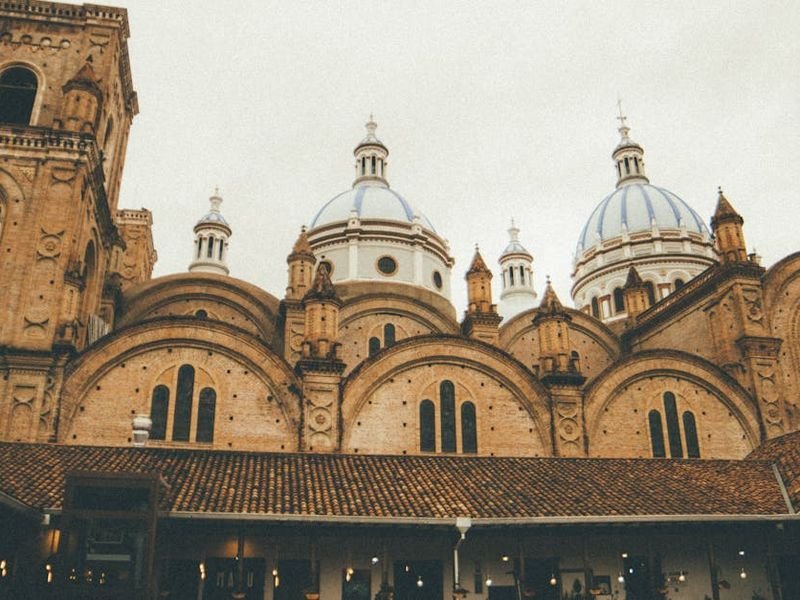
Cuenca makes a great base for mixing dental appointments with sightseeing. Spend mornings on clinical visits and afternoons exploring. Highlights include the historic cathedral, artisan markets in Chordeleg and Gualaceo (great for souvenir shopping), and short cultural day trips to the Inca ruins at Ingapirca. Many patients report that having a relaxed itinerary—scheduling low-key cultural activities between appointments—improves the overall dental vacation experience.
Choosing the Right Clinic: What to Look For
Selecting a clinic is a key step and should be based on credentials, communication and patient support. Good clinics offer:
- Transparent treatment plans with digital imaging and written estimates.
- Photos of past work and patient testimonials—especially before-and-after images for implants, crowns and veneers.
- English-speaking staff or translation services, airport transfers, and help with lodging.
- Clear aftercare instructions and the ability to handle complications or coordinate with your local dentist for follow-ups.
Ask about implant brands and ceramic materials; many clinics use internationally recognized systems and labs that deliver reliable, long-lasting results.
Practical Tips for a Smooth Dental Vacation
Being prepared will make your trip easier and safer. Consider these practical tips:
- Arrive 48–72 hours before major surgery to acclimatize to altitude and complete pre-op consultations.
- Bring current dental records and X-rays if possible; clinics can perform new imaging, but prior records speed planning.
- Pack medications you commonly use and ask the clinic about antibiotics, pain meds and mouth rinses they’ll prescribe post-op.
- Buy travel insurance that covers medical evacuation only if recommended; verify coverage for dental procedures if needed.
- Plan low-impact activities for the first week after surgical procedures—no heavy hiking or strenuous exercise until your dentist clears you.
- Choose comfortable, centrally located lodging near the historic center to minimize taxi rides and simplify follow-up visits.
Safety, Standards and Communication
Safety standards in reputable Cuenca clinics match international norms: modern sterilization, single-use disposables where appropriate, and digital records. Communication is often excellent—many clinics provide WhatsApp or email exchanges before arrival, video consultations for planning, and detailed aftercare documentation. Ask clinics for a written warranty or follow-up policy for prosthetics; many offer guarantees and long-term relationships with international patients.
Realistic Expectations: Healing, Follow-ups and Costs
Although cost savings are substantial, it’s critical to have realistic expectations about healing and logistics. Complex full-mouth reconstructions may require staged treatments or a short return trip to finalize prosthetics. Your dentist in Cuenca should provide a clear timeline for osseointegration (implant bone healing), provisional crowns during healing, and when final prosthetics will be placed. Factor in a modest contingency budget for follow-up visits or minor adjustments—this is commonly still far less than equivalent care at home.
Final Checklist: Book Smart, Travel Confident
Before you book your dental vacation to Cuenca, run through this checklist:
- Confirm clinic credentials, treatment plan and complete cost estimate.
- Schedule travel for the dry season if possible (June–September) to minimize weather disruptions.
- Plan to arrive a couple of days early to acclimatize to altitude and meet the team in person.
- Arrange comfortable accommodations near the historic center to simplify follow-up care.
- Understand post-op restrictions and plan low-key activities that promote recovery.
Conclusion: Why the Timing and Location Make Cuenca Ideal
Choosing Cuenca for dental tourism is both a practical and pleasurable decision. When you schedule your trip during the drier months, you not only reduce the chance of travel delays but also optimize your recovery in a mild, restorative environment. Add to that world-class dentists, modern clinics, short wait times, and huge cost savings—and you get a dental vacation that’s affordable, efficient and enjoyable. Whether you need a single implant or a full smile makeover, Cuenca offers an unbeatable combination of quality, value and healing scenery that makes it the best place in the world for dental tourism.
Start planning early, pick the right season, and you’ll return home with a healthier smile—and great memories from one of South America’s most charming cities.