
Table of Contents
Why Cuenca Is a Popular Choice for Dental Care
Cuenca draws long-term residents and medical tourists for many reasons: lower prices, skilled dentists trained locally and abroad, modern clinics in the historic city center, and a comfortable recovery environment. Compared with U.S. and Canadian fees, many dental procedures in Cuenca can cost 50–80% less, which makes restorative work, implants, and cosmetic dentistry approachable for expats on fixed budgets.
Overview of the Most Common Dental Procedures
Whether you’re a recent arrival or have lived in Cuenca for years, the dental services most frequently sought include preventive care, restorative treatment, cosmetic fixes, oral surgery, and orthodontics. Below are explanations of each procedure category and practical details you’ll want to know.
1. Routine Cleanings and Preventive Care
Routine checkups and professional cleanings (scaling and polishing) are widely available. Cleanings typically range from $20–$45 USD, depending on whether you need deep scaling for gum disease. Many clinics offer digital x-rays during the initial exam—panoramic or periapical films—to screen for cavities, bone loss, and other issues.
2. Fillings and Small Restorations
Composite (tooth-colored) fillings are standard. Expect to pay about $30–$80 per filling depending on size and tooth location. Dentists in Cuenca use modern materials, but always ask which composite brand will be used and whether occlusion (bite) adjustments are included in the price.
3. Root Canals (Endodontics)
Root canal therapy is common and can save teeth that would otherwise be extracted. Prices vary by tooth type: roughly $120–$250 for front teeth and $220–$450 for molars. Ask whether treatment will include a follow-up crown—many dentists complete the root canal and recommend a crown to restore strength, which adds to the total cost.
4. Crowns, Bridges, and Onlays
Crowns restore badly damaged teeth and bridge gaps when implants are not chosen. Costs range widely: $250–$700 per crown depending on material (porcelain-fused-to-metal tends to be less expensive than all-ceramic). Dental labs in Cuenca can usually fabricate crowns in 7–14 days; ask whether your clinic uses local or regional labs and whether temporary crowns are provided during fabrication.
5. Dental Implants
Implants are a major reason many expats travel to Ecuador for dental care. A single implant with a crown often costs between $900 and $2,000 USD in Cuenca, compared with much higher prices in the United States. Implant treatment timelines vary: a two-stage approach with 3–6 months for osseointegration is common, while some clinics offer immediate-loading implants when conditions allow.
6. Extractions and Oral Surgery
Simple extractions generally cost $30–$80. More complex surgical extractions, such as impacted third molars, may range from $80–$250. Many clinics offer sedation options (local anesthesia, conscious sedation, or nitrous oxide) for anxious patients—get a written estimate for sedation and aftercare fees.
7. Dentures and Partials
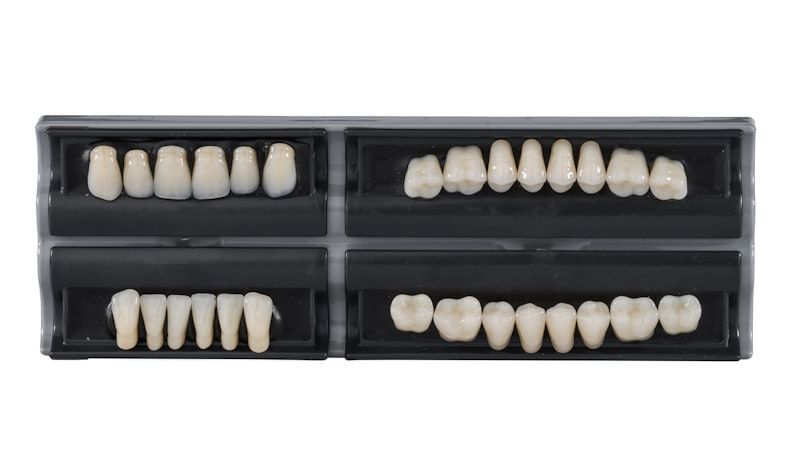
Complete dentures usually cost between $250 and $800 for a full set depending on materials and customization. Partials that attach to remaining teeth vary by design and can range from $200–$700. Many clinics include adjustments in a warranty period—confirm what’s covered before you commit.
8. Orthodontics and Clear Aligners
Traditional braces are available from about $800–$2,000 depending on treatment complexity. Clear aligner therapy tends to be $1,000–$2,800. Treatment durations mirror international standards; the languages of many orthodontists include English, which helps expat communication.
9. Cosmetic Services: Whitening and Veneers
In-office whitening runs about $120–$300. Porcelain veneers are pricier—typically $250–$700 per tooth. Ask for before-and-after photos, a detailed materials list, and a trial mock-up so you can preview shade and shape before committing.
How to Choose a Dentist in Cuenca
Choosing the right dentist is about more than cost. Use these practical steps to find a clinician who meets your needs and standards.
- Check credentials and registration with the Colegio de Odontólogos del Azuay; ask to see diplomas or specialist certificates.
- Request digital x-rays and a written treatment plan with itemized costs and timelines.
- Look for modern sterilization protocols—autoclaves, disposable barriers, and clear infection control signage.
- Read online reviews on Google and Facebook expat groups. Local expat communities are especially helpful for candid feedback.
- Ask about warranties: many clinics offer 1–5 year guarantees on work like crowns and implants if you return for regular checkups.
Practical Tips for Scheduling and Payments
Booking is often straightforward: many clinics in Cuenca use phone and WhatsApp for scheduling and sending photos. Typical office hours include mornings and afternoons; some clinics offer Saturday appointments for working expats. Payment methods vary—many accept cash in USD (widely used in Ecuador), credit/debit cards, and bank transfers. Ask about deposits, cancellation policies, and whether payment plans are available for higher-cost procedures.
What to Expect During Treatment and Recovery
Preparation and aftercare differ by procedure. For complex restorative work, expect several visits: diagnosis and x-rays, operative visits, impressions, and a final fitting. Implant patients should budget months for healing unless immediate protocols are appropriate. After extractions or implant placement, common aftercare includes short courses of antibiotics and pain control—ibuprofen and acetaminophen are commonly recommended. Plan for soft foods for a few days and follow rinsing instructions closely to prevent dry socket or infection.
Communicating Effectively with Your Dental Team
Language can be a barrier, but many dentists in Cuenca work with expats and speak English. Still, bring a Spanish-speaking friend if you’re uncertain. Prepare a list of questions ahead of time: which materials will be used, warranties, alternative options, and a clear timeline. If you have chronic conditions or take medications, bring an up-to-date medical list—this helps the dentist plan sedation and antibiotic choices safely.
Safety, Sterilization, and Quality Control
Modern Cuenca clinics generally follow international sterilization standards, but it’s smart to verify. Ask whether the office uses autoclaves, disposable suction tips, and single-use implants or components, and request to view sterilization records if you feel uncertain. For implants, inquire about the brand and whether they are original components—quality parts matter for longevity.
Dental Tourism and Combining Care with Travel
Many expats combine dental treatment with a comfortable stay in Cuenca’s pleasant climate. The Historic Center near Parque Calderón is convenient for tourists and appointments, while neighborhoods like El Vergel and Pinar offer quieter accommodations. If you plan longer procedures, arrange accommodation near your clinic and factor in follow-up visits. Keep emergency contact numbers, and make sure your travel or medical insurance covers complications if you’re visiting from abroad.
Costs Compared to Home: Realistic Expectations
Cuenca’s lower prices make many treatments affordable, but watch out for unusually low quotes that skip essential diagnostics or use inferior materials. A realistic approach is to compare several quotes, understand what’s included, and weigh the total value rather than just the lowest price. Many patients find that they can afford better-quality crowns or implant components in Cuenca than at home due to overall savings.
Aftercare and Long-Term Maintenance
Once treatment is complete, routine care is essential. Regular cleanings every 3–6 months, good at-home hygiene, and periodic x-rays keep restorations functioning longer. If you receive an implant or bridge, follow the dentist’s maintenance schedule and have any issues addressed promptly—early intervention prevents costly complications.
Final Checklist Before You Commit
- Obtain a written, itemized treatment plan and timeline.
- Ask for before-and-after photos or references for similar procedures.
- Confirm sterilization standards and warranty terms in writing.
- Understand the total number of visits and local recovery resources (pharmacies, labs).
- Plan for follow-up care if you’ll be leaving the area soon after treatment.
Cuenca offers a balanced combination of quality dental care, lower prices, and a pleasant living environment for recovery. With careful research and clear communication, expats can confidently navigate common dental procedures—from routine cleanings to implants—and get long-lasting, affordable results. Schedule consultations with more than one clinic, compare treatment philosophies, and choose the team that gives you confidence and a transparent plan.