
Table of Contents
Introduction: Why Cuenca for Dental Care?
Cuenca has become a popular destination for expats and medical tourists seeking high-quality dental care at lower prices than in the U.S. or Canada. With a growing number of clinics in the historic center and newer medical centers in surrounding neighborhoods, many dentists offer modern equipment, English-speaking staff, and materials that match international standards. This guide walks you through the most common dental procedures you’ll encounter in Cuenca, realistic cost and timeline expectations, and practical tips for navigating treatment as a resident or short-term visitor.
How Dental Care in Cuenca Compares to Home
Many expats report that dentists in Cuenca provide excellent technical work, often at a fraction of North American rates. Ecuador uses the U.S. dollar, which simplifies pricing. Dental labs in Cuenca frequently produce high-quality crowns and prosthetics, and several dentists trained in the United States, Europe, or at reputable Ecuadorian universities, provide services ranging from routine cleanings to implant surgery. Still, you’ll want to vet clinics carefully and get written treatment plans to avoid surprises.
Common Dental Procedures — What to Expect
Below are the procedures most visitors and residents seek. For each one, you’ll find a plain-language explanation, typical timeline, and practical tips specific to Cuenca.
1. Routine Cleaning and Oral Exam
A professional cleaning (prophylaxis) and thorough exam are the first step. Expect a cleaning, polishing, and fluoride application if needed, plus dental X-rays to check for cavities, bone loss, or hidden issues.
- Time: 30–60 minutes
- Typical cost in Cuenca: $20–$60 USD
- Tip: Ask for digital X-rays and a written report you can keep in English or Spanish.
2. Fillings (Composite and Amalgam)
Fillings repair cavities. Most clinics use tooth-colored composite material; some still offer metal amalgam. Dentists in Cuenca generally follow standard procedures: remove decay, disinfect, and place the filling.
- Time: 30–90 minutes per tooth
- Typical cost: $40–$150 per filling depending on size and material
- Tip: Confirm whether the filling includes post-op sensitivity checks, and request fluoride or desensitizing treatments if you are prone to sensitivity.
3. Root Canal Therapy
Root canal treatment (endodontics) saves an infected tooth by removing the nerve and cleaning the root canals. Many general dentists in Cuenca perform root canals; for complex cases, ask about a referral to an endodontist.
- Time: 1–3 visits depending on complexity
- Typical cost: $150–$450 per tooth
- Tip: Request a post-treatment radiograph and written diagnosis. If you need a crown after a root canal, factor that into the total cost and timeline.
4. Crowns and Bridges
Crowns restore heavily damaged teeth; bridges replace one or more missing teeth anchored to adjacent crowns. Many Cuenca labs work with porcelain-fused-to-metal, full porcelain, or modern zirconia crowns.
- Time: 1–3 weeks (usually two visits: prep and final cementation)
- Typical cost per crown: $250–$600; bridges vary by size
- Tip: Ask about the material (zirconia vs. PFM) and whether the lab’s ceramist is local or outsourced. Request a temporary crown and a written warranty on the prosthesis.
5. Dental Implants
Implants replace missing tooth roots with titanium posts that support crowns, bridges, or full arches. Implant dentistry in Cuenca has advanced rapidly; many clinics offer CBCT scans, guided surgery, and reputable implant brands.
- Time: Planning and placement, then 3–6 months healing, followed by the prosthetic phase (2–6 weeks)
- Typical cost per implant (implant + abutment + crown): $900–$2,200 USD depending on brand and materials
- Tip: Ask which implant brand they use (Nobel, Straumann, Zimmer, etc.), whether they use CBCT for planning, and for a detailed timeline. Get a written treatment plan that includes the number of visits and costs for any bone grafting or sinus lifts.
6. Extractions and Oral Surgery
Extractions in Cuenca range from simple tooth removal to surgical removal of impacted wisdom teeth. Local anesthesia is standard; for anxious patients, some clinics offer nitrous oxide or IV sedation — confirm in advance.
- Time: 20 minutes to 2+ hours for complex cases
- Typical cost: $50–$250 for simple to surgical extractions; impacted wisdom teeth more
- Tip: If you plan to travel after an extraction, schedule travel at least 48–72 hours later, ideally longer for surgical removals. Bring sutures removal instructions and local emergency numbers.
7. Dentures and Partials
Dentures restore full or partial arches. Cuenca labs craft quality dentures; expect multiple fittings for optimal comfort. Implant-retained overdentures are available as a more stable option.
- Time: 2–6 weeks with several visits
- Typical cost: $250–$900 for conventional dentures; implant-retained options cost more
- Tip: Get a diagnostic wax-up or trial dentures before final processing, and confirm warranty and adjustment policies.
8. Veneers and Cosmetic Dentistry
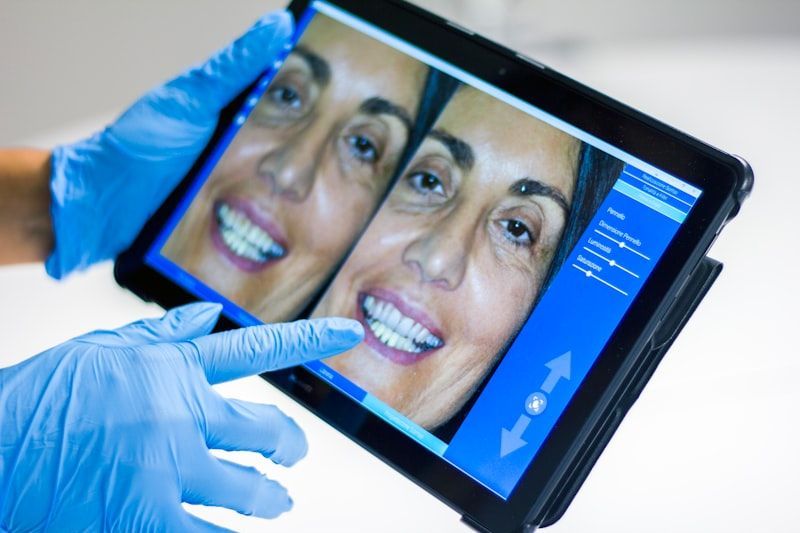
Porcelain veneers, composite bonding, and smile makeovers are popular for expats wanting to refresh their smiles. Cosmetic cases often require careful shade matching and skilled lab work.
- Time: Usually 2–4 visits over 2–3 weeks
- Typical cost: $250–$700 per porcelain veneer
- Tip: Bring photos of your desired smile, and ask for before-and-after images from the clinic to evaluate their aesthetic work.
Practical Tips for Choosing a Dentist in Cuenca
Finding a trustworthy dental provider is the single most important step. Here are practical steps to make a good choice:
- Check Board or Colegio: Ask if the dentist is registered with the Colegio de Odontólogos in Ecuador and request credentials.
- Read patient reviews: Search expat forums, Facebook groups for Cuenca expats, and Google Reviews for real patient experiences.
- Ask about sterilization: Clinics should use autoclaves and show clear infection control protocols.
- Seek written estimates: Get a detailed, itemized treatment plan in writing (preferably in English and Spanish).
- Request digital records: Ask for copies of X-rays and intraoral photos for your files.
- Check for aftercare support: Confirm how the clinic handles complications after hours.
Costs, Payments, and Warranties
Ecuador uses the U.S. dollar, eliminating currency worries. Many clinics accept cash, credit cards, and bank transfers. Always confirm what’s included in quoted prices—some clinics bundle materials, lab fees, and follow-ups, while others charge separately for X-rays, anesthesia, lab work, and medications.
Ask about warranties for crowns, implants, and prosthetics. A common warranty in Cuenca covers defects in workmanship for one to five years but won’t cover damage from trauma or poor oral hygiene. Get warranty terms in writing.
Language and Communication: Bridging the Gap
While many dentists in Cuenca speak some English, not all staff members will. Use these Spanish phrases to clarify important details:
- “¿Me puede dar un presupuesto por escrito?” — Can you give me a written estimate?
- “¿Qué marca es el implante?” — What brand is the implant?
- “¿Incluye radiografías y el laboratorio?” — Does that include X-rays and lab fees?
- “¿Cuál es la garantía?” — What is the warranty?
If you’re uncomfortable with Spanish, ask the clinic if they have an English-speaking coordinator or bring a bilingual friend or interpreter for appointments.
Travel and Recovery Logistics in Cuenca
Cuenca sits at roughly 2,560 meters (8,400 feet) elevation. Most patients tolerate dental procedures well, but if you’re having major surgery or sedation, factor in extra recovery time and avoid strenuous hiking in the immediate post-op period. Book your accommodations near the clinic—El Centro (historic center) and nearby neighborhoods have many clinics and easy access to pharmacies and restaurants.
If you plan to fly home after surgery, follow general medical guidance: avoid air travel within 24–48 hours of extractions, and consult your dentist about implants and sinus lifts. Bring any prescriptions (antibiotics, pain meds) with you, and verify they are available at local pharmacies in Cuenca in case you need refills.
Red Flags to Watch For
While most clinics in Cuenca are reputable, be alert to these warning signs:
- Pressure to commit to immediate, expensive treatment without diagnostics or second opinion.
- Refusal to provide a written treatment plan or itemized invoice.
- Poor infection-control practices (no autoclave, dirty instruments).
- Unrealistically low prices that seem too good to be true.
- Inability to describe the materials or implant brands being used.
Practical Checklist Before Your First Appointment
- Collect prior dental records and X-rays to bring or send digitally.
- Prepare questions about materials, timelines, warranties, and aftercare.
- Verify payment options and whether a deposit is required.
- Confirm clinic location and opening hours; many clinics are centrally located near Parque Calderón or in newer medical corridors.
- Plan recovery time and arrange transport home if sedation is used.
Final Thoughts: Balancing Price, Quality, and Peace of Mind
Cuenca offers an attractive mix of affordability and quality for dental care. With careful planning—researching clinics, getting written estimates, and confirming materials and warranties—you can safely complete routine and advanced dental procedures in the city. For expats, the convenience of English-speaking dentists, modern labs, and USD pricing adds to the appeal. Treat dental care as an investment in your overall health: ask questions, seek second opinions when needed, and make informed choices that prioritize safety and long-term results.
Whether you need a routine cleaning, a crown, or a full-arch restoration, Cuenca has capable dental professionals who can help. Use this guide as a starting point, prepare your questions, and take advantage of local resources—expat groups, clinic reviews, and in-person consultations—to find the dentist who fits your expectations.
Resources
- Bring copies of your dental records and ask your clinic for written estimates and a detailed timeline.
- Search local expat groups and review sites for clinic recommendations and patient experiences.
- Always confirm implant brands, sterilization protocols, and warranty terms in writing.
Adam Elliot Altholtz serves as the Administrator & Patient Coordinator of the “Smilehealth Ecuador Dental Clinic“, along with his fellow Expats’ beloved ‘Dr. No Pain‘, right here in Cuenca, Ecuador, and for purposes of discussing all your Dental needs and questions, is available virtually 24/7 on all 365 days of the year, including holidays. Adam proudly responds to ALL Expat patients from at least 7:00am to 9:00pm Ecuador time, again every single day of the year (and once more even on holidays), when you write to him by email at info@smilehealthecuador.com and also by inquiry submitted on the Dental Clinic’s fully detailed website of www.smilehealthecuador.com for you to visit any time, by day or night. Plus, you can reach Adam directly by WhatsApp at +593 98 392 9606 -or by his US phone number of 1‐(941)‐227‐0114, and the Dental Clinic’s Ecuador phone number for local Expats residing in Cuenca is 07‐410‐8745. ALWAYS, you will receive your full Dental Service in English (NEVER in Spanish), per you as an Expat either living in or desiring to visit Cuenca by your Dental Vacation, plus also to enjoy all of Ecuador’s wonders that are just waiting for you to come arouse and delight your senses.