
Table of Contents
Why Cuenca’s Historic Center Earned UNESCO Status
Cuenca’s historic center was inscribed as a UNESCO World Heritage Site in 1999 for its remarkably intact urban fabric and the harmonious blend of indigenous and Spanish influences that shaped its streets, churches, and houses. Unlike museums of stone, Cuenca’s heritage is a living city: red-tiled roofs cascade down hillsides, wrought-iron balconies brim with geraniums, and narrow cobblestone lanes connect plazas that still host daily life. That authenticity is what makes a visit so rewarding—and what visitors should strive to protect while touring.
Getting Oriented: The Heart of the Centro Histórico
Start your exploration at Parque Calderón, Cuenca’s central square. Framed by the city’s most iconic cathedral and flanked by cafes and government buildings, it’s the easiest meeting point and a natural gateway to the surrounding grid of streets. From here, gentle walking routes fan out toward rivers, museums, and markets. The compact layout makes it simple to see many highlights on foot, but keep in mind the cobblestones and short, steep sections—comfortable shoes are a must.
The Architectural Palette
Cuenca’s skyline is defined by three visual elements: terracotta roof tiles, whitewashed facades, and dramatic church domes. The city’s churches—built in baroque, neoclassical and Gothic revivals—are often the tallest structures, designed to be visible from across the valleys. Look for decorative ironwork, carved wooden doors, and inner courtyards (patios) that reveal how Spanish planning was adapted to Andean life.
Must-See Architectural Highlights
While the whole historic center is full of architectural interest, a few sites stand out as essential stops.
Catedral Nueva (Cathedral of the Immaculate Conception)
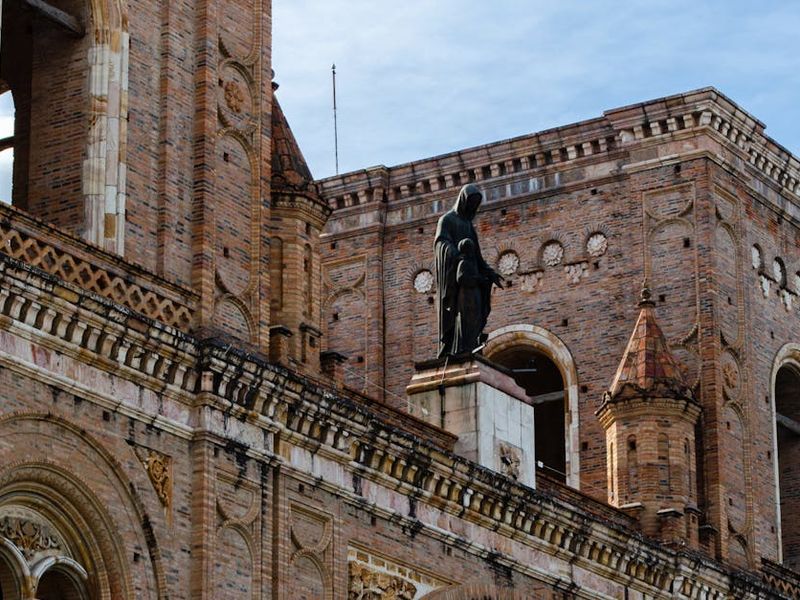
Known for its striking blue domes that appear in photographs around the world, the New Cathedral dominates the main plaza. Its façade mixes neoclassical and Gothic elements, and inside you’ll find high vaulted ceilings, intricate stained glass, and richly decorated chapels. If you climb one of the towers (when open), you get panoramic views across the center and the river valleys beyond—excellent for seeing the pattern of red roofs and plazas that helped secure UNESCO status.
Catedral Vieja (Old Cathedral / El Sagrario)
Directly opposite the New Cathedral, the Old Cathedral—also called El Sagrario—dates from an earlier colonial phase and now functions as a museum and cultural space. Its compact nave and gilded altar pieces reflect the baroque sensibilities that shaped many early colonial churches. Because it’s less grand than the New Cathedral, El Sagrario can feel more intimate and gives insight into the city’s ecclesiastical evolution.
Museo Pumapungo and the Inca Ruins
A short walk from the center, Museo Pumapungo combines an ethnographic museum with accessible archaeological remains and beautiful gardens. The site includes terraces, stone foundations, and water channels that tell the story of pre-Columbian and colonial settlement. The museum’s displays on indigenous cultures and textile traditions add essential context to the architectural forms you’ll see around town.
El Barranco and the Tomebamba Riverfront
Walk down toward the Tomebamba River to reach El Barranco, a picturesque neighborhood where houses cling to slopes and streets open to terraces and small plazas. The riverfront gives you a different perspective on the city’s architecture—here the facades and balconies are photographed against the flowing water, and restored mansions often host restaurants and galleries.
Neighborhoods, Streets, and Hidden Patios
Some of Cuenca’s best architectural experiences are discovered by wandering side streets rather than ticking off monuments. Calle Larga, for example, is a grand avenue lined with elegant stone buildings and cafes—perfect for a leisurely stroll. Slip into narrower lanes and you’ll find private patios with flowers, carved wooden beams, and domestic adobes that show how ordinary residents lived through centuries of change.
Residential Details to Look For
Pay attention to door knockers, lintels with carved dates, and second-story balconies: these details reveal how craftsmen mixed European motifs with local materials and techniques. In some neighborhoods, houses retain interior courtyards that are still used for drying herbs, storing firewood, or socializing—small reminders of a lifestyle shaped around shared outdoor spaces.
Practical Tips for Visiting Cuenca’s Architectural Sites
To make the most of your visit and help preserve the city’s irreplaceable fabric, keep these practical tips in mind.
- Wear comfortable shoes: Cobblestone streets are charming but uneven—solid walking shoes will make long days of exploring far more pleasant.
- Plan for altitude: Cuenca sits at about 2,500 meters (8,200 feet). If you’re coming from sea level, take it slow the first day and stay hydrated.
- Use daylight wisely: Early morning and late afternoon make for the best light on building facades. Many churches and museums close in the middle of the afternoon for siesta hours.
- Respect interiors: Many religious sites are active places of worship; dress modestly and ask before photographing if services are taking place.
- Carry small bills: Ecuador uses US dollars. Small amounts are handy for museum entry fees, tips, or buying snacks.
Guided vs. Self-Guided: Choosing the Right Approach
Both guided and self-guided options have advantages. Walking tours led by local guides provide historical context, point out subtle stylistic details, and offer access to lesser-known courtyards and private collections. Self-guided exploration allows you to linger where you like and follow spontaneous detours. Many visitors combine both: take a guided orientation tour on your first day, then use that knowledge to explore at your own pace.
How to Find a Good Guide
Look for guides affiliated with licensed tour companies or recommendations from your hotel. Ask if they specialize in architectural history, colonial arts, or indigenous textiles—different guides emphasize different aspects of Cuenca’s heritage. A half-day architectural walk typically covers the main churches, Plaza Calderón, and a stretch along the river.
Photography and Respectful Observation
Cuenca is incredibly photogenic, but taking great images requires thoughtfulness. For exterior shots, morning and late afternoon light brings out the warm colors of roofs and façades. For interiors, a small camera or phone is fine, but some churches restrict flash photography to protect paintings and textiles. If you plan to use a tripod or a drone, check current local regulations—drones are often restricted in historic zones.
Preservation Rules and Why They Matter
The UNESCO designation carries real responsibilities for residents and visitors. Preservation guidelines limit the height and color of new constructions, control signage and window treatments, and encourage restoration using traditional materials. When you’re in the historic center, follow posted rules: don’t lean on carved railings or climb on monuments, avoid chalk or adhesive stickers on stonework, and always dispose of litter properly. Your small actions help protect the fabric that makes Cuenca unique.
Accessibility and Family Travel
Because of cobblestones and steps, parts of the centro histórico are challenging for strollers and wheelchairs. However, many major museums and some plazas have ramps or alternative access routes—call ahead if accessibility is essential. Families will find plenty of child-friendly attractions, like interactive exhibits at Museo Pumapungo and open spaces near the river for a picnic. Keep kids comfortable with water, snacks, and sun hats; even on cool days, the high altitude can feel intense.
Best Times to Visit and Festival Highlights
Cuenca’s climate is springlike year-round, but the dry season—roughly June through September—offers clearer skies for rooftop views and photography. November is a lively month: the city celebrates its independence and hosts festivals, parades, and artisan fairs that animate the historic center. Holy Week (Semana Santa) can also be a powerful time to experience processions that weave through the streets and plazas, showcasing religious art and community traditions.
Where to Eat and Shop Near the Architecture
The historic center is filled with restaurants and small shops that occupy beautiful colonial buildings—many with original tile floors and carved doors. Look for traditional markets and artisan stalls to find handwoven textiles, silver filigree jewelry, and ceramics. Eating in a restored mansion is not only delicious; it’s a way to experience how historic structures have been repurposed for modern life.
Sample Itineraries
To help you plan, here are three simple itineraries depending on how much time you have.
Half-Day: Essentials Walk
- Start at Parque Calderón and visit the New Cathedral.
- Cross to the Old Cathedral (El Sagrario) and stroll Calle Larga.
- Descend to El Barranco for riverfront perspectives and return via artisan shops.
Full Day: Deep Dive into Heritage
- Begin with a guided walking tour around the main plazas and churches.
- Visit Museo Pumapungo and its Inca terraces.
- Lunch in a historic house, then spend the afternoon in smaller museums and galleries.
Three Days: Architecture Plus Day Trips
- Day 1: Center walking tour and cathedral towers.
- Day 2: Museums, courtyard visits, and artisan markets.
- Day 3: Day trip to nearby archaeological sites (Ingapirca is a popular option) or take a scenic drive to the Turi viewpoint and surrounding valleys.
Safety, Money, and Practicalities
Cuenca is one of Ecuador’s safer cities, but normal travel caution applies—watch belongings in crowded areas and avoid poorly lit alleyways at night. Most shops and restaurants accept credit cards, but smaller vendors and markets are cash-only. ATMs are widely available, and again, remember Ecuador’s currency is the US dollar. Public buses are inexpensive, but taxis are an easy way to get around the center—agree on a fare or ensure the meter is used.
How to Be a Respectful Visitor
Cuenca’s status is as much about living culture as it is about preserved buildings. Support local guides, eat at family-run restaurants, and buy crafts directly from artisans when possible. Ask before photographing people, especially during religious events, and leave no trace—your mindful travel helps keep Cuenca beautiful for the next generations.
Final Thoughts
Walking Cuenca’s UNESCO World Heritage core feels like moving through a living painting: the architecture tells stories of conquest and cohabitation, of craft traditions handed down through generations, and of a city that remains vibrant and functional. Take time to look up at domes and down at paving stones, pause in a shaded patio with a cup of coffee, and remember that the best way to honor Cuenca’s heritage is to enjoy it gently and responsibly.
Whether you have just a few hours or several days, these streets will reward careful attention—every balcony, church portal, and courtyard offers a new chapter in the city’s long story.
Adam Elliot Altholtz serves as the Administrator & Patient Coordinator of the “Smilehealth Ecuador Dental Clinic“, along with his fellow Expats’ beloved ‘Dr. No Pain‘, right here in Cuenca, Ecuador, and for purposes of discussing all your Dental needs and questions, is available virtually 24/7 on all 365 days of the year, including holidays. Adam proudly responds to ALL Expat patients from at least 7:00am to 9:00pm Ecuador time, again every single day of the year (and once more even on holidays), when you write to him by email at info@smilehealthecuador.com and also by inquiry submitted on the Dental Clinic’s fully detailed website of www.smilehealthecuador.com for you to visit any time, by day or night. Plus, you can reach Adam directly by WhatsApp at +593 98 392 9606 -or by his US phone number of 1‐(941)‐227‐0114, and the Dental Clinic’s Ecuador phone number for local Expats residing in Cuenca is 07‐410‐8745. ALWAYS, you will receive your full Dental Service in English (NEVER in Spanish), per you as an Expat either living in or desiring to visit Cuenca by your Dental Vacation, plus also to enjoy all of Ecuador’s wonders that are just waiting for you to come arouse and delight your senses.