
Table of Contents
Why Cuenca is an Excellent Base for Outdoor Adventure
Cuenca’s mix of Andean peaks, river canyons, cloud forests and a mild climate makes it an ideal base for active travelers. At 2,560 meters (8,400 ft) in elevation, the city itself feels cool and walkable, while day trips deliver dramatic changes in terrain—rugged highlands, clear mountain rivers and steep valleys—within an easy drive. That variety is why you can go from historic plazas in the morning to ziplining above a canyon or launching off Turi for a paragliding flight by afternoon.
Paragliding from Turi: Fly Over the City
Turi, the popular overlook above Cuenca, is the most accessible paragliding launch point. Flights typically last 15–45 minutes depending on thermals and the route, offering sweeping views of the city’s red-tile roofs, the Tomebamba River and the surrounding Andean ridges. Tandem flights are available with experienced pilots and require minimal prior experience.
Practical tips: book in advance during high season (June–September) and bring a windproof jacket—temperatures can feel very different in the air. Expect to pay between $60 and $120 USD for a tandem flight depending on duration and operator. Most companies include pick-up from a central Cuenca location and basic insurance.
Whitewater Rafting: Rivers for Every Skill Level
Within 45–90 minutes of Cuenca you can find rivers that suit beginners to experienced paddlers. The Paute River, among others in the region, is popular for organized whitewater trips. Short half-day floats are ideal for newcomers; full-day excursions offer longer rapids, swims and riverside lunches.
Choose a certified operator that provides life jackets, helmets and a safety briefing. If you are new to rafting, ask about guided oar-boat trips where your guide controls the boat so you can focus on paddling and enjoying the ride. Experienced paddlers can seek more challenging stretches with class III–IV rapids.
Canopy Tours and Ziplines: Speed Through the Trees
Canopy tours and zipline parks near Cuenca range from short urban zips to multi-line canopy circuits in private reserves. These courses often combine suspension bridges, platforms and several ziplines that cross ravines and offer bird’s-eye views of the forest. Some packages include rappelling and short hikes between platforms.
What to expect: harnesses are professionally inspected by reputable operators, but always double-check equipment and ask about weight limits. Zipline tours are typically 1–3 hours and cost around $20–$45 USD. Bring closed-toe shoes, sunscreen and a small backpack for water and a camera.
Parque Nacional Cajas: Hiking, Lakes and High-Altitude Adventure
Just a short drive from Cuenca, El Cajas National Park is a mosaic of glacial lakes, páramo grasslands and craggy ridgelines at elevations between 3,100 and 4,450 meters. It’s a must for hikers, birdwatchers and anyone who loves open, dramatic landscapes. Trails vary from short 1–2 hour loops to full-day treks that take you among turquoise lagoons and moorland.
Practical advice: because Cajas sits much higher than Cuenca, factor in time to acclimatize and watch for signs of altitude sickness—headache, dizziness or nausea. Dress in layers, carry water, and use trekking poles for uneven terrain. Guided day hikes typically cost $20–$50 and can include transport from Cuenca.
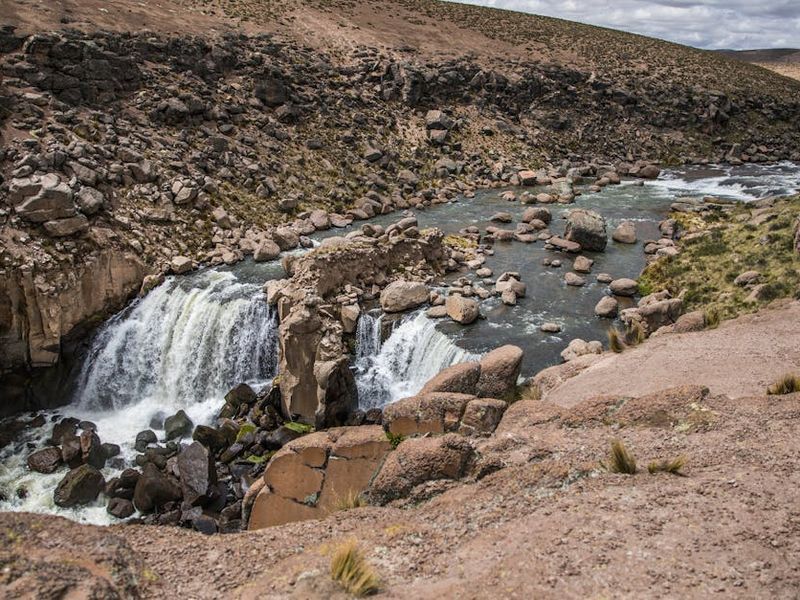
Waterfalls, Canyons and Natural Pools: Swim and Explore
The Azuay province is dotted with waterfalls and sheltered canyon pools ideal for a refreshing swim. Popular day-trip areas feature short hikes to viewpoints and natural rock jumps for the adventurous. Some valleys also offer canyoning or guided waterfall rappels—great if you want to combine hiking with a little vertical adventure.
Safety note: water flow varies by season. During heavy rains pools and rivers can be dangerously fast. Check conditions with local operators and never jump into unknown water without first scouting for submerged rocks or strong currents.
Mountain Biking and Off-Road Trails
From paved mountain roads to technical singletrack, the landscapes around Cuenca are excellent for mountain biking. Popular routes include rides above the city with stunning viewpoints, and more remote trails through highland valleys and along old cattle roads. Bike rental and guided tours are available in town, with options for full-day adventures including vehicle support and picnic lunches.
Rentals: expect to pay roughly $20–$40 USD per day for a quality mountain bike. If you want to tackle steep descents or long climbs, consider hiring a guide who knows the best routes and rescue procedures.
Rock Climbing and Via Ferrata Options
Climbing enthusiasts can find bolted sport routes and traditional lines in limestone and volcanic rock formations near Cuenca. For a guided, adrenaline-rich experience, search for local operators offering via ferrata setups and top-rope instruction. These tours are great for those who want to learn climbing techniques with the reassurance of guided support.
Gear and training: reputable providers will supply helmets, harnesses and ropes. If you’re a beginner, take a half-day introductory course before attempting longer routes.
Community-Based Adventures: Cultural and Outdoor Blends
Many adventure operators in the Cuenca region are community-run or partner with local villages. These trips mix outdoor activities—like guided hikes, river exploration or farm-based canopy tours—with immersive cultural experiences such as cooking traditional meals, visiting artisan workshops in Chordeleg or learning about Andean farming practices.
Choosing community-based tours supports local economies and often provides a more authentic experience. They may be less polished than commercial operators, but they frequently offer deeper, more meaningful interactions and unique local knowledge.
Seasonal Considerations and Best Times to Go
Cuenca’s weather is spring-like year-round, but the best seasons for adventure vary by activity. The drier months—roughly June through September—are ideal for hiking, ziplining, paragliding and mountain biking because trails and flights are less likely to be canceled for rain. Rivers swell during the rainy season (roughly October–May in parts), which can mean bigger rapids for experienced rafters but also higher danger for casual swimmers or canyoners.
Tip: check local weather and river conditions the day before an excursion. Many operators will cancel or reschedule activities if safety is a concern.
Practical Travel Tips: Getting There and Getting Around
- How to reach trailheads: Many adventure sites are within a 30–90 minute drive from central Cuenca. Arrange transportation through your operator or hire a taxi for a round trip. Shared shuttles and colectivo services are also common for popular day-trip destinations.
- Driving: If you rent a car, be aware that some adventure routes use rough dirt roads—4x4s may be recommended in wet conditions.
- Cash & payments: Small operators and community trips often prefer cash (USD). Credit cards are accepted by larger companies and in Cuenca, but bring cash for tips, snacks and entry fees.
- Language: While many guides speak enough English for basic instructions, learning key Spanish phrases helps in remote areas and when communicating with local hosts.
Safety First: What to Ask Your Guide
Before you book, ask: Are guides licensed and insured? What safety gear is provided and is it inspected regularly? How experienced are the guides with the specific route or river? What is the plan if weather forces a cancellation or medical emergency? A trustworthy operator will gladly answer these questions and provide references or reviews.
Also: always listen to the safety briefing. Even experienced adventurers can be caught off guard by local conditions—streams, weather and altitude all affect the risk profile of an activity.
Packing Checklist for Adventure Day Trips
- Layered clothing (temperatures change quickly with elevation)
- Sturdy hiking shoes or closed-toe sneakers
- Light rain jacket or poncho
- Sunscreen, sunglasses and a hat
- Reusable water bottle and high-energy snacks
- Cash in small bills for fees, tips and local purchases
- Small first-aid kit and any personal medications
- Identification and emergency contact information
Budget Guide: What Activities Typically Cost
Prices vary depending on the provider, length of the activity and whether transport is included. As a rough guide:
- Paragliding (tandem): $60–$120 USD
- Zipline/canopy tour: $20–$45 USD
- Half-day rafting: $40–$80 USD; full-day $80–$150 USD
- Cajas guided hike with transport: $20–$50 USD
- Mountain bike rental: $20–$40 USD/day
How to Book: Local Agencies, Online Platforms and Walk-Ins
You can book adventure activities from travel agencies in Cuenca’s historic center—near Parque Calderón—or through your hotel/hostal. Online platforms offer convenience and reviews, but smaller community operators may only take bookings via phone or email. For popular days (weekends and holidays) book in advance, but for last-minute flexibility, head to the central tour desks where operators gather.
Responsible Travel: Leave No Trace and Respect Local Communities
When enjoying Cuenca’s outdoors, practice Leave No Trace principles: pack out your trash, stick to established trails and avoid disturbing livestock or crops. When visiting community-run experiences, ask permission before taking photos of people or homes, and buy local crafts directly from artisans to ensure your tourism dollars have meaningful impact.
Final Thoughts: Make the Most of Cuenca’s Adventure Options
Whether you’re chasing adrenaline on a zipline, floating through rapids, flying above the city from Turi or hiking the high lakes of El Cajas, Cuenca offers a concentrated slice of Andean adventure. With smart planning—checking seasons, booking reputable guides and packing appropriately—you can enjoy memorable, safe outings that showcase the natural diversity of southern Ecuador.
Start with one or two day trips to get a feel for the elevation and local conditions, then expand into longer, more ambitious adventures. The combination of cultural richness in Cuenca and dramatic nearby landscapes makes this region one of South America’s most rewarding playgrounds for outdoor lovers.