
Table of Contents
Why Cuenca is a Food Lover’s Paradise
Cuenca, Ecuador is more than colonial charm and Andean views — it’s a city where food tells the story of culture, climate and history. The highland location shapes hearty stews and tuber-based dishes, while rivers and markets deliver fresh produce and seafood. For expats and visitors, Cuenca serves up an approachable mix: inexpensive local favorites, refined fusion plates, artisan coffee and a growing craft-beer scene. This guide takes you beyond generalities to concrete picks, tips and insider tricks so you can eat like a local — and satisfy any foodie curiosity.
How to Use This Guide
Start with the neighborhood that matches your mood: historic center for variety and ambience, the northern barrios for trendy cafés and bistros, and market areas for an immersive local experience. Each section below includes recommended types of venues, signature dishes to order, average prices in USD, and practical tips — from language and reservations to what’s typical for tipping and hours.
Historic Center: Classics, Rooftop Views and People-Watching
The Old Town around Parque Calderón is Cuenca’s culinary front door. Here you’ll find everything from traditional eateries to elegant tasting menus. Walk the narrow streets at midday and you’ll hear the sizzle of fritada and the shouts of vendors selling helado de paila.
- What to try: Llapingachos (potato patties), hornado (slow-roasted pork), mote con chicharrón, and encebollado (tuna fish soup — great for hangovers).
- Price range: Almuerzo (menu of the day) $3.50–$6; casual sit-down $6–$15; upscale tasting menus $30–$60.
- Insider tip: Look for small restaurants advertising an “almuerzo” between 11:00–15:00 — you’ll get soup, main, drink and often dessert for excellent value.
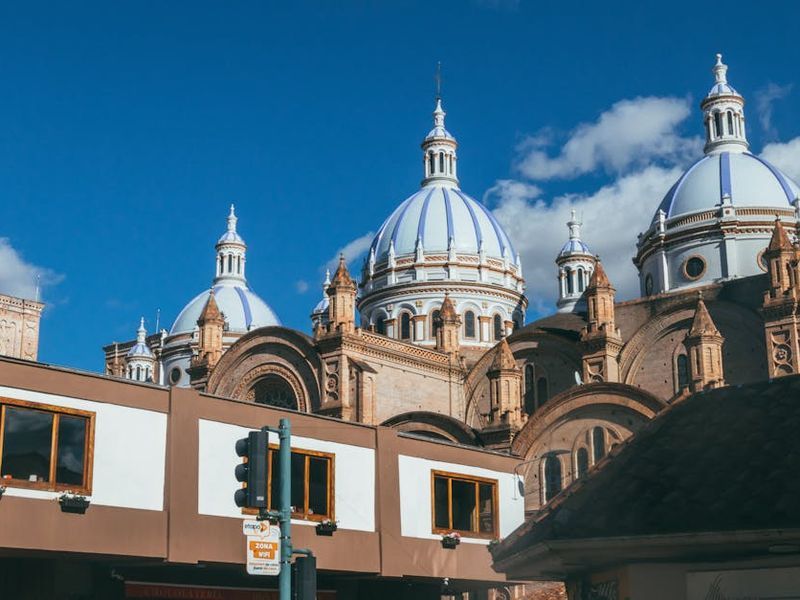
For a memorable evening, seek out a rooftop bistro near the river Tomebamba. The views of red-tiled roofs and church spires make even a simple plate feel special. Make reservations if dining after 6:30 p.m., especially on weekends.
Markets and Street Food: Real Local Flavor
The city’s markets are the beating heart of Cuencan food culture. Mercado 10 de Agosto (often called the Central Market) is where families shop for fresh produce, cheeses, and daily eats. Stallholders often specialize in one signature dish — the best way to sample authentic flavors.
- Must-visit stalls: Try a steaming bowl of locro de papa (potato and cheese soup), a plate of fritada with hominy, or a warm humita (steamed corn cake).
- Snack picks: Empanadas de viento (light, cheese-filled) and bolón de verde (mashed green plantain ball) make perfect walking snacks.
- Money and bargaining: Most stalls accept cash only. Prices are fixed and low — no need to haggle, but don’t be surprised to carry small change.
Markets are also a great place to take a cooking class. Local cooks often run half-day lessons teaching you how to make tamales, empanadas, or a full almuerzo — and you get to eat what you make.
Neighborhoods with Notable Food Scenes
Each Cuenca neighborhood brings its own vibe and specialties. Explore them to match your dining mood.
El Centro (Historic Core)
Brimming with variety — from family-run spots to boutique restaurants. Perfect for first-timers who want a little of everything.
San Sebastián and Río Tobar
Creative kitchens and bistros flourish here. Think Andean ingredients reimagined for a modern palate — beet-cured trout, quinoa risottos, and inventive desserts featuring local fruits like taxo and tumbo.
El Vergel and Northern Cuenca
Home to expat favorites, specialty coffee shops and craft breweries. This area is great for brunch, fusion plates, and folks seeking vegetarian and vegan options.
Specialty Spots: Coffee, Chocolate, Ice Cream and Bakeries
Cuenca’s coffee scene has matured. Local micro-roasters and third-wave cafés highlight beans from nearby provinces. Expect pour-over sets and knowledgeable baristas who’ll happily explain origin and roasting level.
- Coffee: Try a single-origin pour-over or a cortado. Many cafés also roast beans on-site — buy a bag to bring home.
- Chocolate and cocoa: Ecuador is renowned for fine cocoa. Seek artisan chocolaterías offering bean-to-bar tastings and chocolate pairings with local fruits.
- Heladería (ice cream): Helado de paila — ice cream churned in a cold metal pan — remains a local favorite, often made with fresh local fruits or cheeses.
- Bakeries: Stop by a panadería early for warm pan de yuca and sweet conchas.
Vegetarian & Vegan Options
While traditional Andean cuisine is meat-forward, Cuenca’s dining scene has adapted. Vegetarian and vegan-friendly restaurants cater to expats and health-conscious locals. Many mainstream restaurants will also accommodate dietary preferences if notified in advance.
- Local plant-based dishes: Mote pillo with extra vegetables, hearty vegetable stews, and quinoa salads with roasted Andean vegetables.
- Helpful tip: Learn the Spanish phrases: “soy vegetariano/a” and “sin carne, por favor”. For vegan, “sin lácteos ni huevo” clarifies no dairy or eggs.
Seafood and Highland Fusion — Best of Both Worlds
Although Cuenca sits in the highlands, the city enjoys excellent seafood thanks to efficient transport from the coast. You’ll find fresh ceviche, shrimp dishes and inventive seafood fused with Andean ingredients.
- Popular dishes: Shrimp ceviche with toasted corn, trout al ajillo (trout in garlic sauce), and encebollado (a fish and yucca soup often served at breakfast).
- Pairings: Fresh seafood pairs well with crisp, local white wines or a cold craft beer. Ask servers for regional wine pairings if you’re dining in an upscale restaurant.
Craft Beer and Cocktails
Cuenca’s nightlife has diversified beyond traditional bars. Craft breweries produce small-batch ales and lagers flavored with local ingredients, while cocktail bars incorporate Andean elements like naranjilla, cane aguardiente, or floral infusions.
- Where to go: Seek microbreweries for tasting flights and gastropubs for small plates paired with beer.
- Drink tip: Order a tasting flight to sample a range — it’s cheaper than several full pours and helps you find a favorite style.
Dining Etiquette, Practicalities and Budgeting
Eating out in Cuenca is an accessible luxury. Here are practical tips to make meals smooth and enjoyable.
- Currency: Ecuador uses the US dollar. Carry small bills and change for markets and small cafés.
- Payment: Many sit-down restaurants accept cards, but small vendors and markets are cash-only.
- Tipping: A 10% tip is customary in sit-down restaurants if service was good. Some places include a service charge — check your bill.
- Hours: Lunch is the big meal — almuerzo is served midday. Dinner typically begins after 7:00 p.m.; many places slow down by 10:00 p.m.
- Reservations: Recommended for popular spots and rooftop eateries, especially on weekends.
Food Tours and Hands-On Experiences
If you want guided knowledge and tastes, join a food tour. Local guides will introduce you to street stalls, markets, and family-run kitchens, explaining ingredients and cultural context. For a hands-on experience, look for tamal-making classes or market-to-table workshops where you pick ingredients and cook with a local family.
These experiences are great for learning how to pronounce menu items, understanding unfamiliar ingredients, and discovering hidden vendors that aren’t in guidebooks.
Seasonal Festivals and Food Events
Timing your visit around local food festivals can be rewarding. Cuenca hosts seasonal events celebrating gastronomy, chocolate and coffee. During religious festivals and holidays, special foods like fanesca (a rich Easter stew) make limited appearances, giving you a unique culinary snapshot of local traditions.
Sample 3-Day Food Itinerary
Short on time? Here’s a compact plan to taste a broad slice of Cuenca’s food scene.
- Day 1 — Historic Center: Morning coffee and pan de yuca; midday almuerzo near Parque Calderón; evening rooftop dinner with a view of the cathedral.
- Day 2 — Market and Neighborhoods: Early market tour at Mercado 10 de Agosto; lunch of locro de papa and fritada; afternoon cake and coffee in San Sebastián; evening craft beer and small plates in El Vergel.
- Day 3 — Hands-on and Sweet Treats: Cooking class (tamales or empanadas) in the morning; chocolate tasting in the afternoon; try helado de paila for dessert.
Final Tips for Food Adventurers
1) Be adventurous but cautious — try street food from stalls with a steady local crowd (a good sign). 2) Hydrate at altitude — Cuenca sits around 2,500 meters (8,200 feet), and unfamiliar spices/food can feel strong — keep water on hand. 3) Talk to your servers — Ecuadorians are proud of regional ingredients and often enjoy explaining them. 4) Carry a small Spanish phrasebook or translation app for describing allergies or dietary needs.
Wrap-Up: Eat, Learn, and Enjoy Cuenca
Cuenca’s culinary scene is a compelling blend of Andean tradition and contemporary creativity. Whether you’re sipping single-origin coffee in a sunlit café, digging into a hearty almuerzo in a bustling mercado, or savoring an inventive tasting menu, the city rewards curiosity. Use neighborhood cues, follow the locals, and leave room for spontaneous discoveries — some of the most memorable meals in Cuenca come from unplanned stops and friendly recommendations.
Ready to plan your culinary route? Start in the historic center, make time for a market visit, and don’t miss a rooftop evening to soak in Cuenca’s skyline while you taste your way through the flavors of the Andes.