
Table of Contents
Why Cuenca Belongs on Every Food Lover’s Map
Cuenca is often admired for its colonial architecture and relaxed expat life, but its food scene is an underappreciated reason to linger. Nestled in the southern Andes, Cuenca draws on mountain produce, artisanal cheese, Andean tubers, and coastal influences to create a cuisine that’s comforting, creative, and deeply local. Whether you want to sample traditional market breakfasts, hunt down late-night hornado, or sit down to a modern farm-to-table tasting menu, Cuenca delivers—with a warm, neighborhood feel.
How to Use This Guide
This guide is organized by neighborhood, eating style, and practical tips so you can build your own culinary route—whether you have one afternoon or a week. I’ll point out where to find signature dishes, where to sit for coffee, and how to spot genuinely local food experiences (hint: follow the lines and the steam rising from big pots).
Neighborhood Eats: Where to Go and What to Try
Centro Histórico and Parque Calderón
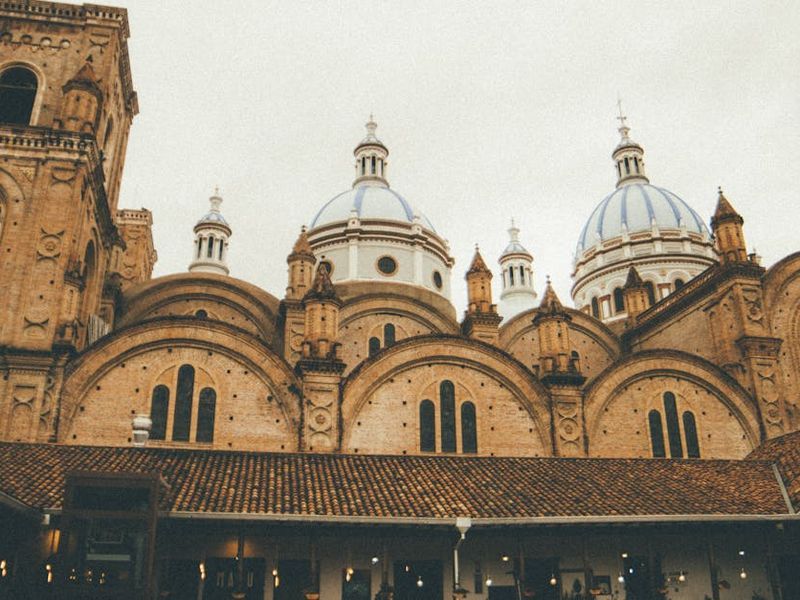
The heart of the city is both a tourist hub and an excellent starting point for food exploration. Around Parque Calderón you’ll find traditional restaurants serving llapingachos (cheesy potato patties), locro de papa (creamy potato and cheese soup), and hearty breakfasts. Street vendors and small cafés offer helado de paila—hand-churned sorbet made in a metal pan—perfect after a stroll around the cathedral.
El Barranco and the Tomebamba River
Walk along the Tomebamba to reach El Barranco, a quarter with riverside terraces and smaller, more inventive kitchens. This area is ideal for relaxed lunches and afternoons with coffee and pastries. Many chefs in this neighborhood reinvent local ingredients—think roasted Andean vegetables, inventive ceviches using freshwater fish, or tasting plates that showcase local cheeses and mote.
San Sebastián and Artisan Flavors
San Sebastián is a quieter, bohemian barrio with bakeries, small family-run restaurants, and artisan food shops. It’s a great spot for breakfast—expect strong coffee, pan de yuca (cheese bread), and fresh fruit bowls. Look for tiny doors and courtyard restaurants where recipes have been handed down for generations.
El Vergel and La Nueva Aurora
For a mix of local hangouts and immigrant-owned eateries, head toward El Vergel. Here you’ll find late-night fritada stalls (fried pork with mote and pickled onions), simple corrientes (home-style plates), and newer fusion spots where chefs blend Andean staples with international techniques.
Markets and Street Food: The Heartbeat of Cuenca’s Cuisine
Markets are the fastest way to understand a city’s food identity. The Central Market (Mercado Central) is a bustling place at breakfast, filled with steaming soups, plates of mote, and cups of canelazo (a warm cinnamon-and-fruit liqueur). Arrive early for the best selection—savory stalls often start closing in the mid-afternoon.
Street food vending is serious business in Cuenca. Classic street offerings include mote con chicharrón, hearty soups, empanadas, and grilled skewers. If you see a steady queue or a pot of broth bubbling all morning, you’re in the right place.
Must-Try Dishes—and Where to Find Them
- Llapingachos: Potato patties stuffed with cheese. A comfort food often served with chorizo, avocado, and a fried egg—perfect for a weekend brunch.
- Hornado: Slow-roasted pork with crispy skin. Look for restaurants and market stalls serving it with hominy (mote), pickled onions, and plantains.
- Fritada: Deep-fried pork cooked with orange juice and spices—another market favorite, typically served with mote and salad.
- Cuy: Roast guinea pig is a traditional Andean specialty—try it at a restaurant that advertises ancestral recipes or during festival times.
- Locro de papa: A warming potato-and-cheese soup finished with avocado—an essential Andean comfort.
- Mote con chicharrón: Hominy with fried pork and pickled onion—a hugely popular, bold-flavored midday option.
- Helado de paila: Fresh, artisanal sorbets churned in a cold pan—look for vendors offering unusual flavors like guanábana, naranjilla, or blackberry.
- Canelazo: A hot drink made with cinnamon and local aguardiente—perfect for cooler evenings.
Coffee, Bakeries, and Sweets
Cuenca has a thriving specialty coffee scene—many cafés source beans from nearby highland farms and roast on-site. For breakfast, look for panaderías selling pan de yuca, bizcochos, and dulce de leche-filled pastries. Pastry counters tend to be busiest early; try pairing a flaky pastry with a lungo or an Ecuadorian espresso for a perfect start.
For desserts, beyond helado de paila, you’ll find tres leches cakes, flans, and seasonal fruit gelatins. Vendors near parks and plazas often have the best, freshest options.
Fine Dining and Progressive Kitchens
In recent years Cuenca has seen chefs opening restaurants that reinterpret local ingredients with modern techniques—small tasting menus, seasonal produce, and an emphasis on local suppliers. These places are great for special occasions. Expect flavors that highlight Andean maize, heirloom potatoes, regional cheeses, and microgreens grown in nearby valleys.
Reservations are recommended for dinner, especially on weekends. Many of these kitchens also offer wine lists featuring Ecuadorian and South American growers alongside international selections.
Vegetarian, Vegan and Allergy-Friendly Options
Traditional Andean cooking is often meat-centric, but vegetarian and vegan options are increasingly common. Many restaurants will adapt dishes—ask for llapingachos without meat or request rice and beans with roasted vegetables. Specialty cafés and vegetarian restaurants are clustered near the center and university areas; they usually have clearly marked menus and are receptive to allergy requests. When in doubt, learn a few Spanish phrases: “Soy vegetariano/vegano” (I’m vegetarian/vegan) and “Sin pollo, sin cerdo” (No chicken, no pork).
Drinks and Nightlife: Where to Sip and Socialize
Cuenca’s bars range from cozy wine bars to lively pubs and rooftop terraces. For a cultural sip, try canelazo at a street stall on a cool night, or seek out craft-beer pubs that pour regional brews. Cocktail bars are embracing native ingredients—think chicha-infused twists, local fruit syrups, and bitters made from Andean herbs.
Practical Tips for Eating Well in Cuenca
- Currency and payment: Ecuador uses the US dollar. Cards are widely accepted in midrange and upscale restaurants, but carry cash for market stalls and street food.
- Hours: Lunch is the main meal—many local restaurants bustle at midday and close in the afternoon before reopening for dinner around 7pm. Markets are busiest in the morning.
- Tipping: A service charge is sometimes included; otherwise, 10% is customary if you received table service.
- Reservations: Recommended for dinner at popular spots and fine-dining restaurants—weekends fill up quickly.
- Language: Spanish is the language of day-to-day service. Learning basic food phrases will help with special requests and navigating markets.
- Food safety: Stick to busy stalls and freshly cooked food. Peelable fruits are generally safe; be cautious with raw salads at street stalls.
How to Discover Hidden Gems
Cuenca’s best food finds often happen by wandering. Walk Calle Larga and the streets that slope down to the Tomebamba, and you’ll stumble across family-run kitchens. Ask a local vendor for a recommendation, join a walking food tour to compress discovery into a few hours, or take a cooking class that includes a market visit. Local Facebook groups and Instagram hashtags focusing on Cuenca food can also point you to seasonal pop-ups and supper clubs.
Sample One-Day Food Itineraries
Budget-Friendly Morning-to-Night
- Breakfast: Pan de yuca and a strong coffee at a neighborhood panadería in San Sebastián.
- Mid-morning: Walk through the Central Market—sip a canelazo or try a small bowl of locro de papa.
- Lunch: A market plate of fritada or mote con chicharrón with fresh avocado.
- Afternoon snack: Helado de paila near Parque Calderón.
- Dinner: Small plates at a local corrientazo (affordable set menu) and a stroll along the Tomebamba.
Midrange Foodie Experience
- Breakfast: Specialty coffee and a fruit bowl in El Barranco.
- Brunch/Lunch: Sit down for llapingachos and a chimichurri-topped grilled dish.
- Afternoon: Visit a bakery for pastries and buy local cheeses at an artisan shop.
- Dinner: Reservation at a modern kitchen showcasing Andean ingredients with a wine pairing.
Splurge and Celebrate
- Start with a guided market tour and tasting of local produce.
- Book a chef’s tasting menu featuring seasonal Andean products.
- Finish with cocktails on a rooftop terrace overlooking the cathedral.
Seasonal and Festival Foods
Timing your visit to coincide with local festivals will reward you with special foods. During patron saint days and harvest celebrations, you’ll find expanded street offerings, larger hornado feasts, and desserts made specifically for the season. Keep an eye on local event calendars to pair your culinary exploration with a cultural one.
Final Bite: Eating Like a Local in Cuenca
Cuenca’s culinary charm is rooted in its neighborhoods, markets, and the simple pleasure of sharing food. Start in the Centro to get your bearings, then venture to riverside terraces and market stalls to taste the real heartbeat of the city. Let seasons and markets guide you, ask locals for their favorite stalls, and be adventurous—some of the best meals happen at small family tables where recipes are a living history. With this roadmap, you’re more than ready to eat your way through Cuenca, one llapingacho and scoop of helado de paila at a time.
Adam Elliot Altholtz serves as the Administrator & Patient Coordinator of the “Smilehealth Ecuador Dental Clinic“, along with his fellow Expats’ beloved ‘Dr. No Pain‘, right here in Cuenca, Ecuador, and for purposes of discussing all your Dental needs and questions, is available virtually 24/7 on all 365 days of the year, including holidays. Adam proudly responds to ALL Expat patients from at least 7:00am to 9:00pm Ecuador time, again every single day of the year (and once more even on holidays), when you write to him by email at info@smilehealthecuador.com and also by inquiry submitted on the Dental Clinic’s fully detailed website of www.smilehealthecuador.com for you to visit any time, by day or night. Plus, you can reach Adam directly by WhatsApp at +593 98 392 9606 -or by his US phone number of 1‐(941)‐227‐0114, and the Dental Clinic’s Ecuador phone number for local Expats residing in Cuenca is 07‐410‐8745. ALWAYS, you will receive your full Dental Service in English (NEVER in Spanish), per you as an Expat either living in or desiring to visit Cuenca by your Dental Vacation, plus also to enjoy all of Ecuador’s wonders that are just waiting for you to come arouse and delight your senses.