
Table of Contents
Why Cuenca is a great place to go green
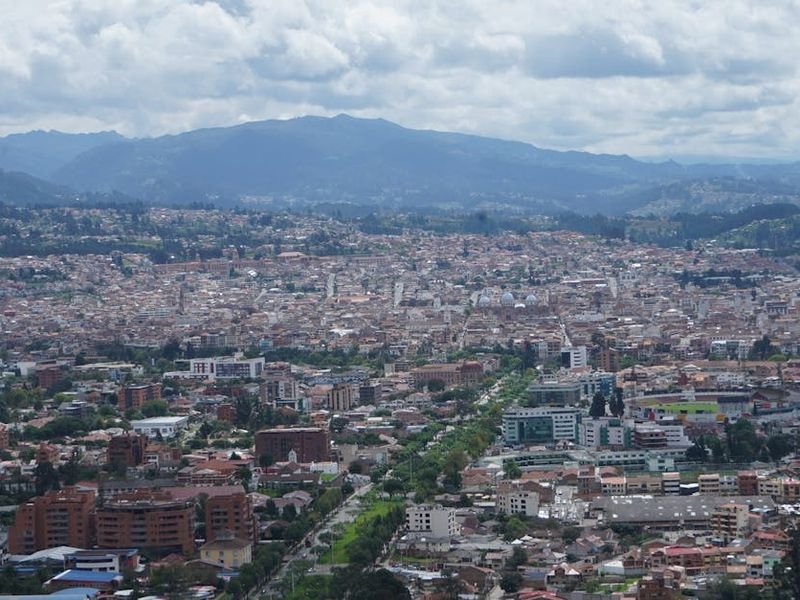
Cuenca’s compact historic center, mild Andean climate, and strong local food traditions make it an ideal city to adopt an eco-friendly lifestyle. As an expat you’ll find plenty of opportunities to reduce waste, lower your carbon footprint, and connect with local sustainability efforts—from hopping on the tranvía to sourcing produce from neighborhood farmers.
Getting around: low-carbon transport options
Transportation is one of the easiest everyday ways to shrink your environmental impact in Cuenca. The city’s walkable Centro Histórico, tree-lined riverbanks along the Tomebamba, and growing network of bike lanes mean many errands don’t require a car.
Walk and combine trips
Plan to do several errands in one outing. Walking is pleasant in Cuenca’s central neighborhoods and saves both money and emissions. Choose housing closer to the places you frequent—markets, medical services, and cafes—so more trips become walking trips.
Use the tranvía and buses
Cuenca’s tram line and municipal buses offer reliable, low-cost public transport for daily commutes and getting across town. For medium-length travel, the tranvía is often faster than a taxi and eliminates the emissions of a private vehicle.
Cycle smart
Bicycles and e-bikes are increasingly popular among locals and expats. Choose fat-tire bikes or sturdy hybrids for cobblestones and steeper streets. Secure parking and good locks are important. If you’re new to cycling in the Andes, start on flatter routes and use reflective gear for safety.
Shop local and seasonally: eat with a lighter footprint
Cuenca sits in a productive agricultural region: learning where and when to buy local produce dramatically reduces food miles and often supports small farmers directly.
Find weekly markets and producers’ fairs
Look for neighborhood producer markets and weekend organic fairs where farmers bring seasonal fruit, vegetables, dairy, and cheese. These markets typically have less plastic packaging and fresher goods than supermarket chains.
Learn Ecuadorian seasonality
Because of Cuenca’s elevation and proximity to diverse microclimates, what’s in season changes often. Ask vendors what’s just harvested, and plan your meals around produce that’s abundant—this is cheaper, fresher, and more sustainable.
Buy in bulk and reduce packaging
Bring reusable produce bags and small containers for bulk grains, beans, and nuts. Many specialty stores will refill your jars if you ask—this reduces single-use plastics and is a practiced habit among greener households.
Waste less: recycling, composting, and responsible disposal
Waste management in Cuenca is a mix of municipal services and grassroots solutions. You’ll get the most impact by combining source reduction, composting, and supporting local recyclers.
Start at the source
Before recycling, focus on producing less waste: buy fewer packaged goods, choose items with minimal or recyclable packaging, and prioritize reusable options like cloth napkins, containers, and water bottles.
Composting options for apartments and houses
Organic waste is a major portion of household trash—composting turns that into garden gold. If you have a yard, set up a simple three-bin or tumbling compost system. Apartment dwellers can use worm bins (vermiculture) or Bokashi fermenters for compact, low-odor options. Remember to keep a balance of greens (kitchen scraps) and browns (dry leaves, shredded paper) and to turn or aerate regularly.
Work with recycladores and drop-off centers
Informal recyclers and local collection centers are common in Ecuador. Collect clean, sorted recyclables—plastic, glass, paper, metal—and take them to a nearby centro de acopio or contact neighborhood recycladores. Many expat groups maintain updated lists of drop-off locations and pick-up schedules.
Dispose hazardous waste properly
Batteries, electronics, paints, and certain chemicals require special handling. Avoid throwing these into mixed trash. Check municipal bulletins or ask your building manager for the nearest safe disposal points or special collection days.
Make your home energy-efficient
Cuenca’s climate—mild days and cool nights—allows for many low-tech energy-saving measures that improve comfort and reduce bills.
Lighting, appliances, and heating
Switch to LED bulbs and use energy-efficient appliances when possible. Insulate windows with thermal curtains to trap heat on cool nights and keep rooms comfortable without constant heating. Ceilings fans are often preferable to space heaters; they’re efficient and provide year-round comfort.
Consider solar for water heating
Because of Ecuador’s mountainous terrain and strong sunlight, solar water heaters can be effective and economical in the long run. If you’re renting, ask landlords if upgrades are possible. For owners, investigate local installers and financing options to add rooftop solar panels or a solar water heater to your home.
Greener kitchens and household products
Small changes in the kitchen and cleaning routines add up quickly.
Switch to eco-friendly cleaners
Many household cleaners can be made at home with vinegar, baking soda, and essential oils, or purchased from refillable-cleaner stations. Avoid buying many single-use cleaning bottles; instead keep concentrated refills and reuse spray bottles.
Cook at home and reduce food waste
Cooking at home reduces packaging waste and can be healthier and cheaper. Use leftovers creatively—turn vegetable scraps into stock for soups and stews. Freeze portions to avoid spoilage and the temptation of frequent takeout plastic packaging.
Green housing choices: what to look for when renting or buying
If you’re house hunting in Cuenca, prioritize features that help you live sustainably and comfortably.
Orientation and natural light
A south-facing living room (in the Southern Hemisphere orientation is opposite; Cuenca is just south of the equator, so consider sun angles) and good windows can provide passive warmth and daylight. Look for buildings with good cross-ventilation to reduce the need for mechanical cooling.
Existing renewable features and space for gardening
Rooftop terraces, balconies, or small yards are ideal for container gardens, herbs, and small vegetable beds. Avoid properties that require intensive remodeling to add basic green features—a little outdoor space goes a long way.
Community and activism: plug into Cuenca’s green networks
One of the best ways to deepen your sustainable practice is to join local groups and projects. Community initiatives often share practical knowledge and create visible, positive impact.
Volunteer opportunities
Look for environmental clean-ups, tree plantings along riverbanks, urban gardening projects, and educational campaigns. Volunteering connects you with locals and long-term residents who know the city’s rhythms and challenges.
Online groups and meetups
Expat forums, Facebook groups, and community bulletin boards are rich resources for tips—where to find bulk refills, which shop sells composting worms, or who will take your used electronics. These networks also often organize swap meets and clothing exchanges to reduce consumption.
Practical starter checklist for new expats
If you’re new in Cuenca and want to begin living more sustainably right away, follow this simple action plan:
- Bring a durable water bottle and reusable shopping bags—avoid single-use plastics.
- Do a one-week waste audit to see where most of your trash comes from.
- Buy produce at a local market at least once a week to support local farmers.
- Set up a small compost system or join a community composting program.
- Switch to LED bulbs and unplug chargers when not in use.
- Try public transport for one commute per week and one car-free weekend day.
- Join a local environmental or gardening group to meet people and learn local practices.
Cultural tips for respectful green living in Cuenca
Practicing sustainability in a new country also means respecting local customs and economies. Here are a few pointers to keep your green efforts helpful and inclusive.
Support rather than replace local livelihoods
When you buy from small vendors and markets, you’re supporting families and preserving traditional foodways. Avoid imposing foreign solutions that compete with local businesses—for example, donating excess second-hand clothing is great, but try to coordinate with local charities to ensure items are useful and welcomed.
Work with local knowledge
Ask neighbors about composting, water-saving methods, and which plants grow best in specific microclimates. Local gardeners often have simple, proven techniques that work better than imported advice.
Long-term thinking: how to make an ongoing green impact
Small daily habits are vital, but long-term impact usually comes from community-level change and policy engagement. As an expat, you have unique perspectives and skills to share—offer help with community workshops, language exchange for local sustainability groups, or volunteer to map recycling points in your neighborhood.
Cuenca offers a vibrant combination of cultural richness and environmental opportunity. By choosing thoughtful transport, supporting local food systems, reducing waste, and engaging with the community, expats can live responsibly and enjoyably here. Start small, stay curious, and you’ll find many ways to make green living part of daily life in this beautiful Andean city.
Further actions and resources
To keep momentum, track one measurable habit over a month—cutting shopping bags, increasing recycling, or biking to work—and celebrate progress. Reach out to local expat and neighborhood groups for practical help finding compost supplies, refillable shops, or bulk buying partners. Together, small changes can add up to a big difference for Cuenca’s streets, rivers, and neighborhoods.
Ready to begin? Pack your reusable bag, find your nearest market, and take a tram ride to explore new neighborhoods—sustainable living in Cuenca is as practical as it is rewarding.