
Table of Contents
Why Cuenca is perfect for a greener expat lifestyle
Cuenca’s compact historic center, mild Andean climate, and lively local markets make it an ideal place to shrink your environmental footprint. The city’s walkable streets, nearby páramo and lakes in El Cajas National Park, and strong artisan culture mean you can easily combine low-impact living with a high quality of life. This guide gives practical, place-specific steps so you can live greener without sacrificing comfort.
Start at home: energy, water, and waste basics
When you first move in, take a few hours to evaluate the basics. Cuenca’s altitude and cool evenings mean heating isn’t as intensive as lower-altitude cities, but simple adjustments can cut energy use and improve comfort.
Energy: small upgrades, big gains
Look for simple energy wins: switch incandescent bulbs to LED, seal drafts around windows and doors, and add thermal curtains to bedrooms to lock in warmth at night. If you rent, discuss minor improvements with your landlord—many properties benefit from weatherstripping or a layer of insulation without major renovations.
Consider efficient water heaters or solar water heaters if you own—solar thermal panels are common in Ecuador’s highlands and can drastically reduce the energy used for hot water. If you’re exploring rooftop solar PV, research local suppliers and ask for references; Ecuador’s growing solar market means more affordable options and clearer permitting processes than a few years ago.
Water: taste the local supply, filter wisely
Cuenca’s municipal water utility supplies treated water across much of the city, but many expats opt to filter tap water for taste and peace of mind. A quality ceramic or carbon filter, or a countertop RO system for drinking water, reduces reliance on bottled water and lowers plastic waste. For watering plants and cleaning, use unfiltered tap water if it’s acceptable to you.
Small changes — shorter showers, turning off the tap while brushing teeth, and fixing leaks promptly — add up. If you have outdoor space, set up a rain barrel to collect runoff for garden use, being mindful of local regulations and mosquito prevention.
Waste: compost, recycle, and rethink consumption
Reducing what you bring into your home is the most effective step. Buy fewer packaged goods, shop markets instead of big-box stores when possible, and keep a set of reusable shopping bags and produce bags in your backpack or car.
- Composting: Even in apartment living, you can compost. Bokashi bins and vermiculture (worm) systems work well in small spaces and handle kitchen scraps efficiently. Start with a small indoor bin and graduate to a balcony system if you have outdoor room.
- Recycling: Cuenca has informal recycling networks and community collection points. Learn where local drop-offs are and whether recyclable materials are separated at your building. Separating food waste for composting reduces the volume you need to recycle or discard.
- E-waste and hazardous items: Don’t throw batteries, electronics, or paints in the regular trash. Ask your municipal office or neighborhood hardware stores about designated collection dates or take-back programs.
Shop smarter: markets, bulk buys, and local producers
One of the joys of living in Cuenca is access to vibrant markets and small producers. Shopping with intention reduces packaging, supports the local economy, and gets you fresher, seasonal food.
Make markets your main grocery source
Visit neighborhood mercados and ferias for fruits, vegetables, grains, and dairy. Open-air markets typically sell produce with little to no plastic and let you buy exactly the quantities you need. Bring reusable bags and a small cooler for days when you buy cheese, meat, or perishables.
Where to buy in bulk and specialty items
Cuenca has specialty stores and health-food shops that sell grains, nuts, and spices in bulk—great for reducing packaging. Look for tiendas a granel and organic stalls at weekend markets. For household staples, buy larger packs to reduce packaging per use and split bulk purchases with friends or neighbors if storage is limited.
Support local artisans and ethical brands
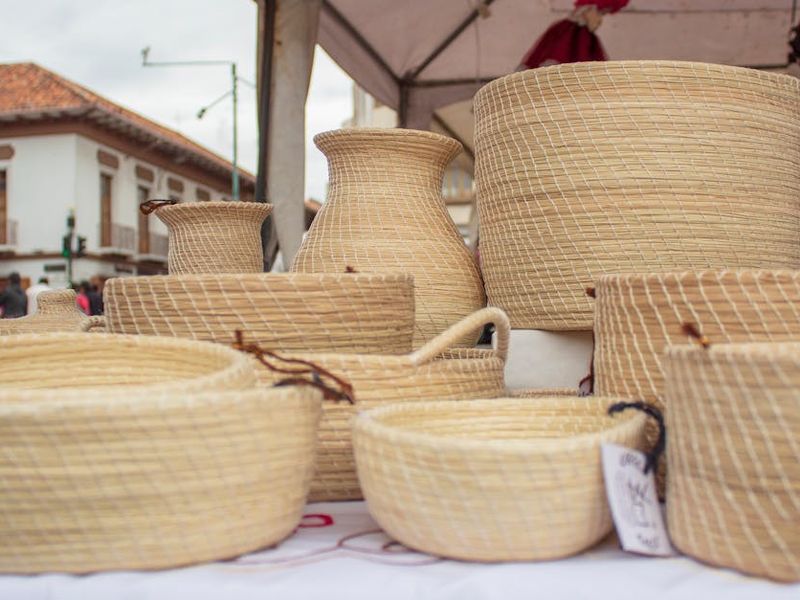
Buying locally made goods keeps money in the community and often lowers the product’s carbon footprint. Look for Ecuadorian-made textiles, ceramics, and leather crafted in Cuenca workshops. For clothing, favor timeless pieces rather than fast-fashion trends; Cuenca’s artisan belt and hat makers sell durable items made to last.
Getting around: lower-carbon transport options
Moving around Cuenca can be part of your sustainability plan. The city’s compact center, scenic riverside promenades, and growing bike infrastructure make walking and cycling easy choices for many daily trips.
Walk and bike when you can
The historic center and many nearby neighborhoods are highly walkable. Stroll along the Tomebamba River, cross the charming bridges, and use walking as your default for short errands. For longer trips, consider a bicycle — many expats use commuter bikes or e-bikes to handle hills and longer commutes. Secure bike parking and a solid lock are good investments.
Cuenca’s public buses cover most routes and are inexpensive. Using buses regularly reduces emissions compared with solo car trips. For evenings or when you need a car, use shared rides or taxis instead of renting a car full-time. If you do buy a vehicle, consider hybrids or efficient small-engine cars suitable for the city’s streets and fuel prices.
Green spaces and outdoor stewardship
Connecting with Cuenca’s parks and nearby natural areas strengthens your commitment to conservation and gives practical opportunities to help local ecosystems.
Explore and protect El Cajas and local parks
El Cajas National Park is a short drive from Cuenca and is rich in páramo ecosystems, lakes, and birdlife. Visit with a guide who follows Leave No Trace principles, stick to trails, and pack out all waste. In the city, support the upkeep of riverside promenades and plazas by participating in clean-up days or donating to neighborhood associations.
Create habitat at home
Even small balconies or windowsills can host pollinator-friendly plants such as native herbs and flowering species. Compost to enrich potting mixes and avoid pesticides. Small actions create green stepping stones through the urban landscape.
Community and volunteering: where to plug in
One of the fastest ways to learn about green living in Cuenca is by connecting with local groups. Expats and Ecuadorians alike organize around recycling, urban gardening, and river restoration.
Find local projects and volunteer
Look for community clean-ups along the Tomebamba River, neighborhood gardening initiatives, and NGOs focused on conservation in the Azuay province. Community centers, churches, and university bulletin boards often advertise volunteer opportunities. Volunteering helps you meet people and gives a sense of purpose as you adapt to life in Ecuador.
Learn Spanish to make deeper connections
Language opens doors to grassroots initiatives. Enroll in a conversational Spanish class, attend neighborhood meetings, and ask neighbors about how they manage recycling and composting. Local knowledge is often the quickest way to find drop-off points, barter networks, and shared resources.
Reduce, repair, reuse: practical daily tips
Make the 3Rs part of your routine with habit-driven changes that are easy to maintain.
- Carry a reusable water bottle and coffee cup; many cafés offer discounts for refills.
- Bring your own cutlery and a small container for takeout; many restaurants will happily pack food for you in your own box.
- Repair what you can—learn basic sewing and small appliance fixes or find local repair shops. Cuenca has tailors and cobblers who can extend the life of clothing and shoes affordably.
- Practice mindful consumption: before you buy, ask whether you truly need the item or if a local secondhand shop can supply it.
Budget-friendly green upgrades
Going green doesn’t have to be expensive. Here are some low-cost, high-impact ideas for expats on a budget:
- Install LED bulbs throughout your home — immediate energy savings and long-lasting bulbs cost little.
- Use a simple ceramic water filter rather than buying bottled water.
- Start a counter-top compost bin to cut food waste and produce free soil for herbs.
- Swap disposable household items for reusable versions over time—one kitchen utensil or dish at a time is manageable and affordable.
Practical checklist for new arrivals
Use this quick checklist when you arrive or move to a new place in Cuenca:
- Inspect your heating and windows; add weatherstripping or curtains as needed.
- Locate the nearest mercados, bulk shops, and compost/recycling drop-offs.
- Buy a reusable bag, produce bags, water bottle, and reusable coffee cup.
- Set up a small compost system, even if it’s a sealed counter-top unit.
- Plan to use public transport or a bike for regular errands and register for any local transit card if required.
- Find community groups or local environmental organizations and attend an event within your first month.
Final thoughts: make sustainability local and social
Living sustainably in Cuenca is less about perfection and more about making practical, culturally aware choices. Small habits—shopping at mercados, using public transport, composting kitchen scraps, and supporting local artisans—add up to meaningful reductions in waste and emissions. The city’s human scale and rich outdoor surroundings make it easier than in many places to weave green practices into daily life.
Start with one or two changes, celebrate progress, and use community networks to learn practical tips from locals and long-term expats. Over time, your small steps will create lasting benefits for your wallet, your health, and the beautiful landscapes that make Cuenca special.
Adam Elliot Altholtz serves as the Administrator & Patient Coordinator of the “Smilehealth Ecuador Dental Clinic“, along with his fellow Expats’ beloved ‘Dr. No Pain‘, right here in Cuenca, Ecuador, and for purposes of discussing all your Dental needs and questions, is available virtually 24/7 on all 365 days of the year, including holidays. Adam proudly responds to ALL Expat patients from at least 7:00am to 9:00pm Ecuador time, again every single day of the year (and once more even on holidays), when you write to him by email at info@smilehealthecuador.com and also by inquiry submitted on the Dental Clinic’s fully detailed website of www.smilehealthecuador.com for you to visit any time, by day or night. Plus, you can reach Adam directly by WhatsApp at +593 98 392 9606 -or by his US phone number of 1‐(941)‐227‐0114, and the Dental Clinic’s Ecuador phone number for local Expats residing in Cuenca is 07‐410‐8745. ALWAYS, you will receive your full Dental Service in English (NEVER in Spanish), per you as an Expat either living in or desiring to visit Cuenca by your Dental Vacation, plus also to enjoy all of Ecuador’s wonders that are just waiting for you to come arouse and delight your senses.