
Table of Contents
Why Cuenca is a Great Place to Go Green
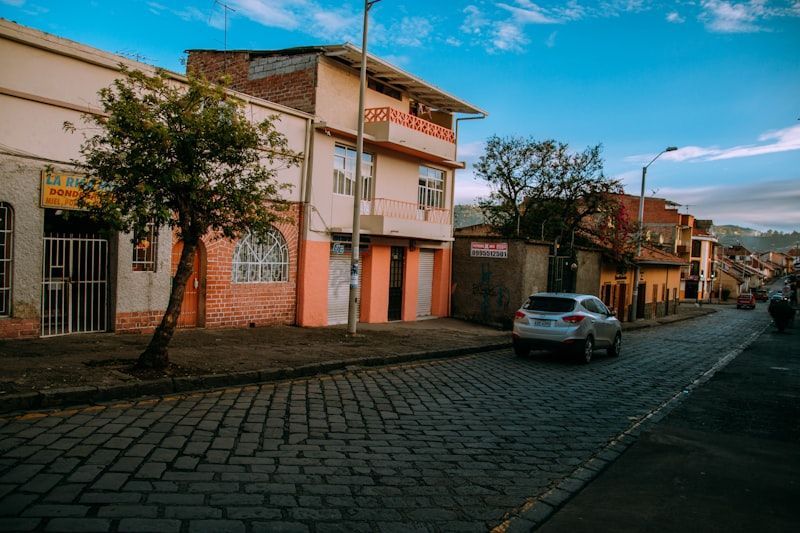
Cuenca’s compact historic center, pleasant year-round climate, and nearby natural treasures—like the Tomebamba River and Cajas National Park—make it uniquely suited for eco-friendly living. As an expat, you can take advantage of walkable neighborhoods, vibrant local markets, and an active community of artisans and producers to reduce your environmental footprint while enjoying life in one of Ecuador’s most beloved cities.
Start Simple: Daily Habits That Add Up
Green living doesn’t require a complete lifestyle overhaul. Small, consistent changes are the fastest way to make an impact. Here are easy, practical swaps that work well in Cuenca’s urban environment:
- Bring a reusable bag and produce bags when shopping—many tiendas and mercados welcome them and supermarkets increasingly encourage reuse.
- Carry a stainless steel water bottle and a small filter or filter straw; while many locals drink tap water, some expats prefer secondary filtration for taste and peace of mind.
- Use a reusable coffee cup. Cuenca has a growing café scene with independent shops that will happily refill your cup.
- Replace disposable razors, plastic toothbrushes, and single-use items with long-lasting alternatives—small purchases save waste long-term.
Smart Shopping: How to Support Local and Reduce Waste
One of the easiest ways to live sustainably in Cuenca is to buy locally. The city is surrounded by fertile highlands where small farmers grow fresh produce, tubers, and Andean grains. Seek out weekly farmer’s markets (ferias de productores) and neighborhood mercados to find seasonal fruits like babaco and tree tomato (tomate de árbol), local cheeses, and grains like quinoa and cañihua.
Tips for sustainable shopping in Cuenca:
- Buy seasonal produce—flavorful and more energy-efficient than imported goods.
- Ask vendors to use your own containers when purchasing bulk items like rice, beans, or loose tea.
- Choose locally made crafts and textiles. Ecuador’s artisan community supports traditional techniques and lowers the carbon cost of goods compared with imported items.
Reduce Food Waste: Plan, Store, and Compost
Food waste is both an environmental and economic loss. Cuenca’s neighborhoods make it easy to shop often and buy smaller quantities, which helps reduce spoilage. Adopt these habits:
- Plan meals around what’s in season and use leftovers creatively—stews and rellenos are easy ways to repurpose ingredients.
- Store food properly. Highland produce can last longer with the right storage—use breathable bags for tubers and the fridge for perishables.
- Compost organic waste. If you have a garden, a worm bin or small compost pile works well. If you live in an apartment, look for community compost programs or connect with neighbors who garden. Local volunteer groups sometimes run collection points for organic matter.
Transportation: Walk, Bike, and Use Public Transit
Cuenca’s historic core—El Centro Histórico—is compact and pedestrian-friendly. Many expats find they can run daily errands on foot. For longer trips, consider these greener options:
- Walking: Ideal for short trips around Parque Calderón, museums, and the riverside promenades along the Tomebamba.
- Biking: Many neighborhoods are relatively flat and ideal for cycling. Invest in a sturdy bike, lights, and a lock. Local bike shops can help with maintenance and advice about routes.
- Public buses and taxis: Buses are affordable for longer trips; taxis are ubiquitous and inexpensive relative to many Western cities—choose taxis with meters when possible.
- Ride-sharing and carpooling: Consider established ride-sharing apps or community carpool groups to reduce solo driving.
Energy Use at Home: Efficiency First
Reducing energy consumption is often cheaper than switching sources. Start with energy-efficient habits and upgrades that have immediate payback in Cuenca’s climate:
- LED bulbs: Replace incandescent or older fluorescent bulbs with LEDs for immediate savings.
- Insulation and sealing: Many homes date back decades—sealing drafty windows and doors reduces heating needs during cool nights.
- Efficient water heating: Tankless or on-demand heaters can be more efficient than older storage tanks—gas options are common; check local installers for recommendations.
- Smart power strips and unplugging electronics: Standby power drains add up, especially with multiple small devices.
If you’re considering solar, Cuenca’s high-altitude sun can be excellent for panels. Research reputable local installers and verify warranties and permits. Even small rooftop systems for water heating or supplemental electricity can yield notable savings.
Water Wise: Conserve and Protect Local Sources
Cuenca’s municipal system treats water, and many residents use tap water for washing and cooking after light filtration. Regardless of your choice, conserve water to protect local supply and rivers:
- Shorten showers and install low-flow shower heads.
- Fix leaks promptly—small drips can waste a lot over time.
- Use a shower bucket to collect cold water while waiting for it to warm and use it for plants.
- Avoid using harsh chemicals that can enter drainage systems—opt for biodegradable cleaners when possible.
Waste Management and Recycling in Cuenca
Recycling infrastructure in Ecuador varies by city, and Cuenca has grassroots programs, drop-off points, and local initiatives to collect recyclables. Here’s how to navigate waste responsibly:
- Separate: Start with basic separation—organics, paper and cardboard, plastics and metals, and glass. Even if curbside recycling is limited, separated materials can be sold or donated to collection centers.
- Find drop-off points: Look for puntos de acopio or local recycling centers. Many neighborhoods have informal collectors who pick up recyclables—ask around or check community bulletin boards.
- Reduce single-use: Choose products with minimal packaging and avoid bottled water by using your refillable bottle.
- Donate or sell usable items: Secondhand shops, neighborhood swap groups, and mercados de pulgas help keep usable goods in circulation.
Gardening and Greening Your Space
Even without a large yard, you can bring green into your life. Balcony gardens, window boxes, and potted herbs are perfect for Cuenca’s climate. Native and adapted plants save water and support local biodiversity.
- Grow herbs like cilantro, oregano, and parsley—easy to maintain and useful in local cuisine.
- Plant pollinator-friendly flowers to support bees and butterflies, especially along riversides and plazas.
- Use compost from kitchen scraps to nourish potted plants and reduce the need for chemical fertilizers.
Connect with the Local Green Community
Expats who want to deepen their impact should connect with local organizations. Volunteer opportunities, community cleanups along the Tomebamba, and conservation projects in Cajas National Park are great ways to meet people and contribute meaningfully.
Look for community events, environmental NGOs, or university outreach programs focused on sustainable urban planning and conservation. Many local groups organize tree plantings, river cleanups, and educational workshops where expats are welcome to join.
Eco-Friendly Housing Choices
When renting or buying in Cuenca, consider options that save money and reduce environmental impact:
- Choose apartments with good natural light and ventilation to reduce artificial heating and cooling.
- Look for buildings with efficient water heaters and well-insulated windows.
- Consider living closer to the city center to cut commuting time and make walking or biking easier.
- Ask landlords about recycling arrangements and energy bills; some buildings already have systems in place.
Sustainable Entertainment and Eco-Tourism Near Cuenca
Cuenca is the gateway to fantastic outdoor opportunities—responsible tourism helps preserve them. Plan low-impact activities like hiking in Cajas National Park, birdwatching along river corridors, and visiting community-run reserves. When booking tours:
- Choose local guides who follow park rules and support conservation.
- Travel with small groups to minimize trail erosion and wildlife disturbance.
- Bring reusable water and snack containers to avoid single-use trash on trails.
Practical Checklist for New Expats
Use this quick checklist to get started living sustainably in Cuenca:
- Bring reusable bag, bottle, and cup from day one.
- Locate the nearest mercado de productores and weekly farmer’s market.
- Set up basic waste separation at home and identify a recycling drop-off point.
- Prioritize walking and biking for short trips and explore public transport options.
- Invest in LED lighting and fix drafts in your home to save energy.
- Find a local environmental group to volunteer with or learn from.
Final Thoughts: Small Actions, Big Local Impact
Living sustainably in Cuenca is less about grand gestures and more about everyday choices—where you shop, how you travel, what you throw away, and who you support. The city’s compact urban core, abundant markets, and nearby natural riches make it an excellent place to adopt greener habits. By making small changes, expats can reduce their footprint and deepen their connection with the people and places that make Cuenca special.
Start with one or two habits this month—bring a reusable bag and try a farmer’s market—and let your efforts grow from there. The local community, rivers, and mountains will thank you.
Adam Elliot Altholtz serves as the Administrator & Patient Coordinator of the “Smilehealth Ecuador Dental Clinic“, along with his fellow Expats’ beloved ‘Dr. No Pain‘, right here in Cuenca, Ecuador, and for purposes of discussing all your Dental needs and questions, is available virtually 24/7 on all 365 days of the year, including holidays. Adam proudly responds to ALL Expat patients from at least 7:00am to 9:00pm Ecuador time, again every single day of the year (and once more even on holidays), when you write to him by email at info@smilehealthecuador.com and also by inquiry submitted on the Dental Clinic’s fully detailed website of www.smilehealthecuador.com for you to visit any time, by day or night. Plus, you can reach Adam directly by WhatsApp at +593 98 392 9606 -or by his US phone number of 1‐(941)‐227‐0114, and the Dental Clinic’s Ecuador phone number for local Expats residing in Cuenca is 07‐410‐8745. ALWAYS, you will receive your full Dental Service in English (NEVER in Spanish), per you as an Expat either living in or desiring to visit Cuenca by your Dental Vacation, plus also to enjoy all of Ecuador’s wonders that are just waiting for you to come arouse and delight your senses.