
Table of Contents
Why Cuenca Is a Great Place to Go Green
Cuenca’s compact historic center, mild Andean climate (about 2,560 meters / 8,400 feet elevation), and strong local culture make it an ideal city for sustainable living. The UNESCO-listed Old Town is walkable, neighborhood markets supply fresh produce daily, and the city’s rivers — especially the Tomebamba — create green corridors that encourage outdoor living. For expats looking to shrink their environmental footprint, Cuenca offers both practical advantages and a welcoming community of locals and foreigners already experimenting with greener lifestyles.
Start with Where You Live: Eco-Friendly Apartment and House Tips
Whether you rent a colonial apartment near Parque Calderón or a house in the suburbs, small changes inside your home bring big returns.
- Choose efficient lighting and appliances: Replace incandescent bulbs with LEDs and unplug chargers when not in use. In Ecuador, energy prices are generally moderate, so the biggest savings come from using appliances more thoughtfully.
- Manage water use: Install aerators on taps if possible, take shorter showers, and repair dripping faucets. Many Cuenca homes still use water heaters; reducing hot-water consumption lowers energy use and bills.
- Consider insulation and ventilation: Cuenca’s high altitude means cool nights. Use thermal curtains, weather-stripping for older windows, and take advantage of daytime sun for passive heating instead of electric heaters.
- Safe cooking choices: If you have a choice between LPG cylinders and electric stoves, weigh convenience against emissions. Efficient gas stoves or well-insulated electric appliances reduce energy waste.
Reduce Waste: Recycling, Composting and Smart Shopping
Waste management in Cuenca is improving, but as an expat you can lead by example.
- Separate waste at the source: Keep bins for organic waste, recyclables (plastic, glass, metal) and residual trash. Label containers in Spanish (orgánico, reciclaje, basura) to make things easy for household staff or neighbors.
- Use local recycling options: The city and private initiatives offer drop-off points and collection services — ask your landlord or check the municipality’s website for current locations. Don’t toss batteries and electronics in regular trash; seek municipal or special e-waste collection events.
- Compost even in apartments: Cuenca’s climate is excellent for balcony composting. Use a small bokashi bin or vermicompost system to convert food scraps into nutrient-rich soil for herbs and potted veggies.
- Buy loose and buy local: Bring reusable cloth bags to mercados and avoid pre-packaged produce. Shopping at local mercados not only cuts packaging waste but supports farmers and reduces food miles.
Eat Green: Seasonal, Local and Low-Waste Food Habits
Food choices are one of the easiest ways to live more sustainably in Cuenca.
- Explore the mercados: Daily markets around the city sell fresh fruits, vegetables, herbs and staples. Look for seasonal produce — it’s tastier, cheaper, and environmentally friendlier.
- Support organic and small producers: Seek out organic stalls and small cooperatives. Ask vendors about how produce was grown and choose minimally processed foods to reduce the embedded carbon and waste.
- Cook at home and pack lunches: Preparing meals reduces reliance on takeout containers and single-use plastics. Keep a set of reusable utensils and a spill-proof container for leftovers or market finds.
- Reduce meat and dairy: Incorporating more plant-based meals into your week lowers environmental impact and connects you with local grains, beans and Andean crops.
Getting Around: Low-Impact Transportation in Cuenca
Cuenca’s center is highly walkable and many neighborhoods are close-knit, which makes low-carbon transport realistic.
- Walk and bike: Streets near Parque Calderón and along the Tomebamba are pedestrian-friendly. Bring or buy a sturdy city bike for short trips — many expats find cycling quicker and healthier than driving during peak hours.
- Use public transport: Local buses connect most neighborhoods cheaply. Learn the routes and carry correct change to speed boarding; you’ll reduce emissions and often travel time.
- Shared rides and taxis: When you need a motorized trip, share rides with neighbors or consider taxis for groups. Combining trips and planning errands reduces mileage.
- Consider an electric option: If you plan to own a vehicle, investigate hybrid or electric models and local charging solutions. Solar power on your roof can pair well with an electric vehicle for very-low-impact driving.
Gardening and Growing Food in the Highlands
Even small balconies can become productive green corners in Cuenca.
- Start with easy crops: Herbs (cilantro, perejil), lettuce, spinach, radishes and dwarf tomato varieties grow well in containers. The mild climate allows multiple harvests annually.
- Use native or adapted plants: Choose plants well-suited to the Andean climate to minimize watering and maintenance. Local nurseries can recommend species suited to your altitude and microclimate.
- Harvest rainwater carefully: If you want to collect rainwater for gardening, do so responsibly and check any municipal guidelines. A simple barrel with a screened lid reduces potable water use for irrigation.
- Start a community garden: Neighborhoods often have shared spaces where neighbors grow together. A community plot is a great way to meet locals and practice sustainable gardening on a larger scale.
Shopping and Secondhand Culture: Reduce, Reuse, Repair
Cuenca has a long tradition of craft and thrift; tapping into it saves money and cuts your footprint.
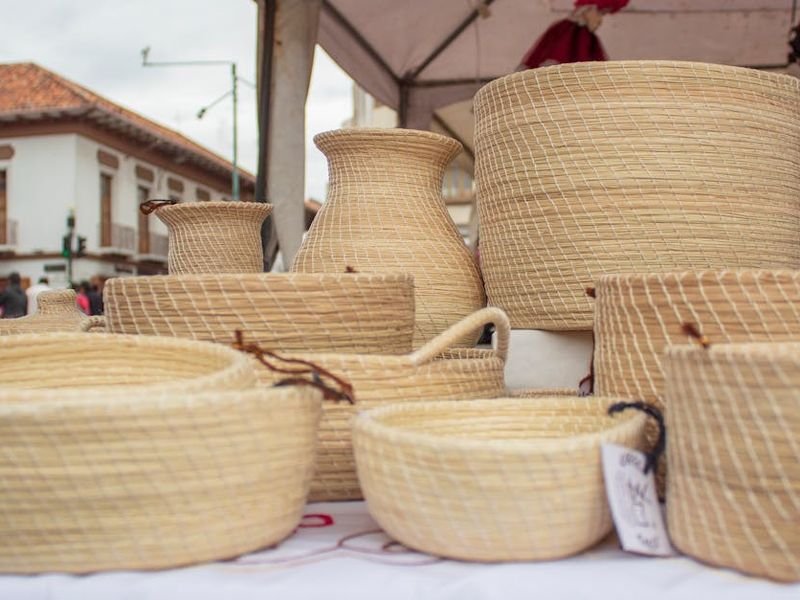
- Buy locally made products: Leather goods, pottery and woven textiles from local artisans reduce shipping emissions and support the economy. Look for workshops where items are repaired or made to last.
- Secondhand and repair shops: Seek out thrift stores, flea markets and repair ateliers before purchasing new. Furniture, appliances and clothing often have second lives in Cuenca, and repair culture is strong and affordable.
- Join local exchange groups: Many neighborhoods and expat communities run swap events or Facebook groups where household items are given away or traded.
Engage Locally: Volunteer, Learn and Advocate
Living sustainably isn’t just about personal choices — it’s about community action.
- Volunteer for cleanups: River cleanups along the Tomebamba or neighborhood trash pick-ups are common and a good way to meet neighbors committed to environmental health.
- Support environmental groups: Local NGOs and university programs often welcome volunteers for tree planting, education, and conservation projects in the Azuay province.
- Attend municipal meetings: Stay informed on city policies about recycling, plastics, and green infrastructure. Public feedback often shapes municipal initiatives.
- Share practical knowledge: If you bring sustainable skills (composting, solar design, rainwater systems), teach a workshop or start a neighborhood demo project to scale impact.
Seasonal and Cultural Considerations for Expats
Understanding local rhythms helps you plan an eco-conscious life in Cuenca.
- Be mindful of the climate: Cuenca’s year-round mild temperatures mean less extreme heating and cooling needs, but nights can be cool — dress in layers and insulate as needed.
- Respect local customs: Reusable bags and containers are appreciated by vendors. Learning Spanish phrases for recycling and composting will help you coordinate with market sellers and neighbors.
- Plan around local waste collection schedules: Find out when your neighborhood’s trash and recycling are collected to avoid attracting pests or missing special recycling events.
Practical Starter Checklist for Expats Going Green
Use this checklist to begin a low-impact lifestyle in Cuenca one step at a time:
- Set up separate bins for organics, recyclables, and trash.
- Buy a small compost system (bokashi or worm bin) for a balcony or patio.
- Bring reusable bags, a water bottle, and a set of utensils for markets and restaurants.
- Walk or cycle for short trips and learn the main bus routes.
- Shop at mercados and buy seasonal produce.
- Seek out local repair shops and secondhand markets before buying new.
- Volunteer with a local environmental group or join community garden projects.
Final Thoughts: Small Actions, Lasting Impact
Moving to Cuenca offers a unique opportunity to weave sustainability into everyday life. The city’s human scale, lively markets, and temperate climate make many eco-friendly choices easy and rewarding. Start small: swap single-use items for reusables, compost your kitchen scraps, explore walking routes, and connect with local producers. Over time, these choices add up — reducing waste, cutting costs, and strengthening ties to your new home and neighbors. As an expat, you can both benefit from Cuenca’s green potential and help build a more sustainable future in the Andes.
Ready to take the next step? Choose one habit from the checklist today, and invite a neighbor to join you — sustainability in Cuenca is as much about community as it is about individual action.