
Table of Contents
Why Choose a Greener Life in Cuenca?
Cuenca’s compact historic center, abundant green spaces and vibrant markets make it an ideal place to adopt a sustainable lifestyle. As an expat, you can take advantage of the city’s walkable neighborhoods, local food systems and growing environmental awareness to reduce your carbon footprint while saving money and deepening your connection with the local community.
Understand the Local Context
Cuenca sits high in the Andes and has a mix of colonial buildings, modern neighborhoods and rapidly expanding suburbs. The city center—around Parque Calderón and the Río Tomebamba—offers short distances between daily needs, while outlying barrios require more travel. Public services, recycling programs and community initiatives vary by neighborhood, so your sustainability strategy will depend on where you live.
Key takeaways about the city
- Walking and short trips are often faster and greener than driving in the historic center.
- Local markets and small vendors offer abundant seasonal produce.
- Municipal services for recycling and composting are improving but still inconsistent — neighborhood-level solutions are common.
Shop Smart: Food, Groceries and Reducing Waste
One of the easiest ways to live sustainably in Cuenca is to change how and where you buy food. The city’s mercados municipales and neighborhood markets are filled with fresh fruits and vegetables, herbs and locally raised eggs—buying there reduces packaging and supports local producers.
Practical tips for greener shopping
- Bring a set of reusable bags and produce bags for market shopping; many vendors are happy to skip plastic when you ask.
- Seek out weekend organic markets and small producers; they often sell in bulk or with minimal packaging.
- Try buying a share in a local vegetable cooperative or CSA-style arrangement when available—seasonal boxes help reduce food miles.
- Look for refill stores and natural shops for staples like rice, beans, and cleaning products—refilling containers lowers plastic consumption.
Transport: Move Around Without Adding Emissions
Cuenca’s historic center is pedestrian-friendly and many expat households manage without owning a car. That not only reduces emissions but also saves on insurance, parking and maintenance.
Low-impact transport options
- Walking: Choose housing near the amenities you use most—groceries, pharmacies, health clinics—to minimize daily travel.
- Public transport: Use city buses for longer trips rather than taxis when possible; they’re inexpensive and frequent.
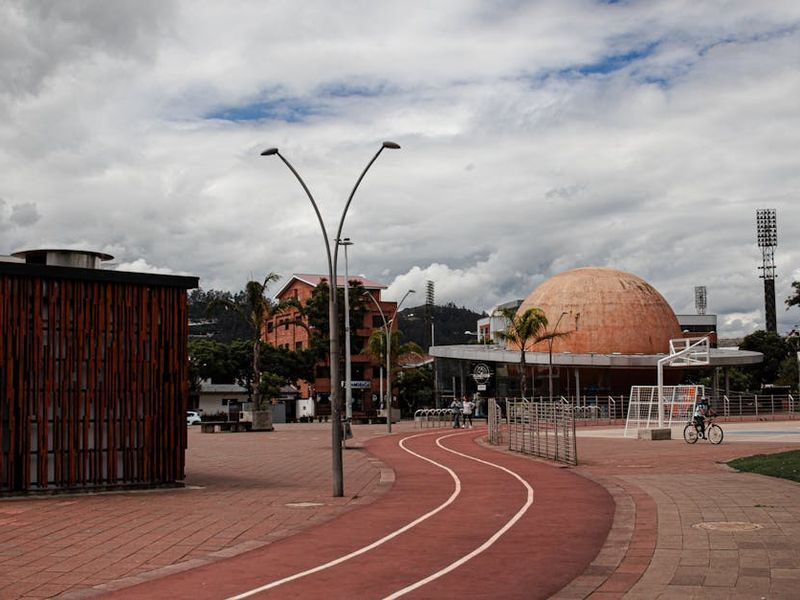
- Bikes: Cycling is growing—invest in a quality bike, helmet and lock. Use bike-friendly routes along the Tomebamba or quieter residential streets.
- Car alternatives: For occasional longer trips, use shared taxis, ride-hailing apps or arrange carpooling with neighbors.
Home Energy: Make Your Apartment or House More Efficient
At 2,500+ meters elevation, Cuenca has cool, stable temperatures—this works to your advantage if you focus on retaining heat and using efficient appliances.
Simple, high-impact changes
- Switch to LED bulbs and unplug chargers and devices when not in use to avoid vampire power drain.
- Improve insulation: add thermal curtains, seal drafts around older windows and doors, and use rugs on tile floors to retain warmth.
- Choose efficient cooking and water heating: if your home uses LPG or gas cylinders, maintain appliances for efficient combustion. Consider a solar water heater for savings and reduced emissions if your building allows installation.
- Upgrade to energy-efficient appliances when replacing older models—look for energy labels and local vendors who can advise on models suited to local power conditions.
Water Use: Preserve a Precious Resource
Cuenca sits in a region with reliable water sources, but conservation is still important—both to reduce household costs and to minimize strain on infrastructure during drier months.
Practical water-saving measures
- Install low-flow showerheads and faucet aerators; they’re inexpensive and reduce consumption without losing comfort.
- Fix leaks promptly—small drips can waste substantial water over time and many landlords appreciate help identifying problems.
- Reuse greywater for gardening where regulations and systems allow—simple buckets for shower runoff can be used to water outdoor plants.
- Choose native or drought-tolerant plants for any balcony or yard garden to minimize watering needs.
Waste Management: Reduce, Reuse, Compost
The municipal waste system in Cuenca is evolving, but many neighborhoods rely on grassroots approaches to recycling and composting. As an expat, you can lead by example and adopt habits that make a real difference.
How to handle household waste sustainably
- Sort at home: separate organics, recyclables and general waste. Many neighborhoods have neighborhood collectors or voluntaries who pick up separated materials.
- Find local centros de acopio (collection centers) for plastic, glass, paper and metals—ask neighbors or local Facebook groups for the nearest one.
- Composting: If you have outdoor space, start a simple compost heap. For apartments, try vermicomposting in a bin—worms do a great job with kitchen scraps and create rich soil for plants.
- Avoid disposable tableware and single-use plastics—carry a reusable mug, a cutlery set and a takeout container for leftovers.
Green Housing Choices and Renovations
Whether renting or buying, make mindful choices to reduce energy use and improve comfort. Many expats renovate older homes—these projects are opportunities to improve sustainability.
What to look for or change
- Orientation and windows: South-facing windows (in the southern hemisphere) get more sun—use this natural warmth wisely and add shading if overheating becomes an issue in the sunniest months.
- Thermal mass: thick walls and tile floors commonly found in colonial houses help moderate temperatures—pair them with textiles and rugs for comfort.
- Water-saving fixtures and efficient stoves: when renovating, prioritize long-lasting upgrades that reduce utility bills.
- Green roofs and balcony gardens: even small pots or vertical planters improve air quality, support pollinators and reduce heat islands.
Community and Volunteering: Amplify Your Impact
Sustainability is social. Connecting with local organizations, community gardens and neighborhood juntas accelerates change and helps you integrate into Cuenca life.
Ways to get involved
- Join local environmental groups or volunteer at events like river cleanups and tree plantings—these are common in and around the city.
- Attend neighborhood assemblies (juntas) to learn about municipal waste programs and to advocate for better recycling or bike lanes.
- Share skills: host a workshop on composting, energy-saving DIY fixes or simple repairs for neighbors and expats.
- Connect with expat social media groups that focus on sustainability—people often swap seeds, tools and information about green suppliers.
Local Resources: Where to Buy, Learn and Connect
Finding the right suppliers and learning opportunities will make your green transition easier. Seek out small producers, bulk shops, and workshop offerings across the city.
Practical starting points
- Municipal markets and farmers’ stalls: ideal for seasonal produce and direct contact with growers.
- Health food shops and zero-waste sections of local stores for refills and eco-friendly cleaning products.
- Community gardens, botanical spaces and weekend eco-markets—great for learning about native plants and sustainable gardening methods.
- Local repair shops and artisans: instead of throwing things away, support repairs—tailors, cobblers and appliance technicians are often happy to fix items inexpensively.
Cultural Considerations and Practical Tips for Expats
Living green in Cuenca means learning how locals approach daily life. Many sustainable practices are embedded in local routines—notice them and adapt respectfully.
Helpful cultural tips
- Ask neighbors how they separate trash and where recyclables are collected—rules are often informal and neighborhood-specific.
- Learn a few Spanish phrases around recycling and composting—clear communication opens doors to local resources and goodwill.
- Be patient with municipal services: progress happens through community pressure and local initiatives; joining these efforts accelerates change.
Small Steps Add Up: A 30-Day Green Starter Plan
If you’re ready to make changes but don’t know where to start, try this month-long plan to build new habits:
- Week 1: Audit your waste. Start separating organics, plastics, paper and general trash. Get reusable bags and a coffee mug.
- Week 2: Cut energy use. Replace any incandescent or CFL bulbs with LEDs, unplug unused chargers, and set simple habits like turning off lights.
- Week 3: Change your shopping. Visit a market, bring your bags, and buy only what you’ll use. Try a local bulk store for staples.
- Week 4: Join a group. Find one local environmental or community garden group and attend a meeting or volunteer session.
Final Thoughts: Living Well and Lightly in Cuenca
Adopting a sustainable lifestyle in Cuenca is less about perfection and more about consistent, practical choices. By shopping locally, cutting waste, using low-impact transport and engaging with your neighborhood, you won’t just reduce your environmental footprint—you’ll feel more connected to the rhythms of the city. Whether you’re in a colonial apartment by the Río Tomebamba or a newer barrio on the city’s edge, there are accessible, affordable ways to live greener and enjoy the rich cultural life Cuenca offers.
Start small, learn from locals, and let your green habits grow—one mercado trip, one compost bucket and one shared bike ride at a time.