
Table of Contents
Why Choose a Greener Life in Cuenca?
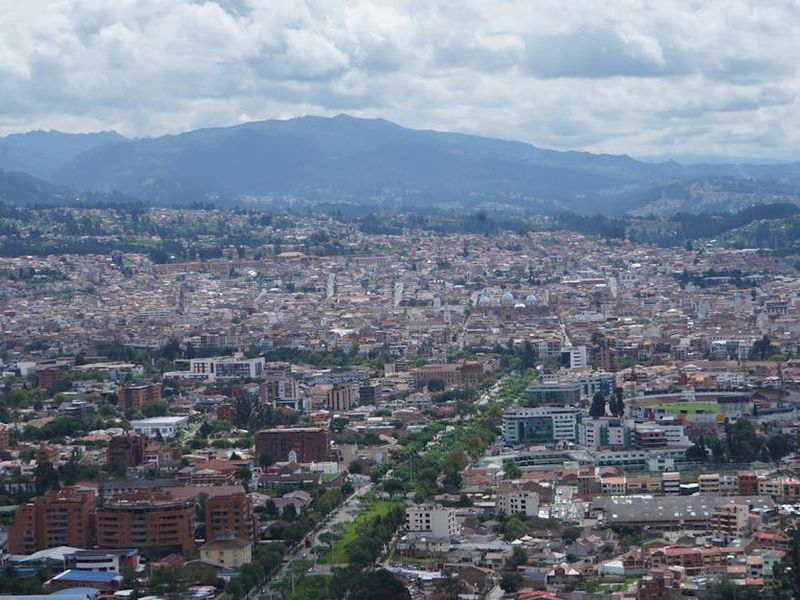
Cuenca’s cobblestone streets, cool mountain air and tree-lined riverbanks make it easy to appreciate nature. As an expat, adopting sustainable habits not only reduces your environmental footprint but also helps you connect with the rhythms of this Andean city. At roughly 2,500–2,600 meters above sea level, Cuenca’s temperate climate and strong local markets make low-impact living both practical and rewarding.
Start With Where You Shop: Eat Seasonal, Buy Local
One of the simplest eco-friendly steps is shifting where and how you buy food. Cuenca has a lively market culture: neighborhood produce stands and the central markets brim with seasonal fruits, vegetables, herbs and cheeses. Buying from local vendors reduces packaging and transport emissions while supporting small farmers and producers.
Practical tips for greener grocery shopping
- Bring reusable produce bags and a tote—many vendors will welcome them and you’ll avoid single-use plastic.
- Shop the harvest: ask vendors what’s freshest to reduce waste and get the most flavor for your money.
- Compare supermarket chains like Supermaxi or Tía for bulk or staple items, but prioritize mercados for produce and fresh bread.
- Look for unpackaged options—eggs, loose grains and cheeses sold by weight are common at local stalls.
Reduce, Reuse, Recycle: How Waste Management Works in Cuenca
Waste systems in Ecuadorian cities vary, and Cuenca has developed community-level solutions alongside municipal services. Many expats find recycling and composting the easiest ways to cut landfill waste.
Recycling basics
Start by separating paper, cardboard, glass, metal and plastics at home. In many neighborhoods, informal collectors—recycladores—purchase sorted recyclables, or you can find municipal drop-off points. If you prefer a consistent pickup, local private recycling services sometimes offer scheduled collection for a small fee. Ask neighbors or expat Facebook groups for services in your sector.
Composting in apartments and houses
Even if you live in an apartment, composting is possible. Options like vermicomposting (worm bins) or bokashi systems work well in small spaces and produce rich soil for potted plants. For house owners with a yard, a simple three-bin compost setup lets you process kitchen scraps and yard waste over time.
- Tip: Keep citrus and onion peelings limited in small worm bins to avoid odors; mix coffee grounds and shredded paper for balanced compost.
- Tip: Look for local gardening stores (viveros) to buy worm composting kits, compost tumblers or soil amendments.
Save Water—Cuenca’s Climate and Practical Measures
Cuenca’s mild climate reduces the need for heavy water use compared to hotter regions, but conservation still matters, especially during dry stretches. Tap water in many parts of Cuenca is treated and used by locals, but some expats prefer filters or bottled water for peace of mind.
Simple water-saving actions
- Install low-flow showerheads and faucet aerators to cut consumption without sacrificing comfort.
- Collect shower warm-up water for plant watering or cleaning tasks to reuse greywater responsibly (avoid using it on edible plants if soapy).
- Use a water filter for drinking and cooking—many neighborhoods offer refill stations where you can refill larger jugs to reduce single-use bottles.
- Embrace line-drying: Cuenca’s cool air is ideal for drying clothes on balconies or patios and saves electricity compared to dryers.
Energy Efficiency and Renewable Options
Electricity in Cuenca tends to be reliable, but energy efficiency is the easiest, most cost-effective way to be greener. The city’s ample daylight makes solar options attractive for hot water and small-scale power generation.
Everyday energy-saving habits
- Replace incandescent or halogen bulbs with LEDs—these last longer and use far less energy.
- Unplug chargers and appliances when not in use; vampire loads add up over a month.
- Choose energy-efficient appliances when replacing older models. Look for SE rating or energy labels where available.
- Insulate windows and doors—proper sealing helps keep homes comfortable without excessive heating.
Going solar—what to consider
Solar water heaters are popular in many Ecuadorian homes because they can dramatically reduce gas or electric hot water bills. For full solar arrays, assess roof orientation, municipal permitting and the up-front investment versus long-term savings. Speak with local installers and ask neighbors for referrals—prices and service quality vary.
Sustainable Transportation in a Walkable City
Cuenca’s compact center and riverside promenades make walking and cycling enjoyable and practical. Many expats find a bike or e-bike transforms daily life: grocery runs, commutes and weekend rides along the Tomebamba River become greener and more fun.
Transport choices that cut your footprint
- Walk whenever possible—the historic center is pedestrian-friendly and filled with shops, cafes and plazas.
- Use a bicycle for short trips. Look for local bike shops for repairs and gear—regular maintenance extends your bike’s life and performance.
- Take buses for longer trips around the city; they are an economical, lower-impact option than taxis for daily commuting.
- Consider car-sharing or purchasing a smaller, fuel-efficient vehicle only if you frequently need a car.
Green Housing: Simple Upgrades That Help
Whether renting a colonial apartment in the centro histórico or a modern house in a newer development, small changes make a big difference. Energy-efficient windows, LED lighting and low-flow fixtures improve comfort and reduce bills.
What to look for in a rental or purchase
- South-facing windows and good natural light reduce the need for artificial lighting most of the day.
- Check for good insulation—older buildings sometimes have thin walls but thick shutters that help retain heat.
- Outdoor spaces like balconies or patios offer room for a few pots of herbs or a compost bin.
Green Gardening: Grow Food in the Andes
Cuenca’s altitude and climate are well suited to many vegetables, herbs and flowers. Even small balconies can host pots of lettuce, tomatoes, cilantro and mint. If you have a garden space, choose native plants and drought-tolerant species to reduce watering needs and support local biodiversity.
Starting a small garden—practical steps
- Use good potting soil mixed with compost to retain moisture and nutrients.
- Opt for raised beds or deep containers to allow roots to develop well at altitude.
- Protect seedlings from sudden cold snaps with simple cloches or shade cloth when necessary.
- Connect with local viveros for native plant advice and pest-management solutions suited to highland conditions.
Join the Community: Events, Volunteering and Learning
Cuenca has an active community of locals and expats engaged in environmental projects. From river cleanups to urban gardening initiatives, joining these efforts builds friendships and directly benefits the city.
Where to start
- Follow local Facebook groups, community boards and Meetup events for conservation actions and workshops.
- Volunteer at neighborhood cleanups along the Tomebamba or Yanuncay rivers—these are often organized by universities or civic groups.
- Attend environmental talks at cultural centers or municipal events to learn about local biodiversity and regulations.
Reduce Single-Use Plastics—Practical Habits
Plastic reduction is highly visible and easy to implement. Many Cuencanos already favor reusable bags and containers; joining them helps normalize low-waste practices.
Easy behavior changes
- Carry a reusable water bottle and a coffee cup—many cafes offer a small discount for bringing your own.
- Avoid plastic straws and disposable cutlery—carry a small kit with a metal straw and bamboo utensils.
- Refuse unnecessary packaging: ask vendors not to double-bag items and buy loose when possible.
Tips for New Expats: What to Bring and What to Buy Locally
When moving to Cuenca, pack items that will help you be sustainable from day one. A few sturdy reusable bags, a high-quality water filter or bottle, and solid clothing appropriate for the climate reduce early waste and expense.
Useful items to bring
- Reusable bags for groceries and produce—these will get used every trip to the market.
- A reusable coffee mug and water bottle—especially handy if you plan to bike or walk around town.
- A compact set of reusable utensils and a metal straw for dining out.
Buy these things locally
For larger items like solar equipment, water filters, or furniture, shop locally to support the economy and reduce transport emissions. Local hardware stores and specialized installers can advise on permits and installation norms in Cuenca.
Practical Challenges and How to Overcome Them
Living sustainably in a new country sometimes comes with challenges—language barriers, inconsistent recycling infrastructure, or housing limitations. The key is incremental change: start small, talk to neighbors, and adapt practices that fit your lifestyle.
- Challenge: Limited recycling pickup—solution: find a drop-off point or join a community initiative that consolidates recyclables.
- Challenge: Small living spaces—solution: try compact composting systems and container gardening.
- Challenge: Lack of local information—solution: connect with expat and neighborhood groups to share tips and resources.
Final Thoughts: Make Green Living Part of Your Cuenca Experience
Adopting eco-friendly habits in Cuenca isn’t about perfection—it’s about thoughtful choices that align with local culture and climate. Whether you’re cooking with produce from a market stall, biking along the river, or turning kitchen scraps into compost, each action helps preserve the beautiful setting that drew you here. Small changes become habits, and habits create community. Start with one new practice and build from there—Cuenca’s vibrant markets, friendly neighbors and abundant outdoor spaces make that journey rewarding.
Ready to begin? Pick one change this week—carry a reusable bag, start a small compost jar, or take the bus once instead of driving—and notice how easy it is to live more sustainably in this historic Andean city.