
Table of Contents
Why the Centro Histórico is a must-see
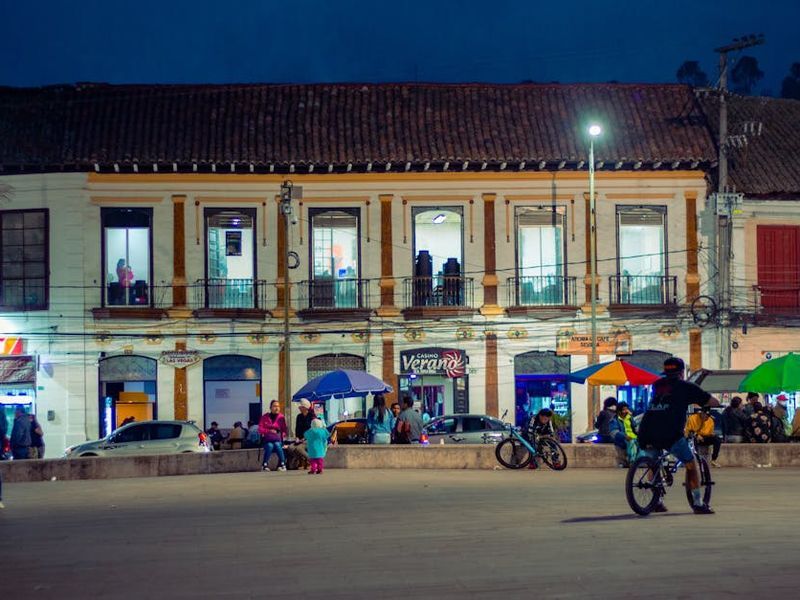
Cuenca’s Centro Histórico is one of Ecuador’s most atmospheric urban cores: cobbled streets, colonial balconies, soaring cathedrals and a river that slices the city into postcard views. Declared a UNESCO World Heritage site, the Centro is compact and eminently walkable — perfect for a full-day wandering that blends history, art, food and people-watching. This guide gives you a practical self-guided route plus local tips to make the most of your visit.
Before you step out: practical tips
Cuenca sits at roughly 2,500 meters (8,200 feet) above sea level. Expect cool mornings and evenings with bright sun midday. Wear comfortable walking shoes for uneven sidewalks and occasional cobbles, bring a light jacket, sunscreen and a reusable water bottle. Many museums close on Monday, and small shops or artisan stalls may close for siesta in the mid-afternoon. Carry some cash for markets — credit cards are widely accepted in restaurants and larger stores, but not everywhere.
Starting point: Parque Calderón — the heartbeat of Centro
Begin at Parque Calderón, the central plaza named after independence hero Abdón Calderón. This leafy square is the social center where locals meet, street musicians play, and vendors sell snacks and florals. The park is bordered by important buildings and gives you an immediate sense of Cuenca’s colonial layout. Pause here to orient yourself and enjoy the rhythm of the city before your walk.
Must-see: The new cathedral and its blue domes
From the park you’ll see Cuenca’s most famous landmark: the Catedral de la Inmaculada Concepción, often called the “New Cathedral” with its striking blue-and-white tiled domes. The inside is roomy and often hosts services; climbing one of the tower staircases (when open) rewards you with a close-up of the tiles and a sweeping city view. If the tower is closed, the plaza still offers plenty of photo angles to capture the cathedral framed by the Andes.
First leg: Museums and archaeology
Leave Parque Calderón and head a short walk to the Museo del Banco Central and Museo Pumapungo. The Banco Central museum houses an excellent collection of pre-Columbian artifacts — ceramics, gold work and explanatory displays that give context to the Andean cultures that shaped the region. It’s a great primer before you see the Inca traces at Pumapungo.
Museo Pumapungo: Inca stones and living culture
Museo Pumapungo sits on the site of Inca foundations and includes both indoor exhibits and outdoor ruins. The terraced gardens reveal original stonework and agricultural layouts, while the ethnographic wing highlights the living indigenous cultures of Ecuador. Outside the museum entrance you’ll often find small artisan stalls selling woven goods, jewelry and locally-made souvenirs — ideal for picking up a handwoven scarf or a Panama hat made in the region.
Riverside charm: El Barranco and the Tomebamba
From Pumapungo, walk toward the Tomebamba River and the El Barranco neighborhood. This riverside stretch is one of the most picturesque in Cuenca: narrow streets, brightly painted balconies, hanging flower baskets and cafes that spill onto stone paths. The river terraces are especially delightful in late afternoon light. Stop at a café with outdoor seating and enjoy a coffee while watching locals stroll by, or sample a small Ecuadorian snack — empanadas or a cheese and avocado sandwich are common favorites.
Calle Larga and boutique shopping
Reconnect with Calle Larga, a wide pedestrian street lined with boutiques, craft shops and galleries. This is the place to browse for textiles, leather goods, amber and silver jewelry. Many artisan shops are transparent about the materials and where they’re sourced, which is helpful if you’re shopping for quality souvenirs. Chocolate shops and bakeries are also plentiful along this corridor — a good excuse for a mid-afternoon pit stop.
Religious and artisan highlights: Monasteries and cloisters
Cuenca’s Centro hosts several important religious sites beyond the cathedral. The Monastery of Las Conceptas (Museo de las Conceptas) is a former convent turned museum, where you can see a quiet cloister, religious paintings and historical artifacts. The views from monastery courtyards are often unexpectedly serene — a welcome contrast to the buzz of the surrounding streets.
San Francisco and nearby plazas
The Church of San Francisco anchors its own small plaza and market scene. Around these smaller squares you’ll find craft stalls, quick food vendors and an authentic slice of local daily life. If you enjoy religious art, many of these churches display colonial-era paintings and carved altarpieces that reveal the city’s spiritual and artistic history.
Around lunchtime: food to try in the Centro
Cuenca’s food scene is a mix of Ecuadorian classics and contemporary options. For a hearty midday meal try locro de papa (creamy potato soup with cheese and avocado) or hornado (slow-roasted pork) served with hominy and plantains. Seafood lovers can order ceviche or encocado (a coconut-based seafood stew) — remember Cuenca is inland but Ecuador’s coast supplies fresh seafood daily. For lighter options, seek out panaderías (bakeries) with fresh bread, or juice bars offering exotic fruit blends.
Afternoon discoveries: galleries, markets, and hidden courtyards
Spend the afternoon exploring galleries and smaller museums. The Centro has several contemporary art spaces and private collections that open to visitors. One of Cuenca’s pleasures is stumbling into tiny courtyards and artisanal workshops — watch for narrow doorways down alleys that reveal carpentry studios, ceramic kilns and jewelry makers at work. These encounters are great opportunities to talk with artisans about techniques and provenance.
Markets and craft stalls: bargaining and authenticity
When shopping at markets, it’s normal to haggle politely on price, especially at open-air stalls. Ask about the materials and how something was made; learning a bit of the craft’s story often adds value to the purchase and leads to better prices. If you’re after a quality Panama hat, inspect the weave: the finer and denser the stitching, the higher the quality. For textiles, ask if the fabric is handwoven and what fibers were used.
Late afternoon: head to a viewpoint
To cap your walking tour, take a short taxi or a steep walk up to Mirador de Turi. This viewpoint sits above the city and offers sweeping vistas of the cathedral domes framed by the surrounding mountains. Sunset from Turi is particularly beautiful — watch the city lights come alive in the valley below. The area around the mirador has souvenir stalls and small cafés if you want a final cup of Ecuadorian coffee or a simple dinner with a view.
Evening options: dining and nightlife in Centro
Back in the Centro, you’ll find an increasing number of restaurants serving creative Ecuadorian and international cuisines. Try a local menu del día (menu of the day) at a neighborhood restaurant for a budget-friendly meal or splurge at a rooftop restaurant with views over the cathedral domes. Cuenca’s evening scene is relaxed — expect conversations over wine or beer, live acoustic music in some bars, and cafes that stay open late.
Safety and mobility: getting around the Centro
The historic center is one of the safest parts of the city and is very walkable. Standard safety practices apply: keep an eye on your belongings in crowded spots, avoid flashing expensive electronics, and use well-lit streets at night. Short taxi rides within the Centro are inexpensive; use official taxis or app-based services where available. If you prefer guided help, check for walking-tour options — there are reputable local operators offering historical tours, food tours and night walks.
What to pack and other helpful reminders
- Layered clothing: mornings can be cool and afternoons quite warm.
- Sunscreen and sunglasses: the sun is stronger at altitude.
- Comfortable walking shoes: many streets are cobbled or uneven.
- Cash for small purchases and markets; cards for restaurants and shops.
- Reusable bag for shopping — many vendors charge for plastic bags.
- Local SIM card or map offline: helps with navigation and taxi calls.
Sample 4-hour route for a quick visit
If you only have a half-day, use this condensed route to get a concentrated taste of the Centro: start at Parque Calderón (30 minutes) → Cathedral (30–45 minutes, include tower if possible) → walk down Calle Larga for shops and coffee (30–45 minutes) → Museo Pumapungo or Banco Central (45–60 minutes) → stroll the Tomebamba river and El Barranco for sunset (30–45 minutes). This loop keeps walking manageable while seeing the highlights.
How to extend the day: nearby neighborhoods and day trips
If you have more time, wander beyond the Centro to neighborhoods like Yanuncay or San Sebastián for quieter streets and local markets. Consider a short day trip to nearby artisanal towns — famous hat-weaving communities and ceramic villages are within easy reach by organized tour or taxi. For nature lovers, the Cajas National Park offers hiking and highland lakes about an hour away and is a refreshing contrast to the city.
Final thoughts: savor the slow pace
Cuenca’s Centro Histórico isn’t a checklist of must-see points so much as a place to slow down: sip coffee, linger at a balcony café, talk with an artisan, and watch the light change on the cathedral domes. Whether you’re an art lover, foodie, history buff or casual wanderer, the Centro rewards curiosity. Use this guide as a flexible map rather than a rigid script — some of the best moments in Cuenca happen when you take an unexpected turn and follow the sound of a street musician or the scent of fresh baking.
With comfortable shoes, an appetite for discovery, and an open schedule, your walking tour of Cuenca’s Centro Histórico will likely become one of your most memorable days in Ecuador.