
Table of Contents
Why Cuenca’s Historic Center Deserves a Place on Your Map
Nestled high in the southern Andes, Cuenca’s Historic Center earned UNESCO World Heritage status in 1999 for its exceptionally well-preserved colonial-era urban fabric and striking architecture. Unlike many colonial cities that lost their original streets or building styles, Cuenca offers a living museum: narrow cobbled lanes, red-tile roofs, carved wooden balconies and a skyline dominated by the visually arresting blue domes of the Cathedral of the Immaculate Conception.
Essential Sights: The Cathedral, Old Churches and Public Squares
Start at Parque Calderón, the green heart of the historic center where locals gather beneath jacaranda and eucalyptus trees. From here, the cathedral complex is impossible to miss. The New Cathedral (Catedral de la Inmaculada Concepción) features bright blue ceramic domes and twin bell towers that define Cuenca’s skyline; many visitors climb one of the towers for close-up views of the tiles and panoramic photos of the city.
Opposite the cathedral, you’ll find older churches and civic buildings that trace the city’s layered history. Smaller chapels, convents and the ornate façades of colonial mansions illustrate an architectural mix—Baroque ornament, neoclassical symmetry and compact, locally adapted styles. Take your time in the plazas: each one has a story in its stones.
Río Tomebamba and the Riverside Promenades
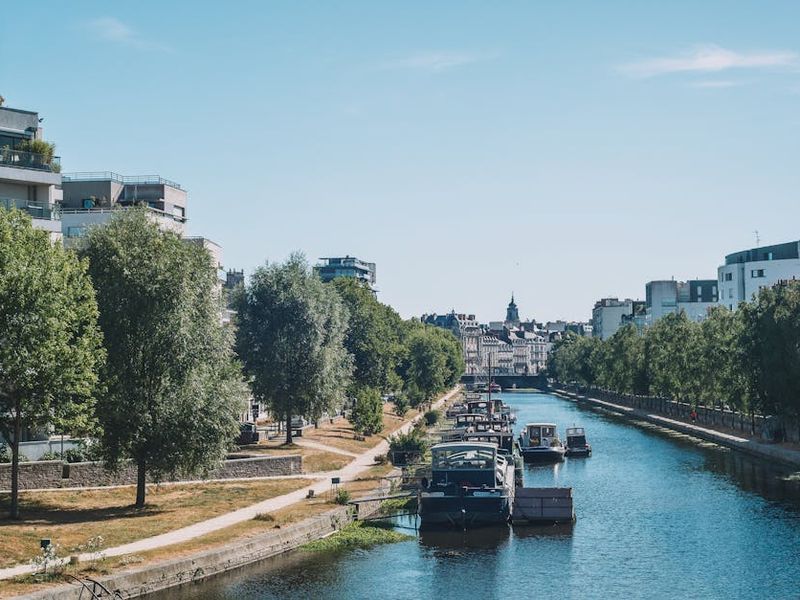
The Río Tomebamba slices through the historic core, creating scenic promenades lined with trees, bridges and the distinctive stonework of riverside mansions. A walk along the river is one of the best ways to see architectural details from varied vantage points—watch how balconies and rooflines reflect in the water at golden hour. Several pedestrian bridges link both riverbanks and make for an easy loop back to the central plazas.
Pumapungo and the Pre-Columbian Layer
Cuenca’s architecture isn’t only Spanish colonial. The Museo Pumapungo, built over Inca terraces and archaeological sites, offers a compelling look at pre-Hispanic foundations beneath the city. Here you can explore restored terraces, indigenous artifacts and interpretive displays that illuminate how the Inca and earlier cultures shaped the landscape on which colonial Cuenca was later built.
Walking Routes: A Practical 3-Hour Loop
For visitors with limited time, a concentrated walking loop will hit the essentials without rushing.
- Begin at Parque Calderón to orient yourself.
- Visit the New Cathedral and, if open, climb a tower for views over the blue domes.
- Stroll down Calle Larga, a cultural corridor of galleries, cafés and restored façades.
- Cross the Río Tomebamba and head to the Pumapungo Museum to see the Inca terraces.
- Walk the riverside back toward the historic center, stopping to photograph balconies and bridges.
- Finish with a coffee near a plaza while watching evening life unfold.
This route is flexible: add nearby museums, artisan markets or a guided tour if you want deeper context.
Architectural Features to Watch For
While wandering, look for signature elements that make Cuenca’s center special:
- Blue-tiled domes and bell towers that punctuate the skyline.
- Carved wooden balconies—often cantilevered—that project over narrow streets.
- Wrought-iron window grilles and elaborate portalways on old mansions.
- Red clay tile roofs and compact courtyard houses reflecting Spanish colonial planning.
- Stone bridges and riverfront retaining walls along the Tomebamba.
Photography Tips: Capture the Best Angles
Cuenca is a photographer’s delight, but elevation, light and crowds affect shots. Aim for early morning or late afternoon to catch soft light on façades and avoid harsh shadows. The cathedral’s blue domes are especially photogenic at sunset when the warm light contrasts with the cool tiles. Use a wide-angle lens for narrow streets and a mid-telephoto for compressing tower details. If you climb a cathedral tower or viewpoint like Turi, bring a polarizing filter to reduce glare and enhance sky color.
Practical Visitor Advice: Timing, Health and Transport
Cuenca sits at about 2,560 meters (8,400 feet) above sea level. Take it easy the first day if you’re coming from lower elevations—drink water, avoid heavy exertion and be mindful of altitude-related fatigue. The city has a mild climate year-round, but the dry season (June–August) typically offers clearer skies for architecture photography.
Fly into Mariscal Lamar Airport (CUE) for quick access, or travel by bus from Quito or Guayaquil for a scenic, budget-friendly option. Once in town, Cuenca’s compact center is best explored on foot. Taxis and buses are inexpensive for longer hops, and many hotels arrange guided walking tours or private guides who can explain architectural details and local history.
Guided Tours vs. Independent Exploration
Both approaches have merit. Free or tip-based walking tours usually cover the major monuments and provide historical context at low cost; they’re a great way to orient yourself. Private guides or architectural tours, sometimes offered by universities or heritage organizations, will dig deeper into stylistic influences, restoration efforts and lesser-known buildings. If you prefer solo exploration, pick up a printed map at the tourist office and download offline maps—street names can be similar, and GPS is helpful in narrow lanes.
Museums, Galleries and Where to Learn More
Beyond Pumapungo, Cuenca hosts several museums where architecture and history intersect. Look for museums housed in restored colonial buildings that preserve original features while showcasing archaeological collections, religious art or local crafts. Galleries along Calle Larga and around plazas display contemporary work in historic settings, making it easy to see how living culture inhabits old buildings.
Respectful Photography and Preservation Etiquette
Cuenca’s historic center is a living neighborhood. Many buildings are private residences, churches are active worship spaces, and conservation rules protect facades and public spaces. Be respectful: avoid loud behavior in plazas, step back from doorways and ask before photographing people. Drones are increasingly regulated in historic centers—check local rules and seek authorization for aerial footage. Small acts of consideration help preserve the district’s character for future visitors.
When to Visit: Seasonality and Special Events
Cuenca’s festivals and religious observances bring architecture to life—processions thread through streets and plazas, and churches fill with music and color. If you’re interested in seeing the city in its festive mode, time your visit around major local holidays and Semana Santa, when churches and plazas are active. Note that during large events some sites may close or restrict access, so plan ahead if you want to visit interiors or climb towers.
Accessibility and Mobility Considerations
Cobblestones, narrow sidewalks and staircases are common features of the historic center. Wheelchair users and travelers with mobility limitations should plan routes carefully and consult hotels or tour operators about accessible options. Some museums and newer public spaces have ramps and elevators, but many original structures retain historic steps and thresholds that are difficult to modify.
Where to Eat and Shop Near the Historic Core
Gastronomy and artisan markets complement architectural sightseeing. Cafés on plaza corners are ideal for people-watching and absorbing the city’s ambiance. For souvenirs, look for locally woven textiles, handmade jewelry and the ubiquitous hat shops—Ecuador is famous for straw hats made from toquilla fiber, and Cuenca carries a range of styles from casual to finely crafted.
Responsible Tourism: Support Conservation Efforts
Heritage designation brings tourism—and the responsibility to help sustain historic neighborhoods. Consider booking locally operated tours, choosing hotels that practice conservation-friendly policies and buying from artisan cooperatives. Small contributions—entrance fees, donations to restoration projects or simply patronizing family-run cafés—help maintain the historic center’s upkeep and cultural vitality.
Beyond the Historic Center: Nearby Architecture and Day Trips
Stretch your itinerary with a short trip to see vernacular architecture and rural craft villages outside the city. The nearby Andean landscape frames the historic center and provides contrast to urban stone and tile. For nature lovers, Cajas National Park is a popular day trip, while artisan towns in the surrounding valleys offer workshops in weaving, pottery and woodworking—excellent places to see traditional building techniques and materials used locally.
Final Tips for an Enriching Architectural Visit
Make time to look up—Cuenca’s best surprises are often in rooflines, cornices and balcony brackets. Talk to locals about the stories behind façades; residents often have family histories tied to buildings that aren’t in guidebooks. Balance the main monuments with quiet side streets where the authentic, everyday life of a UNESCO site continues.
Cuenca’s historic center is not just a collection of preserved facades: it’s a functioning city where history and modern life overlap. By walking slowly, asking questions, and supporting local conservation, you’ll experience both the architecture and the living culture that earned Cuenca a place on the World Heritage list.
Adam Elliot Altholtz serves as the Administrator & Patient Coordinator of the “Smilehealth Ecuador Dental Clinic“, along with his fellow Expats’ beloved ‘Dr. No Pain‘, right here in Cuenca, Ecuador, and for purposes of discussing all your Dental needs and questions, is available virtually 24/7 on all 365 days of the year, including holidays. Adam proudly responds to ALL Expat patients from at least 7:00am to 9:00pm Ecuador time, again every single day of the year (and once more even on holidays), when you write to him by email at info@smilehealthecuador.com and also by inquiry submitted on the Dental Clinic’s fully detailed website of www.smilehealthecuador.com for you to visit any time, by day or night. Plus, you can reach Adam directly by WhatsApp at +593 98 392 9606 -or by his US phone number of 1‐(941)‐227‐0114, and the Dental Clinic’s Ecuador phone number for local Expats residing in Cuenca is 07‐410‐8745. ALWAYS, you will receive your full Dental Service in English (NEVER in Spanish), per you as an Expat either living in or desiring to visit Cuenca by your Dental Vacation, plus also to enjoy all of Ecuador’s wonders that are just waiting for you to come arouse and delight your senses.