
Table of Contents
Why Cuenca’s Historic Center Deserves a Slow Walk
Cuenca, in southern Ecuador, is famous for its well-preserved historic center — a UNESCO World Heritage Site since 1999. The city’s compact grid of plazas, red-tile roofs, ornate balconies and riverside mansions offers one of the best-preserved examples of Spanish colonial urban design blended with Andean influences. This guide helps you move beyond snapshots of the iconic blue domes to understand, enjoy and help preserve Cuenca’s singular architectural legacy.
Quick facts every visitor should know
- Elevation: Around 2,560 meters (8,400 feet) — give yourself time to acclimatize if you’re coming from sea level.
- UNESCO listing: Historic Centre of Cuenca, recognized for its fusion of colonial planning and indigenous craftsmanship.
- Heart of the action: Parque Calderón, the city’s main square, acts as the best orientation point.
- Currency: US dollars. Most places accept cash; many accept cards but carry some cash for small markets and taxis.
- Best walking pace: Slow. Allow time to linger in patios, markets and museums.
Top architectural highlights and what to look for
Cuenca’s historic center is small enough to explore on foot, but rich enough to reward repeat visits. Here are the buildings and features that best illustrate the city’s character — and tips for noticing details many travelers miss.
The twin blue domes
The cathedral with the striking blue domes dominates many postcards and is impossible to miss from Parque Calderón. Beyond the instant photo op, look up at the tilework and study the way light plays on the domes at different times of day. If you can, photograph them at golden hour (early morning or late afternoon) when the blue gains depth and shadows add contrast.
Riverside mansions and the banks of the Tomebamba
The Tomebamba River slices through the historic center and was central to the city’s original Spanish grid. Walk along its banks to see the grand colonial houses with interior courtyards, arched arcades and carved wooden balconies. Many of these façade elements were restored in recent decades; watch for plaques and restoration dates on municipal markers.
Balconies, doors and ironwork
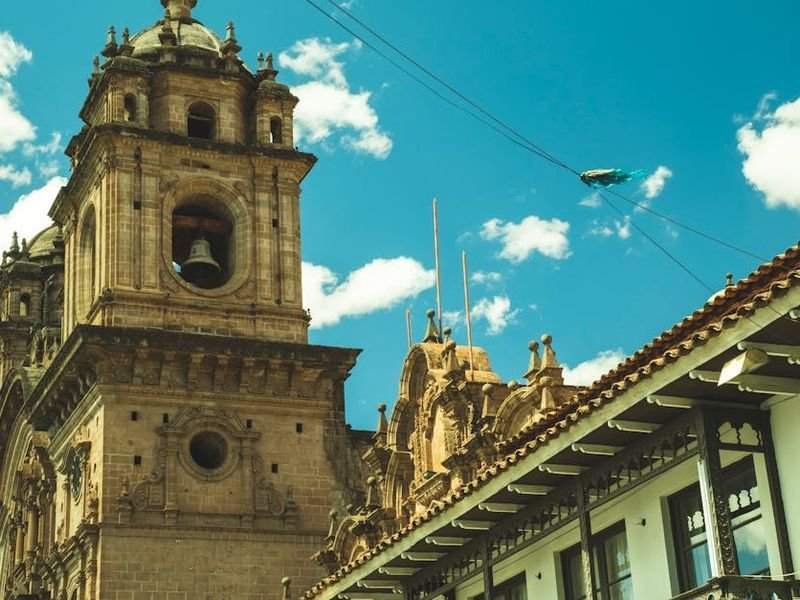
Cuenca’s balconies are a masterclass in wooden craftsmanship—some painted, some left in natural hardwood, often with decorative brackets and turned balusters. Take a close look at doors: carved panels, iron studs and knockers can reveal a building’s age and the family traditions that have kept it standing. These details often reflect an interplay of Spanish and local artisanal techniques.
Must-visit museums and cultural sites
Museums help place the physical architecture into historical context. Spend at least a half-day exploring museums that interpret Cuenca’s urban and social evolution.
Museo Pumapungo
Museo Pumapungo, run by a national cultural institution, combines archaeological collections, ethnographic displays and an outdoor historical park. The site incorporates visible Inca-era stonework alongside colonial structures — a useful reminder that Cuenca’s heritage predates Spanish rule. Allow two hours to wander the exhibits and the adjacent gardens.
Former convents and smaller galleries
Scattered through the historic core are former convents, chapels and manor houses that have been repurposed as galleries and cultural centers. These spaces are often quieter than the cathedral precinct and reveal frescoes, religious art and intimate cloisters. They reward visitors who step inside and spend a little time in the silence.
Suggested walking routes
Here are two practical half-day itineraries tailored to different interests: architecture-focused and relaxed sightseeing.
Architectural Essentials (2–4 hours)
- Start at Parque Calderón to orient yourself and take in the cathedral domes.
- Head east toward the Tomebamba and follow the riverbank south to see restored colonial mansions.
- Cut inland to visit Museo Pumapungo and its Inca ruins.
- Finish at a lookout on El Barranco or a terrace café for views of the river and Victorian-era bridges.
Leisurely Historic Stroll (4–6 hours)
- Begin with a relaxed breakfast on Calle Larga, then take Calle Presidente Borrero toward the old market neighborhoods.
- Browse artisanal shops and stop for a midday snack near a small plaza.
- Visit a smaller convent museum, linger in its courtyard, then walk to a riverside restaurant for lunch.
- Afternoon: climb or take a short taxi ride to Mirador de Turi for panoramic cityscapes at sunset.
Practical tips for photographers and sightseers
Cuenca is supremely photogenic, but a few practical tips make images and experiences better and safer for the fabric of the city.
- Bring a wide-angle lens for interiors and a mid-range zoom for facade detail. Tripods are welcome in public spaces but check with museum staff before using them indoors.
- Golden hour yields the richest light on tiled roofs and domes. For dramatic symmetry shots, work the plaza early in the morning before crowds arrive.
- Respect rule signs inside churches and museums — many frescoes and altarpieces are delicate and preserved under strict conditions.
- Drone use is restricted in urban and historic areas. If you plan aerial shots, check local regulations and obtain permits in advance.
When to visit: weather, crowds and festivals
Cuenca’s climate is mild but has a distinct dry season and wet season. Plan accordingly to maximize comfortable walking days and to experience local life.
- Dry season: The driest months tend to be June through September. Expect clear skies and crisp air — excellent for panoramic views.
- Wet season: Heavier rains typically fall between October and May, often in afternoon showers. Carry a compact rain jacket and quick-dry shoes.
- Festivals: Religious celebrations such as Holy Week bring processions and lively street activity. These are culturally rich times to visit but can be crowded—book accommodation early.
Getting around and practical logistics
The best way to enjoy Cuenca’s historic center is on foot, but here are sensible travel tips for moving comfortably.
Walking and footwear
Wear comfortable shoes with good traction: many streets are cobblestone, and sidewalks can be uneven. Walk slowly to avoid ankle twists and to preserve the pedestrian experience for locals and other visitors.
Taxis, buses and short rides
Local taxis are plentiful and inexpensive for longer hops or for climbing up to viewpoints such as Turi. Ride-hailing apps are available in many Ecuadorian cities; if you prefer a metered taxi, ask the driver to use the meter or agree a fare in advance for short trips. If you take local buses, carry small bills and ask a vendor or your hotel which route serves your destination.
Where to stay
Staying inside the UNESCO core places you within easy walking distance of major sites, but note that early mornings and evenings are quieter on side streets. Choose a centrally located guesthouse or boutique hotel for easy access to the plazas and museums — and to enjoy the historic architecture from the comfort of your balcony.
Respectful tourism and conservation
UNESCO designation brings both pride and responsibility. Visitors who respect local rules and support conservation help keep Cuenca vibrant for future generations.
- Don’t touch or climb on historical structures or decorative elements.
- Avoid sticking stickers or graffiti on walls; fines can apply for vandalism.
- Support local craftsmen by buying from recognized artisan shops rather than street knock-offs.
- Follow guidelines in museums and at archaeological sites — photography may be restricted.
Food, markets and where to pause
Exploring Cuenca’s architecture is thirsty work. Pause in cafés and markets that sit in historic buildings to enjoy local flavors and watch daily life.
- Try hornado (roast pork), empanadas, and local soups at small eateries near plazas.
- Markets near the historic core sell handwoven textiles, ceramics and silverwork. Bring cash and be prepared to negotiate politely.
- Cafés with rooftop terraces offer one of the most enjoyable ways to soak in architectural vistas while savoring Ecuadorian coffee.
Accessibility and family travel
Many parts of the historic center are accessible, but the cobblestones and stairs can be challenging. If you’re traveling with limited mobility, plan ahead:
- Call ahead to hotels and museums to check ramp availability and elevator access.
- Taxi drivers can often drop passengers as close as permitted to main attractions; confirm any mobility needs when booking.
- Children generally enjoy courtyard fountains, small plazas and museum exhibits — bring a lightweight stroller for cobbled streets with good wheels.
How to deepen your visit: tours and local resources
A guided walking tour with a knowledgeable local guide will bring the city’s architecture to life, explaining construction techniques, family histories and restoration efforts. Look for small-group or private guides who focus on architectural heritage, or ask at municipal tourism offices for official walking route maps. Universities and cultural centers often host short talks and exhibitions about conservation efforts — these are great ways to connect with local preservationists.
Final tips to make the most of Cuenca’s historic center
Take your time. Cuenca rewards repeated, unhurried visits — the same street feels different in dawn light, during a midday market, and again under lamp-lit nights. Carry a small notebook or use your phone to jot down architectural features that catch your eye: the name of a donor carved into a lintel, the maker’s mark on ironwork, or a painted emblem above a doorway. These small details create a personal map of the city’s living history.
By walking with curiosity, respecting preservation rules, and supporting local artisans and museums, your visit will help sustain the very qualities that earned Cuenca its UNESCO status. Whether you’re an architecture enthusiast or a casual traveler, the city’s layered streets offer a rich, tangible history that invites discovery at every corner.