
Table of Contents
Why Compare Cuenca to U.S. Cities?
Cuenca, Ecuador has become one of the most talked-about retirement alternatives for Americans looking to lower living expenses without sacrificing quality of life. To decide if a move makes sense, retirees need more than headlines — they need a clear, realistic comparison of what daily life costs in Cuenca vs. life in small, mid-size and high-cost U.S. cities.
Overview: What Makes Cuenca Different
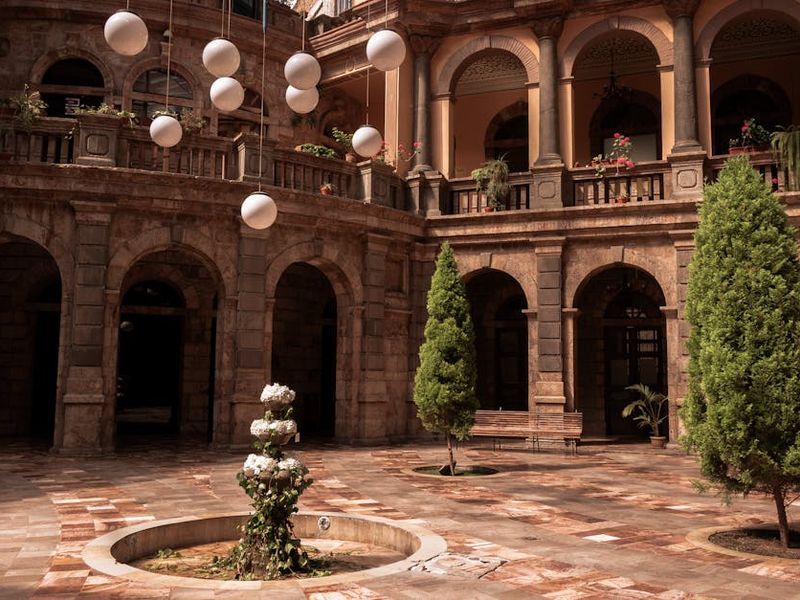
Cuenca’s advantages center on low housing costs, affordable healthcare, and a temperate mountain climate. The city sits at roughly 2,500–2,600 meters elevation, giving it cool, stable weather year-round. Ecuador uses the U.S. dollar, which simplifies banking and removes exchange-rate risk that retirees often worry about. Cuenca also offers a lively cultural scene, a sizable expat community, and walkable historic neighborhoods.
Dollar Currency
Because Ecuador uses USD, everyday pricing is straightforward for American retirees. That makes budgeting easier than in countries with different currencies, where exchange-rate swings can erode buying power.
Housing: The Biggest Monthly Difference
Housing normally drives most retirees’ budgets — and this is where Cuenca shines compared to many U.S. cities.
Typical Rent Ranges
- Cuenca: One-bedroom apartments in the historic center or popular expat neighborhoods often rent between $350 and $700/month. Larger or newly renovated two-bedroom units commonly fall in the $500–$1,200 range.
- Mid-size U.S. city (e.g., Phoenix, Tampa): One-bedroom rents often run $1,100–$1,800/month, depending on neighborhood.
- High-cost U.S. city (e.g., San Diego, Seattle): Expect $2,000–$3,500+ for a one-bedroom in many desirable locations.
Buying property in Cuenca is also substantially cheaper in many areas than buying in U.S. cities, though foreign buyers should research local laws and fees.
Healthcare: Quality Care at Lower Cost
Healthcare quality in Cuenca is generally very good. The city has modern private clinics, English-speaking doctors among specialists, and public hospitals that serve residents. Routine private consultations and diagnostic tests tend to cost a fraction of U.S. prices.
Costs and Insurance
- Private specialist visit: often $25–$70 per visit.
- Private dental work and elective procedures: substantially cheaper than the U.S.; implants, crowns and root canals may cost a fraction of U.S. prices.
- Health insurance: retirees can choose international plans, Ecuadorian private plans, or pay out-of-pocket. Compare coverage for hospitalization, prescription drugs, and repatriation if desired.
Many retirees combine local private care for day-to-day needs with international coverage for major events. If you’re on Medicare, note that it does not provide coverage outside the U.S., so plan accordingly.
Food, Groceries and Dining Out
Groceries in Cuenca are affordable, particularly if you buy fresh produce at local mercados. Modern supermarkets like Supermaxi and Tía carry familiar branded goods but at different price points. Dining out is significantly cheaper than in most U.S. cities; a mid-range dinner for two may cost $20–$45 in Cuenca.
Markets and Eating Local
Shopping at central markets for fruits, vegetables, and local meats not only reduces costs but also offers a taste of local culture. If you rely heavily on imported specialty items, your grocery costs will climb, but even then many retirees find their overall food bills are lower than in the U.S.
Utilities, Internet and Transportation
Utilities and transport costs in Cuenca tend to be lower than in many U.S. cities, but details matter depending on lifestyle.
Typical Monthly Utilities
- Electricity, water, garbage, basic heating/lighting: $35–$80/month for modest apartments (cost rises with AC use if you install it).
- Internet (fast home broadband): $25–$45/month.
- Mobile phone plans: inexpensive prepaid or postpaid options from major providers.
- Local bus fares: inexpensive; many rides are just a few dozen cents. Taxi rides are also affordable compared with U.S. city fares.
Car ownership adds costs — insurance, fuel, maintenance — but petrol is often cheaper than in most U.S. cities. Many retirees opt for local taxis or ride apps rather than owning a car in the historic center.
Entertainment, Culture and Lifestyle
Cuenca’s compact center means museums, theaters, parks and restaurants are easy to reach. Cultural activities like concerts, festivals and art exhibits are plentiful and affordable. Membership in social clubs, dance classes, Spanish lessons, or guided trips to nearby Andean and Amazon areas are all accessible at lower costs than in many U.S. cities.
Sample Monthly Budgets: Side-by-Side
Below are three model budgets to help visualize the difference. These are illustrative ranges — your mileage will vary depending on housing choices, health needs, and lifestyle.
Budget Retiree (Cuenca)
- Rent (1-bedroom): $450
- Utilities & internet: $70
- Groceries & dining: $300
- Local transport: $30
- Healthcare out-of-pocket/insurance: $150
- Entertainment/misc: $150
- Estimated monthly total: $1,150–$1,200
Comfortable Retiree (Cuenca)
- Rent (2-bedroom or renovated apartment): $850
- Utilities & internet: $100
- Groceries & dining out: $450
- Local transport & occasional taxi: $60
- Healthcare/insurance: $250
- Entertainment, travel, contingencies: $300
- Estimated monthly total: $2,010–$2,200
Comparable U.S. City Budgets
For comparison, a single retiree in a mid-size U.S. city might commonly spend $2,800–$4,000/month for similar comfort — and in high-cost U.S. cities this can be $4,500–$8,000/month or more, largely driven by housing and healthcare.
Residency, Visas and Legal Costs
Ecuador offers retirement-friendly visas — commonly called the pensionado visa — that require proof of a lifetime pension or guaranteed retirement income. The required income threshold has changed over time, so it’s essential to check current rules at the Ecuadorian consulate or use a licensed immigration attorney in Ecuador.
Upfront and Ongoing Costs
When planning a move, account for initial expenses such as document translation, apostilles, notarizations, background checks, and professional assistance to prepare residency paperwork. You’ll also budget for shipping or buying furniture and setting up local bank accounts. These one-time costs can add several hundred to a few thousand dollars depending on services used.
Taxes, Banking and Money Transfers
Tax rules for residents can be complicated. Ecuador taxes residents on worldwide income but has exemptions and thresholds that may apply to pension income. Always consult a tax professional experienced with U.S.-Ecuador situations to understand how moving affects U.S. tax obligations and Ecuadorian taxes.
Banking Tips
- Because Ecuador uses the U.S. dollar, foreign currency exchange is not an issue, but transferring funds from U.S. banks may incur fees. Consider using transfer services like Wise, Remitly, or bank services to minimize costs.
- Many retirees keep U.S. accounts and credit cards for convenience. Opening a local Ecuadorian account is also useful for paying bills and receiving local payments.
Safety, Healthcare Access and Quality of Life
Cuenca is generally considered safe relative to many large cities. Petty theft can occur; common-sense precautions help reduce risk. For healthcare access, proximity to good clinics and the availability of English-speaking staff in many private facilities make navigating care easier for non-Spanish speakers.
Quality of Life Factors
Consider the intangible benefits: a slower pace, vibrant local markets, festivals, nearby mountain and river scenery, and easy travel to other parts of Ecuador. Cuenca’s walkable center and active expat community ease social integration for newcomers.
Practical Tips for Americans Considering the Move
- Visit for an extended stay first. Spend several weeks to months in different neighborhoods to learn what suits you — El Centro has charm and convenience, while quieter barrios offer more green space.
- Learn Spanish or take lessons. Even a modest command of Spanish makes daily life easier and reduces costs over time.
- Connect with local expat groups and community centers to learn insider tips on services, doctors and reliable tradespeople.
- Test local healthcare providers before you need them. Establish who you’d see for routine care and for emergencies.
- Plan for paperwork. Residency requires official documents from the U.S. (birth certificate, marriage certificate, police background check) often needing apostilles and translations.
- Set aside an emergency fund. Even with lower living costs, unexpected medical care or travel can require quick funds.
Is Cuenca Right For Your Retirement Budget?
For many American retirees, Cuenca offers a genuine opportunity to lower monthly expenses while enjoying a high quality of life. If your primary goals are to reduce housing and healthcare costs, enjoy a mild climate, and immerse in a culturally rich city, Cuenca can be an attractive option.
However, if you need immediate access to specialized medical centers that only major U.S. metros provide, or if you value staying close to family and U.S.-based services, those factors may weigh in favor of staying stateside. Many retirees find a hybrid approach works well: splitting time between the U.S. and Cuenca, or establishing Cuenca as a base while maintaining ties to U.S. healthcare networks.
Final Thought: Plan, Visit, and Compare
Numbers tell a compelling story: housing, food, transportation and many services are often far cheaper in Cuenca than in typical U.S. cities. But the practical choice depends on how you live, the healthcare you need, and the lifestyle you want. Start with a detailed budget, visit for an extended stay, and compare the reality of daily life in Cuenca against your current expenses in the U.S. With planning and research, many retirees discover their dollars go further — and life becomes richer — in Cuenca.