
Table of Contents
Why Cuenca is a Smart Choice for Social Security Retirees
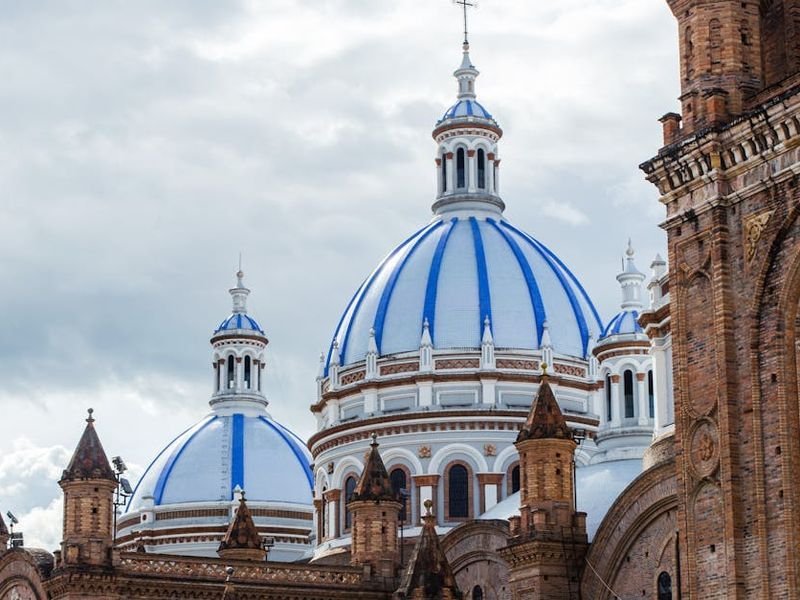
Cuenca, Ecuador combines a mild climate, colonial charm, and an established expat community that makes it one of the most popular retirement destinations in Latin America. Perched in the southern Andes at about 2,500 meters, the city offers spring-like weather year-round, walkable neighborhoods, rich cultural life, and modern services at a fraction of US prices. For Americans relying on Social Security, Cuenca can stretch retirement income without sacrificing quality of life.
First Steps: Research, Visit, and Make a Realistic Budget
Before making any permanent move, take extended exploratory trips. Spend several weeks staying in different neighborhoods to get a feel for daily life, groceries, noise levels, transport, and safety. Try living like a local: shop at mercados, take taxis, visit healthcare providers, and meet other expats.
Create a realistic budget that includes rent, utilities, food, health care, insurance, transportation, entertainment, travel back to the US, and a contingency fund. Example monthly budgets for one person, approximate:
- Frugal: 900 – 1,400 USD
- Comfortable: 1,500 – 2,500 USD
- More upscale: 2,800+ USD
These ranges depend on housing choice, private insurance, dining habits, and whether you travel frequently. Social Security benefits vary widely — knowing your fixed monthly amount helps you choose an appropriate lifestyle.
Visas and Residency: Pensionado Basics
The most common path for retirees is the pensionado visa, intended for people who receive a lifetime pension such as US Social Security. Requirements and processes can change, so contact the Ecuadorian consulate and an immigration attorney for the latest rules. In general, expect to provide:
- Proof of stable, recurring retirement income (examples: Social Security statements)
- Background checks from the US, properly authenticated or apostilled and translated
- Passport photos and a valid passport
After approval you can obtain a cédula, Ecuadorian ID, which unlocks local services: bank accounts, phone plans, and easier access to utilities. Many expats transition from temporary residency to a more permanent status over a few years.
How to Receive Social Security in Ecuador
Most retirees keep a US bank account where Social Security is deposited, then transfer funds to Ecuador. Options include international wire transfers, online services like Wise or Remitly, and debit card ATM withdrawals. Two banking approaches are popular:
- Keep a US account and move funds as needed. This simplifies SSA deposit and US bill payments. Choose a US bank with low foreign transaction fees and strong online tools.
- Open a local Ecuadorian bank account after you have your cédula. Many local banks accept incoming transfers and can receive international wires, but watch fees and exchange rates.
Some US banks and brokerages offer accounts that reimburse international ATM fees and provide competitive currency exchange; research these options before you move. Always notify the SSA of your new address abroad and verify how your benefits will be affected, if at all.
Taxes and Financial Planning
Being a US citizen means you must still file US federal income taxes annually, even while living abroad. You may also become a tax resident of Ecuador, which could subject you to local taxes on worldwide income. There is no comprehensive US-Ecuador tax treaty, and rules can change, so engage a cross-border tax professional to:
- Determine whether your Social Security is taxable by the US and/or Ecuador
- Discuss foreign earned income exclusions, foreign tax credits, and reporting requirements like FBAR
- Plan how to structure your investments, pensions, and withdrawals to minimize double taxation
Healthcare: Mixing Private and Public Options
Cuenca has both public healthcare facilities and private clinics. Many expats use private clinics for routine care and specialists due to shorter wait times and English-speaking practitioners in some clinics. Ecuador also runs a social security system (IESS) that covers contributors and some retirees who register and make voluntary payments, but this process is individualized and requires guidance.
Important considerations:
- Medicare generally does not cover care outside the US, so don’t rely on it for Ecuador-based healthcare. Consider international health insurance or a local private policy.
- Private clinic costs in Cuenca are typically much lower than in the US, making private insurance affordable for many.
- Have a plan for major procedures and emergencies; air evacuation insurance can be lifesaving if you prefer being treated in the US for complex care.
Where to Live in Cuenca: Neighborhoods and Housing Tips
Cuenca offers diverse neighborhoods, from the historical center with cobblestone streets to modern suburbs. Popular areas among retirees include:
- El Centro and Parque Calderón: Walkable, close to shops, markets, and cultural venues.
- Yanuncay and Totoracocha: Residential areas with easy access to services and quieter streets.
- San Sebastián and Rumipamba: A mix of local life and modern apartments, good for longer-term stays.
Rent before you buy. Monthly rents vary widely: small apartments can be found for a few hundred dollars, while modern condos cost more. When buying property, use a trusted local attorney, verify titles, and understand local closing costs and taxes.
Daily Life: Groceries, Transport, and Amenities
Shopping at local mercados is a great way to save money and enjoy fresh produce. Supermarkets and Western-style stores also exist for imported goods. Expect lower food, utility, and domestic help costs compared to the US.
Cuenca’s public transit and taxis are inexpensive. Many expats rely on taxis and walking; others purchase compact cars. Traffic is lighter than major US cities but familiarize yourself with local driving norms. Getting a local driving license becomes easier after obtaining a cédula.
Safety, Language, and Community Integration
Cuenca is generally considered safe relative to many large cities, though petty theft occurs. Practice common-sense precautions: avoid poorly lit areas at night, keep valuables secured, and be aware of pickpocketing in busy spots. Building relationships with neighbors and local shopkeepers adds safety and community.
Learning Spanish dramatically improves daily life. Enroll in language classes, join conversation groups, and use apps. Participate in community activities: volunteering, art classes, cooking lessons, or dance classes are excellent ways to meet locals and other expats.
Practical Checklist Before You Leave the US
- Obtain records: birth certificate, marriage license, police background check; have them apostilled and translated if required
- Arrange medical and dental checkups and refill prescriptions
- Set up US banking for Social Security direct deposit; consider a US-friendly travel bank for easier withdrawals
- Consult a tax advisor about US filing and potential Ecuadorian tax obligations
- Secure international health insurance or set aside funds for private care
- Plan pet relocation early and confirm vaccination and import requirements
Long-Term Considerations and Quality of Life
Think beyond the first year. How will you handle aging in place? Are family members able to visit easily? Research long-term care options, availability of in-home help, and proximity to hospitals. Many expats form golden-age support networks to coordinate recommendations, caregivers, and emergency plans.
Cuenca’s cultural calendar keeps life interesting: theater productions, artisan markets, churches, museums, and festivals provide ongoing engagement. The city is famous for hat makers and artisans, and you will find opportunities to take classes or buy locally made goods.
Tips from Expats Who Made the Move
- Start with a short-term rental for 1-6 months so you can be flexible about neighborhood choice.
- Network with expat groups on social media and local cafes; veterans often share advice on doctors, dentists, and reliable services.
- Keep critical documents digitized and stored securely in the cloud and carry certified copies when needed.
- Don’t rush into buying property. Use local professionals for inspections and title checks.
- Bring a US doctor summary of chronic conditions and prescriptions in Spanish to ease initial medical visits.
Final Thoughts: Is Cuenca the Right Choice for You?
Retiring in Cuenca on Social Security is a realistic and rewarding option for many Americans, but success depends on planning. Thorough research, an exploratory visit, careful budgeting, and professional advice on immigration and taxes will save headaches later. Cuenca rewards those who invest time in learning the language and culture with a high quality of life, lower costs, and a warm community.
If your Social Security check won’t cover the lifestyle you envision, consider hybrid strategies: part-time remote work, downsizing, or selecting an affordable neighborhood. With the right preparations, Cuenca can be a place to enjoy vibrant city life, peaceful neighborhoods, and a full retirement on a modest budget.