
Table of Contents
Why Cuenca Is a Smart Choice for Social Security Retirees
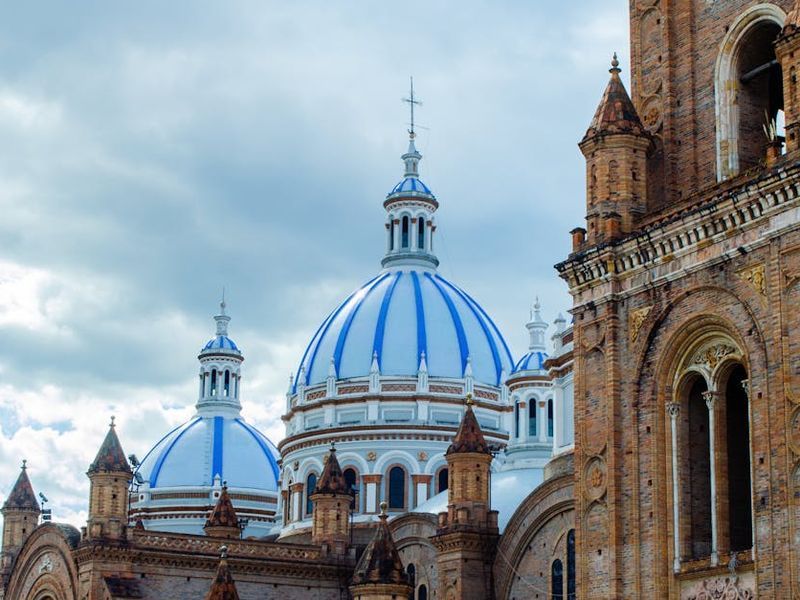
Cuenca, Ecuador’s third-largest city, blends colonial charm, a mild mountain climate, and a thriving expat scene — all at prices that make Social Security income go further. Perched at about 2,560 meters (8,400 feet), the city offers walkable neighborhoods, modern amenities, and reliable services while maintaining a relaxed, small-city vibe. This combination attracts retirees who want quality of life without the higher costs of the U.S.
Understanding the Pensionado (Retiree) Visa: Basics and Practical Steps
Most Americans who intend to live long-term in Ecuador use the Pensionado visa, designed for foreign nationals with a lifetime pension or Social Security income. Requirements can change, so start by checking the latest rules at an Ecuadorian consulate or the Ministry of Foreign Affairs. Typical documentation includes proof of monthly pension income, formal ID and civil documents (birth certificate, marriage certificate if applicable), and background checks. Some documents may require an apostille and Spanish translation.
Practical approach:
- Begin with a 30–90 day scouting visit on a tourist visa to research neighborhoods and services.
- Collect official statements of your Social Security or pension income — printed, signed, and dated.
- Obtain police clearances and apostilles in the U.S. if required, and translate key documents into Spanish.
- Apply in Ecuador or through an Ecuadorian consulate; processing times can vary from weeks to months.
How Much Income Do You Need? Realistic Numbers and Budget Examples
Exact visa minimums can change, so treat numbers as a planning guide and verify current minimums before applying. In Cuenca, many retirees get by comfortably on Social Security alone, but your lifestyle dictates your budget. Here are sample monthly budgets to illustrate possibilities:
- Basic but comfortable: $1,200–$1,600 — modest 1–2 bedroom rental, local markets, public transportation, occasional dining out.
- Middle-range comfort: $1,800–$2,500 — nicer apartment in central neighborhoods, private health care visits, dining out regularly, modest travel.
- Upscale: $3,000+ — large apartment or house, domestic help, private insurance, frequent travel and entertainment.
Because Ecuador uses the U.S. dollar, budgeting is straightforward: you’ll be able to compare prices directly and see how your Social Security check will cover rent, food, health care, utilities, and leisure.
Housing in Cuenca: Neighborhoods, Rentals, and Buying
Cuenca’s housing options range from historic downtown apartments to modern condos and quieter suburban homes. Popular neighborhoods among expats include:
- El Centro / Parque Calderón: Heart of the colonial city with cobblestone streets, churches, cafes and cultural life — excellent walkability but can be noisy.
- San Sebastián: Local character and a lively market scene; a bit more traditional Ecuadorian atmosphere.
- Yanuncay and Ordoñez Lasso: Residential, calmer, with newer apartment buildings and easy transit to downtown.
- El Vecino / El Vergel: Popular with expats for quieter streets yet still close to services.
Rental costs vary by location and finish. Expect to find modest furnished one-bedroom apartments and small houses suitable for retirees; many expats prefer furnished rentals for the first year while exploring neighborhoods. If you plan to buy property, Cuenca has a stable real estate market and several modern developments; hiring a local attorney and a bilingual realtor is advisable to navigate contracts and property taxes.
Healthcare: Quality, Costs, and How to Access Care
Cuenca offers a mix of public and private healthcare. The main public hospital serves residents and can be economical, while private clinics and medical specialists provide modern care, often at lower prices than comparable U.S. care. Many English-speaking doctors and dentists practice in the city, particularly in private clinics frequented by expats.
Important points to plan for:
- Medicare does not cover healthcare outside the United States. Consider international or Ecuadorian private health insurance that covers major procedures and outpatient care.
- Out-of-pocket costs for routine care (consultations, routine tests, some medications) are often significantly lower than in the U.S.; specialist visits vary but still tend to be affordable.
- If you rely on regular medications, bring a supply for the first months and source prescriptions from local pharmacies (many common drugs are much cheaper).
Banking, Social Security Payments, and Managing Money
Because Ecuador uses the U.S. dollar, many expats find financial management simpler than in countries with foreign currencies. Still, plan ahead:
- Direct deposit from Social Security to a U.S. bank remains convenient; then use international transfers, debit cards, or services like Wise to move funds to Ecuador if needed. Some retirees open Ecuadorian bank accounts after obtaining their cedula (Ecuadorian ID) for easier local payments.
- ATMs are common in Cuenca, but daily withdrawal limits and fees vary. Having a backup card and maintaining an emergency U.S. account is wise.
- Credit cards are broadly accepted in restaurants, hotels, and larger stores, though small vendors and markets are cash-only.
Daily Life: Food, Transport, Social Life, and Language
Cuenca’s day-to-day costs are a major perk. Fresh markets and neighborhood grocery stores provide excellent produce at low prices. A typical “almuerzo” (set lunch) at a local restaurant can cost just a few dollars. Public buses are cheap and frequent; taxis and ride-hailing apps are affordable for short trips.
Culture and community matters: Cuenca has a sizeable, active expat community with clubs, language exchanges, and volunteer opportunities. Learning Spanish will significantly improve your experience — enroll in local classes or hire a tutor. Many municipal cultural events, museums, parks, and walking tours make it easy to stay active and engaged.
Safety, Practicalities, and Health Considerations at Altitude
Cuenca is generally considered safe compared to many North American cities, but common-sense precautions against petty theft apply — especially in crowded markets and tourist areas. Keep valuables secure and be cautious late at night in poorly lit areas.
The city’s elevation means cooler nights and thinner air. Most newcomers acclimate quickly, but if you have chronic respiratory or heart conditions consult your physician before moving. Dressing in layers, using a humidifier for dry indoor air, and staying active help with acclimation.
Legal and Tax Considerations for Americans
U.S. citizens must continue to file U.S. taxes and report worldwide income even when living abroad. Social Security benefits and U.S. retirement accounts may have specific tax implications — work with a tax professional who understands expatriate taxes. Ecuador may also have tax rules affecting residents, and there is no broad automatic tax treaty mitigation with the U.S., so professional counsel is essential.
Practical Moving Tips: What to Ship, What to Buy Locally
Many retirees downsize before moving. Essentials to bring include important documents, prescription medicines, a set of favorite clothing for different seasons, and sentimental items. Furniture can be expensive to ship, and Cuenca’s real estate market offers furnished apartments and local furniture stores.
Other practicalities:
- Pets: Ecuador has specific import rules — vaccinations, microchips, and documentation are usually required. Start the process early.
- Driving: You can use a U.S. driver’s license initially; after establishing residency, apply for an Ecuadorian license if you plan to drive long-term.
- Phones and internet: Mobile coverage is good in the city; SIM cards are inexpensive. High-speed internet is widely available in central neighborhoods.
Step-by-Step Checklist for a Smooth Transition
Here’s a simple roadmap to help you move from planning to settling in Cuenca:
- Visit Cuenca for at least two weeks to explore neighborhoods, healthcare options, and lifestyle fit.
- Gather required documents for the Pensionado visa (income proofs, background checks, civil documents), authenticate and translate as needed.
- Arrange your finances: decide whether to keep U.S. banking, open an Ecuadorian account, and set up transfer mechanisms.
- Finalize housing: start with a short-term furnished rental while searching for a long-term rental or property purchase.
- Secure health coverage appropriate to your needs; plan for Medicare limitations and look into private/expat policies.
- Apply for residency; once approved, obtain your cedula and set up local services (phone, utilities, banking).
- Enroll in a Spanish class, join local expat groups, and explore volunteering or hobby groups to integrate socially.
Final Thoughts: Balancing Caution with Adventure
Retiring in Cuenca on Social Security is a realistic option for many Americans who are willing to adapt to a different culture, climate, and administrative system. The dollar currency, affordable healthcare options, vibrant cultural scene, and friendly neighborhoods make Cuenca an attractive place to make your retirement savings stretch further without sacrificing quality of life. With careful planning — especially around visas, healthcare, and finances — your transition can be both practical and deeply rewarding.
Before you decide, visit in different seasons, talk to current expats, and get professional advice where needed. With preparation and an open mind, Cuenca can be the setting for a calmer, culturally rich chapter of your life powered by Social Security.
Adam Elliot Altholtz serves as the Administrator & Patient Coordinator of the “Smilehealth Ecuador Dental Clinic“, along with his fellow Expats’ beloved ‘Dr. No Pain‘, right here in Cuenca, Ecuador, and for purposes of discussing all your Dental needs and questions, is available virtually 24/7 on all 365 days of the year, including holidays. Adam proudly responds to ALL Expat patients from at least 7:00am to 9:00pm Ecuador time, again every single day of the year (and once more even on holidays), when you write to him by email at info@smilehealthecuador.com and also by inquiry submitted on the Dental Clinic’s fully detailed website of www.smilehealthecuador.com for you to visit any time, by day or night. Plus, you can reach Adam directly by WhatsApp at +593 98 392 9606 -or by his US phone number of 1‐(941)‐227‐0114, and the Dental Clinic’s Ecuador phone number for local Expats residing in Cuenca is 07‐410‐8745. ALWAYS, you will receive your full Dental Service in English (NEVER in Spanish), per you as an Expat either living in or desiring to visit Cuenca by your Dental Vacation, plus also to enjoy all of Ecuador’s wonders that are just waiting for you to come arouse and delight your senses.