
Table of Contents
Why Cuenca is a smart choice for Social Security retirees
Cuenca, Ecuador—nestled in the southern Andean highlands—has become one of the most popular retirement destinations for Americans. Its pleasant, spring-like climate, dramatic colonial architecture, walkable city center, and strong expat community make it easy to imagine settling in. Most importantly for many retirees, the cost of living in Cuenca can allow Social Security checks to cover comfortable day-to-day life while still leaving room for travel, hobbies, and dining out.
Getting oriented: climate, neighborhoods and lifestyle
Cuenca sits at roughly 2,560 meters (about 8,400 feet) above sea level. That elevation brings mild days and cool nights year-round—bring layers rather than heavy winter coats. The city is divided into distinct neighborhoods, each with its own vibe:
- El Centro (Old Town) – cobblestone streets, Parque Calderón, cathedral views; ideal if you want everything on foot.
- San Sebastián – quieter, artsy, with local markets and bakeries.
- El Vergel and Yanuncay – residential, more modern apartment buildings, favored by families and long-term residents.
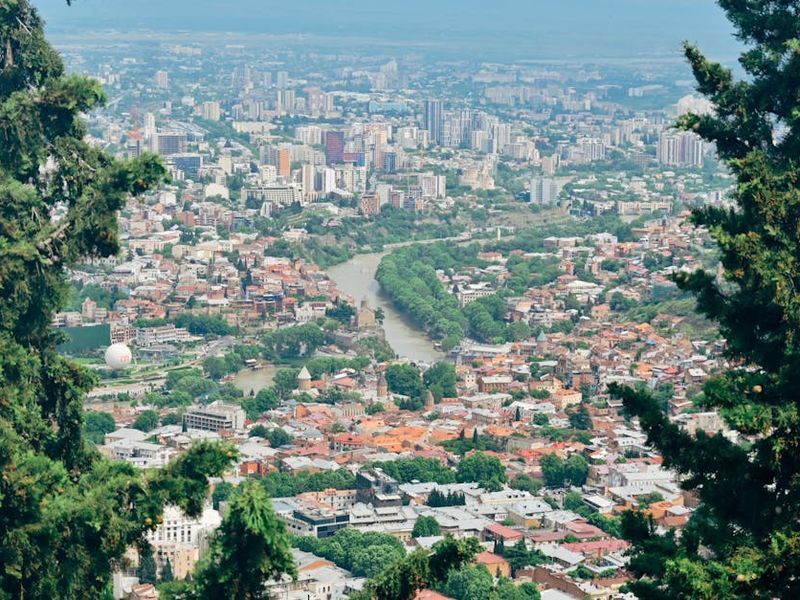
- Turi – up on the hill with sweeping views of the city, good for those who want a more suburban feel.
Daily life in Cuenca is relaxed: you’ll find neighborhood bakeries, open-air markets, little plazas, and a strong café culture. Many retirees say the pace is perfect for walking, socializing, and exploring Ecuador’s varied landscapes on weekends.
Residency options: how Social Security fits the visa picture
If you plan to stay long-term, you’ll want to look into Ecuador’s residency options. The most common route for retirees is the pensionado (retiree) visa, which considers guaranteed lifetime income from pensions or Social Security as qualifying income. Documentation typically includes a proof of pension or benefit amount and other standard paperwork such as a passport copy and police record.
Practical tips:
- Begin by contacting the nearest Ecuadorian consulate or an immigration specialist to get the current list of required documents and any translation/apostille rules.
- Many retirees first spend several months on a tourist visa and then apply for residency from within Ecuador.
- Keep organized files with certified translations and apostilles; having a local immigration attorney or a reputable relocation consultant can save time.
Money matters: receiving Social Security, banking and transferring funds
One big advantage of retiring in Ecuador is that the US dollar is the local currency, eliminating currency exchange risk and simplifying budgeting. That said, how you receive and move your Social Security checks still matters.
Options and considerations:
- Direct deposit to a US bank: Most retirees keep a US bank account and have SSA payments deposited there. From a US account you can transfer funds to Ecuador through international transfer services like Wise, Remitly, or your bank’s wire service. These services typically offer better rates and lower fees than traditional bank wires.
- International direct deposit: The US Social Security Administration allows direct deposits to bank accounts in some foreign countries. Check the SSA’s official list to see whether Ecuador is currently supported and what paperwork is needed.
- Opening a local bank account: After residency, you can open an Ecuadorian bank account. Major local banks accept USD accounts for residents. Expect to present your cedula (resident ID), proof of address, and other ID documents. Local accounts are handy for paying utilities and using ATMs without cross-border fees.
- ATMs and cards: Credit cards are widely accepted in Cuenca, and ATMs dispense USD. Be mindful of ATM fees and inform your US banks of travel plans to avoid holds on your cards.
Budgeting examples: realistic spending on Social Security
Costs vary by lifestyle and housing choice, but here are ballpark monthly budgets to consider. Remember to factor in health insurance, travel, and one-time moving expenses.
- Frugal single: $1,200–$1,700 — basic one-bedroom rental outside the historic center, groceries, local transportation, modest dining out.
- Comfortable single/couple: $1,800–$3,000 — nicer apartment in or near El Centro, regular dining out, private health insurance, activities and small travel.
- Couple with more amenities: $3,000–$4,500 — larger apartment or small home, car or frequent intercity travel, higher-tier private insurance, leisure spending.
These ranges are illustrative; your actual budget could be lower or higher depending on rent, entertainment, imported goods, and health needs. Many expats supplement Social Security with savings, investments, or part-time remote work.
Healthcare: quality, costs and Medicare realities
Cuenca is known for accessible and comparatively affordable healthcare. The city has both public hospitals and private clinics; many physicians are well-trained and several hospitals offer specialties and modern diagnostic equipment.
Important points:
- Medicare does not typically cover care abroad: If you rely solely on Medicare, be aware it generally won’t pay for medical services in Ecuador. Plan for private international health insurance or local private policies.
- Public system and IESS: Ecuador’s public health system and social security plan (IESS) provide services to contributors; eligibility depends on residency and contributions. Some retirees opt to enroll in private insurance and pay out of pocket for care.
- Costs: Routine doctor visits, dental work, and medications are often significantly cheaper than in the US. Many expats use private clinics for faster service and English-speaking staff.
- Pharmacies and prescriptions: Medications are generally affordable and available. It’s wise to bring an initial supply of any specialty medications and transfer prescriptions to a local doctor upon arrival.
Housing: renting, buying and what to expect
Renting is the common first step for newcomers. Short-term monthly rentals let you explore neighborhoods before committing. When ready to buy, Cuenca’s real estate market offers options from renovated colonial flats to modern condos and suburban houses.
Practical notes:
- Leases: Many landlords request a 6- or 12-month lease. Utilities may be included or separate—clarify upfront.
- Working with agents: Use licensed real estate agents and insist on seeing the property in person. Get agreements in writing and, if needed, have contracts translated.
- Purchasing: Foreigners can buy property in Ecuador without major restrictions. Hiring a local attorney for title search and closing is a prudent move.
Daily life essentials: phones, internet, transportation and groceries
Adapting to daily life in Cuenca is easy. Here are some practical tips to get comfortable quickly:
- Phone and internet: Local SIM cards from providers like Claro, Movistar or CNT are affordable. Home internet plans are widely available with decent speeds in the city.
- Getting around: Cuenca is exceptionally walkable in the historic center. Local buses and taxis are inexpensive. Many retirees prefer to rely on taxis and rideshare apps for convenience.
- Shopping: Fresh produce and local foods at markets are inexpensive. Imported goods and specialty items cost more and may be found in larger supermarkets.
Safety, culture and integration
Cuenca is generally safe by Latin American standards, especially in tourist and expat-frequented areas. Petty theft can happen—use common-sense precautions like avoiding flash displays of valuables, using a money belt in crowded places, and securing doors and windows.
Integration tips:
- Learn Spanish: Even basic Spanish goes a long way. Language schools, volunteer opportunities, and conversation groups help you practice.
- Get involved: Join clubs, volunteer organizations, or local classes. Cuenca has active arts, music and volunteer scenes that welcome newcomers.
- Find expat resources: Online forums and local meetups make forming friendships easier and provide practical advice from people who’ve already moved.
Taxes and legalities: what to keep in mind
U.S. citizens must continue filing U.S. taxes even while living abroad and should consult a tax professional familiar with expat rules. Key considerations include:
- Social Security taxation: Social Security benefits may still be taxable in the U.S. depending on combined income and filing status. Work with a U.S. tax advisor to understand how your benefits are treated.
- Foreign Bank Account Reporting: If you hold more than $10,000 in foreign financial accounts at any time during the year, you may need to file an FBAR.
- Ecuadorian taxes: Residency for tax purposes may be determined by time spent in the country (typically around 183 days). A local tax advisor can explain whether your worldwide income is subject to Ecuadorian tax and how to avoid double taxation.
Step-by-step checklist for retiring to Cuenca on Social Security
Here’s a practical timeline to keep you on track from planning to settling in:
- Research & Visit: Spend several weeks or months in Cuenca to test neighborhoods, healthcare, and lifestyle.
- Budget: Create a realistic budget including housing, health insurance, transfers and travel.
- Residency paperwork: Gather documents like a passport, proof of Social Security, and background check; apostille and translate as required.
- Health plan: Arrange private international coverage or local insurance to supplement Medicare limitations.
- Banking: Decide whether to keep a US bank account or open a local account; set up efficient money transfer methods.
- Housing: Rent short-term, then choose long-term housing with local assistance.
- Move & settle: Ship only essentials, bring prescriptions, get a local SIM, and join community groups.
- Ongoing: Keep up with tax filings, renew residency documents as needed, and maintain contact with family and your home country bank.
Final thoughts: making the move work for you
Retiring in Cuenca on Social Security is a realistic and attractive option for many Americans. The city’s comfortable climate, rich culture, affordable services, and friendly expat scene combine to create a high quality of life at a fraction of many U.S. costs. The key to success is planning: confirm how you will receive funds, secure appropriate health coverage, understand residency requirements, and visit first to make sure the city fits your expectations.
With the right preparation—budgeting, paperwork, and a willingness to adapt—you can enjoy a full retirement life in Cuenca: exploring local markets, making new friends, soaking up the architecture, and stretching your Social Security to cover the lifestyle you want.