
Table of Contents
Why Cuenca Appeals to Canadian Retirees
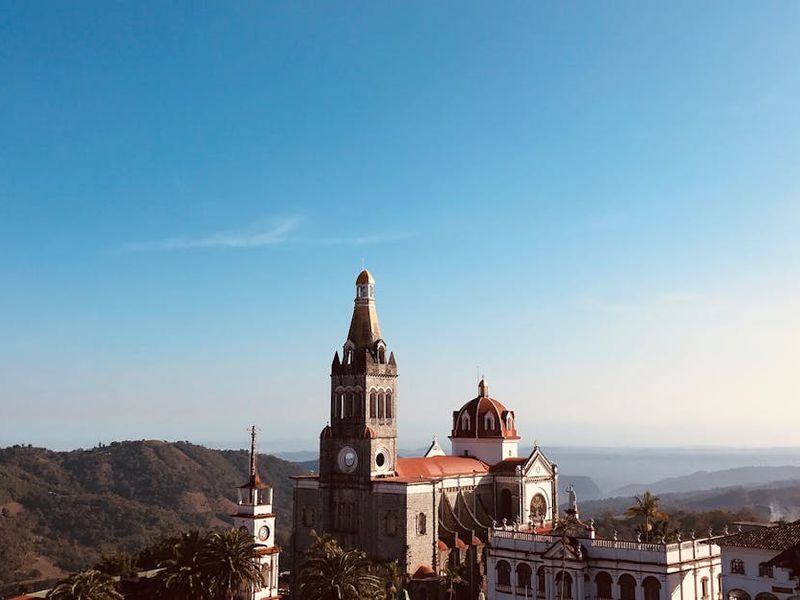
Cuenca’s cobblestone streets, mild mountain climate, and compact city center make it one of the most attractive retirement destinations for North Americans. The historic core is a UNESCO World Heritage site, the pace is relaxed, and Ecuador uses the US dollar—factors that simplify daily life and financial planning for Canadians on fixed incomes. If you want to stretch a Canadian pension without sacrificing quality healthcare, cultural life, or easy travel, Cuenca deserves a close look.
How the Money Works: Currency, Pensions, and Banking
The most important financial reality for Canadians considering Ecuador is currency: Ecuador’s official currency is the US dollar. Your Canada Pension Plan (CPP) and Old Age Security (OAS) payments can be deposited into a Canadian or U.S.-dollar account and then transferred. Many retirees arrange direct deposit to a Canadian account and use international transfers when needed.
Transfer options and fees
- Use low-cost online transfer services (e.g., Wise, Revolut, or your bank’s USD transfer service) to move money in USD into an Ecuadorian bank account.
- Open a local bank account in Cuenca once you have residency paperwork; most banks offer USD accounts and international debit cards.
- Avoid frequent small transfers to minimize fees—set up monthly or quarterly transfers to benefit from lower overall cost.
Budgeting: What a Canadian Dollar Buys in Cuenca
Living costs in Cuenca vary with lifestyle. For a couple aiming for a comfortable life—nice apartment, good healthcare, dining out occasionally, local travel—expect to budget roughly US$1,500–$2,500 per month. Frugal retirees who cook at home and choose modest housing can live on closer to US$1,000–$1,400. Key cost categories include housing, groceries, utilities, transportation, and health care.
Housing specifics
- Rent: One-bedroom apartments in desirable neighborhoods can range from US$350–$700/month; larger or newly renovated units cost more.
- Buying: Property prices vary dramatically by location and condition—there are bargains if you’re willing to renovate, and modern condos near the city center command premium prices.
- Utilities: Monthly utilities (electric, water, gas, internet) are generally affordable—expect US$50–$120 depending on usage and building amenities.
Visas and Residency: How to Get Legal in Ecuador
To retire in Ecuador you’ll generally want to pursue residency rather than tourist visas if you plan to stay long-term. The most common route for retirees is the pensioner residency (often called the pensionado visa). Requirements and thresholds shift periodically, so check with the Ecuadorian consulate and consider legal assistance for a smooth process.
Common requirements and steps
- Proof of stable pension income—typically you must show a documented monthly pension amount. The required minimum can change, so obtain the latest figure from official sources.
- Certified and apostilled documents: birth certificate, marriage certificate (if applicable), criminal record check, passport copies.
- Medical exam and proof of health insurance or funds to cover healthcare costs while you register.
- Apply at an Ecuadorian consulate in Canada to begin, or apply inside Ecuador after entering as a tourist—many retirees complete the process in Cuenca with the help of an immigration attorney.
- Once residency is approved you’ll receive a cedula (national ID) allowing you to open bank accounts, sign leases, and access local services.
Healthcare: Quality, Costs, and Options in Cuenca
Healthcare is one area where many retirees find they can dramatically stretch their pension. Cuenca has a network of private clinics and hospitals, plus IESS (Ecuador’s social security healthcare) facilities that serve residents who are affiliated with the system. Private care is often significantly less expensive than in Canada, and routine procedures or specialist visits are affordable.
Practical tips for healthcare
- Bring an international travel health insurance plan to cover the first months while you sort residency and long-term options.
- Schedule regular checkups and get prescriptions through local pharmacies—common medications are low-cost.
- Consider joining IESS if you become eligible; otherwise, private insurance policies in Ecuador are available for expats.
- Cuenca has English-speaking doctors and expat-friendly clinics—ask in expat groups for recent recommendations.
Where to Live in Cuenca: Neighborhoods and Lifestyles
Cuenca’s compact city center and sprawling neighborhoods each have different vibes. Your choice depends on whether you prioritize walkability, quiet, access to international restaurants, or green space.
Popular areas for retirees
- Historic Center (Centro Histórico): Iconic architecture and proximity to shops, markets, and cultural life—best for those who want to be in the middle of activity.
- Suburban neighborhoods: Quiet, family-oriented areas with larger homes and gardens—better if you want space and a more residential feel.
- Riverside and valleys: Properties along the Tomebamba River offer scenic views, while higher-elevation suburbs provide slightly cooler air and panoramic vistas.
Practical Steps Before You Move
Preparation reduces stress and can save money. Here’s a checklist tailored to Canadian retirees moving to Cuenca:
- Get critical documents apostilled and translated into Spanish where required (birth certificate, marriage certificate, police check).
- Set up direct deposit for CPP/OAS and inform Service Canada of your move—ensure your address and contact details are up to date.
- Purchase international health insurance to cover the transition period and potential emergency repatriation if desired.
- Research shipping vs. buying new: Cuenca has shops selling most household goods, so many retirees sell bulky furniture and purchase locally.
- Schedule a 3–6 month trial stay—rent furnished housing and get a feel for local life before committing to buying property.
Integrating Locally: Language, Community, and Daily Life
Spanish skills are a huge asset in Cuenca. While many service providers and some doctors speak English, everyday life—markets, municipal affairs, neighborly interactions—goes smoother with conversational Spanish. Local language classes, conversation groups, and volunteer opportunities are easy ways to improve quickly.
Finding community
- Join expat groups on social media to ask practical questions, find English-speaking service providers, and discover social events.
- Explore cultural events: Cuenca offers festivals, gallery openings, and music—participating helps you make local friends.
- Volunteer with local charities or cultural organizations to meet Ecuadorians and give back—this deepens your connection and improves language skills.
Safety, Health, and Day-to-Day Practicalities
Cuenca is generally considered safe, but like any city, it has petty crime. Use common-sense precautions: secure your home, avoid poorly lit areas at night, and be cautious with valuables in tourist zones. Emergency services are available and hospitals are reachable quickly from most neighborhoods.
Everyday tips
- Public transportation: Buses are cheap and extensive; taxis are affordable—use reputable companies or apps where available.
- Shopping: Local markets are excellent for fresh produce; supermarkets and specialty shops stock international goods at higher cost.
- Connectivity: High-speed internet is widely available in Cuenca, and many cafes and co-working spots cater to expats and digital nomads.
Taxes and Financial Planning: What to Know
Tax situations are personal and can be complex. As a general rule, Canada taxes based on residency: if you become an Ecuador resident for tax purposes, you should seek professional advice about your Canadian tax obligations and the potential for double taxation. Ecuador taxes residents on worldwide income, so consult an international tax advisor to understand whether your pensions are taxable, and to plan how best to structure transfers and investments.
Smart money moves
- Maintain a Canadian bank account for CPP/OAS direct deposits and use international transfers on a set schedule to reduce conversion costs.
- Investigate tax treaties and file timely reports in both countries if required—getting advice before you move can prevent surprises.
- Consider a power of attorney and local will in Ecuador to simplify property and health decisions.
Getting the Most from Your Pension: Lifestyle Strategies
Stretching a fixed pension is about more than money—it’s about making choices that preserve quality of life. Prioritize spending on what matters: healthcare, a comfortable home, and activities that bring joy. Save on day-to-day costs by embracing local markets, public transport, and shared services. Join community activities in Cuenca for affordable social life and low-cost entertainment.
Examples of savings that don’t sacrifice lifestyle
- Dining: Eat out at local restaurants—traditional comida corridas offer full meals at a fraction of Canadian prices.
- Transport: Use taxis or buses for short trips; buy a bicycle for nearby errands in flat neighborhoods.
- Utilities: Opt for local mobile and internet packages—Ecuador’s plans are usually cheaper than Canadian equivalents.
Final Checklist and Next Steps
Retiring to Cuenca from Canada can be an enriching, financially savvy decision if you plan carefully. Here’s a compact action list to move forward:
- Confirm pension deposit options and set up reliable transfer methods.
- Gather, apostille, and translate necessary documents for the pensionado visa application.
- Book an exploratory trip to Cuenca—rent furnished housing for at least a month to test neighborhoods and daily life.
- Secure international health insurance and research local healthcare providers and doctors.
- Connect with expat communities and financial/tax advisors experienced with Canadian-Ecuadorian situations.
With attention to paperwork, a sensible financial plan, and openness to local culture, many Canadian retirees find that their pensions go further in Cuenca—buying better experiences, better weather, and a calmer pace of life than they expected. Take your time, prepare the paperwork, and try out living in Cuenca before making permanent commitments. Your pension can become the ticket to an affordable, fulfilling retirement in one of Ecuador’s most charming cities.