
Table of Contents
Why Cuenca? A quick look at what makes this city ideal for Canadian retirees
Cuenca, Ecuador, often tops lists for retirees because it combines a pleasant year‑round climate, walkable colonial streets, solid healthcare options, and a lower cost of living than most Canadian cities. Nestled high in the Andes at about 2,500 meters (8,200 ft), Cuenca’s “eternal spring” weather makes daily life comfortable without the extremes of heat or cold. For many Canadians on a fixed pension, those everyday savings translate into more travel, hobbies, and peace of mind.
Understanding residency: the pensionado route and what to expect
The most common legal route for retirees is Ecuador’s pensioner visa (often called the pensionado visa). The basic idea is straightforward: demonstrate a stable lifetime pension income and you can gain residency privileges. Requirements and processing details can change, so confirm the latest rules with the Ecuadorian consulate or a local immigration attorney, but the general steps are:
- Prove monthly pension income from a government or private pension plan.
- Provide identity documents and a clean criminal record check from Canada (often apostilled and translated).
- Submit passport photos, health certificates, and other standard forms.
- Complete in‑country appointment(s) with Ecuador’s migration office to formalize residency.
Tip: Start the process while in Canada so you know which documents need apostilles and certified translations. Many expats hire a local migration agent for a smoother, faster application.
How much money do you really need? Budget examples
One of the most attractive features of Cuenca is how far your money goes, but “how far” depends on lifestyle. Here are three realistic monthly budget scenarios for a single retiree (USD), illustrative rather than definitive:
- Frugal but comfortable: $1,100–$1,400 — rent in a modest apartment, local groceries, public transport, modest eating out, basic healthcare costs.
- Comfortable and social: $1,600–$2,200 — nicer one‑bedroom or small two‑bedroom in a central area, regular dining out, private health insurance, extras like travel and hobbies.
- Upscale: $2,500+ — larger apartment or house, private domestic help, frequent travel, premium healthcare, imported goods.
Typical costs to keep in mind: rent for a one‑bedroom in central Cuenca often ranges from $350–$700/month; utilities tend to be modest ($50–$100); grocery bills vary greatly depending on whether you favor local markets or imported goods. A private doctor visit commonly costs $25–$60, dental work and specialist procedures are significantly cheaper than in Canada.
Where to live: neighborhoods that make retirement easier
Cuenca’s neighborhoods each offer a different vibe. A few to consider:
- El Centro (Historic Center): Lively, walkable, full of colonial architecture, museums, restaurants and expat meetups. Apartments tend to be pricier but you’re steps from Parque Calderón and cultural venues.
- San Sebastián: A mix of local life and quieter streets. Close to the center but often less expensive; good for those who want proximity without the tourist bustle.
- Area riverside (Tomebamba/Yanuncay corridors): Green, scenic walks along the rivers, modern apartment buildings and easy access to markets and cafés.
- Outlying neighborhoods: Suburbs and small towns around Cuenca offer larger properties and more peace; you’ll trade short commutes for more space and sometimes lower prices.
Tip: Rent a month or two before buying. This lets you test different neighborhoods, check noise levels, and see what conveniences are truly important.
Healthcare: quality, costs and how to access services
Cuenca has a range of medical services—from provincial hospitals to private clinics and specialist offices. Many clinics are well equipped and English‑speaking doctors are common in expat circles. Costs are substantially lower than in Canada: routine doctor visits, lab tests, and many surgeries can be a fraction of Canadian prices.
Practical considerations:
- Initial months: keep international travel health insurance for emergency evacuation and coverage until you understand local options.
- Long term: many retirees opt for a combination of private insurance and paying out‑of‑pocket for routine care. Investigate local insurance plans available to residents.
- Pharmacies: widely available and generally well stocked; prescription drugs are cheaper, but brand imports cost more.
Stretching your pension: everyday strategies that add up
Stretching a fixed pension doesn’t always mean sacrificing comfort. Small, consistent choices make a big difference:
- Shop local markets: Fresh produce, eggs, and staples at mercados are far cheaper than supermarkets and are a great way to enjoy local food while cutting costs.
- Eat like a local: Many inexpensive sodas (small family restaurants) offer hearty meals for a fraction of restaurant prices in Canada.
- Choose the right currency tools: Since Ecuador uses the U.S. dollar, choose low‑fee transfer services (Wise, OFX) to convert CAD to USD and schedule transfers when rates are favorable.
- Downsize or rent: Selling a large home in Canada and buying a modest property in Cuenca can free significant capital. Alternatively, rent for the first year to confirm your neighborhood choice.
- Use public transport and taxis: Bus fares are cheap and taxis are affordable for short trips—both are cheaper than owning a car.
Banking, pensions, and tax realities for Canadians abroad
Handling money from abroad requires planning. Key points to consider:
- Receiving Canadian pensions: CPP and most private pensions can be paid to accounts abroad. Check with Service Canada about CPP and OAS rules—these programs continue to pay outside Canada but there are residency considerations and reporting rules.
- Banking in Ecuador: Opening a local bank account as a resident is straightforward and useful for paying rent and utilities in USD. Major banks offer online services, but keeping a Canadian account helps for prearranged transfers.
- Currency timing: Watch CAD‑USD exchange rates and move funds in tranches to average the rate over time rather than converting all at once.
- Taxes: Canadian tax obligations depend on ties to Canada (property, family, intention to return). Even as a non‑resident you’ll want a Canadian tax professional to advise on filings, RRSP/RRIF withdrawals, and potential tax credits.
Logistics of the move: shipping, cars, pets and household items
Practical logistics are often the biggest surprises. A few pointers to make the move less stressful:
- Shipping vs. buying local: Shipping household goods can be costly due to freight and customs. Many expats find it cheaper to ship sentimental items and buy furniture in Ecuador.
- Cars: Import taxes on vehicles can be high. Many expats sell their Canadian car and buy a local used car or rely on public transport and taxis.
- Pets: Bring pets with the proper veterinary paperwork—vaccination records, health certificates, and potential quarantine requirements. Start paperwork months in advance.
- Utilities and internet: High‑speed internet is widely available in Cuenca and reliable in most central neighborhoods. Cell phone plans are inexpensive—purchase a local SIM for voice/data.
Language and community: the social side of retirement
Spanish will be your best tool for fully enjoying Cuenca. Even basic conversational Spanish opens doors to friendships and local services. Ways to learn and integrate:
- Enroll in Spanish classes offered by language schools or the university.
- Join expat groups, walking clubs, or volunteer organizations to meet both locals and other retirees.
- Regularly attend community events—music nights, markets, and festivals—to practice language and build a social circle.
Many Canadians say the social transition is as important as the practical one. Building friendships early can dramatically improve quality of life.
Safety and health considerations in high‑altitude living
At 2,500 meters, Cuenca is high enough that newcomers may experience mild altitude effects—fatigue, shortness of breath, or trouble sleeping. These usually pass in a few days to weeks. Tips:
- Take it easy for the first week: avoid strenuous hikes while your body adjusts.
- Stay hydrated and eat smaller meals until you feel normal energy levels.
- See a doctor if symptoms are severe; Cuenca has reputable medical facilities easily reachable from central neighborhoods.
As for safety, Cuenca is generally considered safer than many larger Latin American cities. Still, petty crime like pickpocketing can occur in tourist areas—use normal precautions: avoid flashy jewelry, secure your home, and use hotel safes for valuables while traveling.
Access to nature and travel opportunities
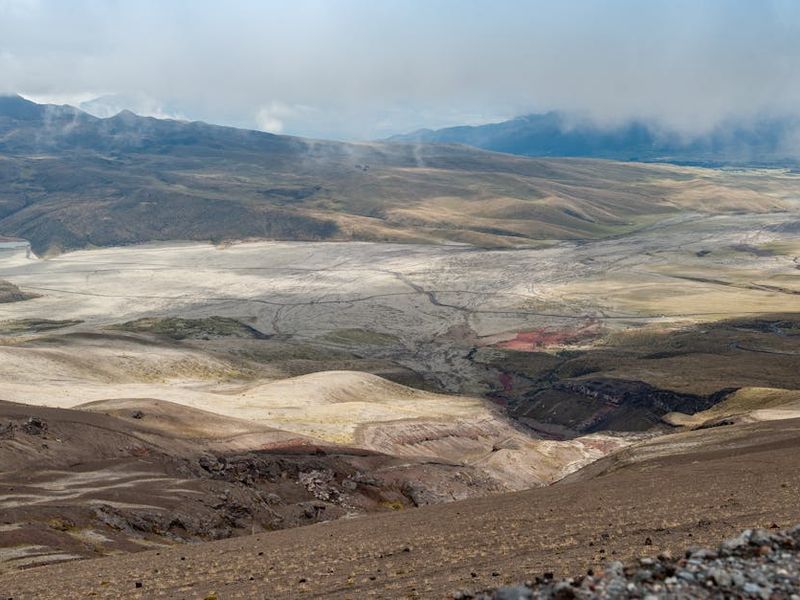
One of Cuenca’s charms is how quickly you can escape into nature. Cajas National Park—with high mountain lakes and trails—is a short drive away and makes for perfect day trips. The Pacific coast, the Amazon basin, and Quito’s historic areas are accessible by domestic flights, and bus services connect you to the rest of Ecuador at very low cost. This makes it easy to plan weekend getaways without breaking the bank.
Long‑term planning: elder care, estate planning and contingency funds
Retirement planning doesn’t stop after you move. Consider these long‑term items:
- Long‑term care: Investigate local options and costs for assisted living or in‑home care. Availability and standards differ, so visit facilities before you need them.
- Estate planning: Update wills, powers of attorney, and medical directives to reflect your new residency. Cross‑border legal issues mean you’ll likely need advice from both Canadian and Ecuadorian professionals.
- Contingency fund: Keep an emergency fund equivalent to at least six months of expenses in an accessible account—ideally split between Canadian and Ecuadorian accounts.
Final checklist for Canadians considering Cuenca
Before you go, consider this short checklist to make the transition smoother:
- Confirm visa requirements and begin document apostilles/translations.
- Arrange initial health insurance and gather medical records.
- Create a realistic budget and plan currency transfers strategically.
- Rent first, then buy; test neighborhoods and the local lifestyle.
- Set up a support network—both local friends and Canadian contacts.
- Consult Canadian tax and legal advisors about your status and obligations.
Why it’s worth exploring
For many Canadians, Cuenca offers a rare combination: striking colonial charm, modern conveniences, and a lower cost of living that makes pensions stretch further. With sensible planning—understanding residency steps, managing currency transfers, choosing the right neighborhood, and taking advantage of local healthcare—you can enjoy comfortable, engaged retirement years. Visit first, stay curious, and plan methodically: many retirees find Cuenca not just affordable, but a place to thrive.
Note: Immigration, tax, and healthcare rules change over time. Use this guide as a practical starting point, and verify specifics with consulates, professional advisors, and current local contacts before making final decisions.