
Table of Contents
Why routine dental check-ups matter—especially for expats in Cuenca
Regular dental visits are about more than clean teeth and fresh breath. They protect your overall health, spot problems before they become expensive or painful, and keep small issues from turning into emergencies that could disrupt travel plans or daily life in Cuenca. For expats, routine care also helps you navigate the local healthcare system, avoid language misunderstandings, and maintain records that matter if you move or return home.
How often should you visit the dentist?
Most dentists recommend a check-up and cleaning every six months for adults with healthy gums and teeth. That twice-yearly schedule balances professional cleaning with early detection of cavities, gum disease and other oral problems. But not everyone fits that standard:
- Every 3–4 months: people with periodontal (gum) disease, heavy tartar buildup, or those undergoing certain treatments.
- Every 4–6 months: smokers, high-sugar diets, or people with a history of frequent cavities.
- Every 6–12 months: generally healthy adults with good oral hygiene.
- Children: often every 4–6 months while their teeth are developing or if cavities are a concern.
When you first arrive in Cuenca, schedule an initial comprehensive exam even if you think your teeth are fine. It establishes a baseline and helps a new dentist build your records.
What to expect during a typical check-up
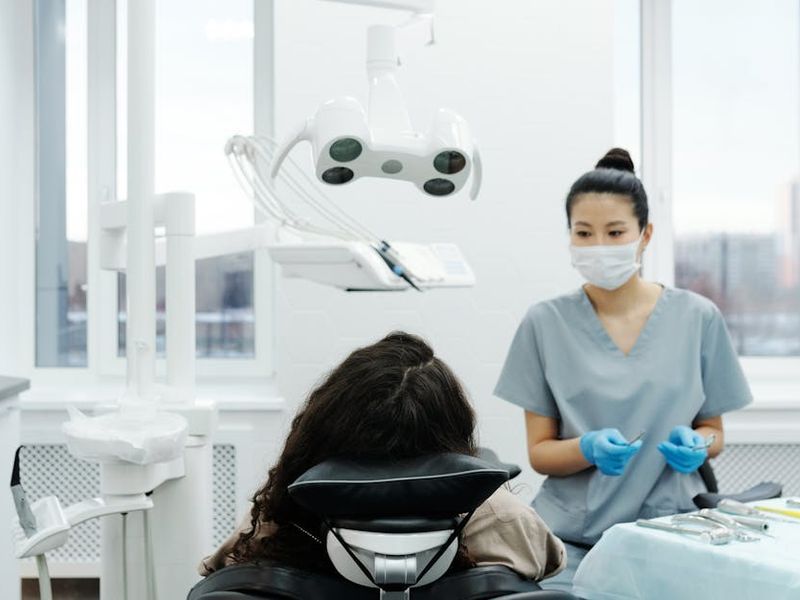
A routine visit in Cuenca usually includes a few key steps. Knowing them ahead of time reduces stress and helps you ask the right questions.
- Medical and dental history review: The dentist or hygienist will ask about medications, chronic conditions (like diabetes), dental pain, and habits such as smoking or chewing sugar cane or panela.
- Examination: Visual check of teeth, gums, soft tissues, and bite. Many clinics also screen for signs of oral cancer and systemic issues affecting oral health.
- X-rays: Bitewing or panoramic x-rays are common for detecting decay between teeth, hidden infections, or bone loss.
- Professional cleaning: Scaling to remove tartar, polishing, and sometimes periodontal charting to measure gum pockets.
- Preventive treatments: Fluoride varnish or sealants for children, and tailored home-care advice.
- Treatment plan: If problems are found, the dentist will explain options, timing, and costs—often in plain language for expats who may not be fluent in Spanish.
The dental care landscape in Cuenca: public, private, and community options
Cuenca has a mix of dental providers: private clinics, university clinics, and some public services. Private clinics are widespread and available in neighborhoods popular with expats like El Centro, El Vergel, and nearby residential areas. They usually offer modern equipment—digital x-rays, sterilization standards, and cosmetic dentistry options.
Public or university-affiliated clinics can be more affordable but may have longer wait times. If you’re enrolled in Ecuador’s social security system (IESS), some dental services are covered for contributors, though coverage and wait times vary by treatment type. Many expats prefer private care for speed, English-speaking staff, and greater appointment flexibility.
How much will dental care cost in Cuenca? (approximate ranges)
Costs in Cuenca are generally lower than in North America and Europe, but prices depend on the clinic, materials, and complexity. Use these approximate ranges to plan—but always request a written estimate before treatment:
- Routine cleaning (prophylaxis): $25–$60
- Routine filling (composite): $30–$90 per tooth
- Root canal (single root): $150–$350; multi-root canals cost more
- Porcelain crown: $200–$600 depending on materials
- Extraction: $20–$150 depending on complexity
- Implants: $800–$2,000 per implant depending on brand and components
Many clinics accept cash and major credit cards; ask whether prices include x-rays, anesthesia, or follow-up visits. Some practices offer payment plans for larger procedures—don’t hesitate to request one.
Practical tips for expats: preparing for your dental visit in Cuenca
Make the most of dental care in a new country by planning ahead. These concrete tips have helped many expats settle quickly:
- Bring copies of prior dental records and x-rays if you have them. Digital files are increasingly accepted—ask your previous dentist for PDFs.
- Learn a few Spanish phrases for dental visits: “Me duele aquí” (it hurts here), “¿Cuánto cuesta?” (How much does it cost?), and “Tengo alergia a la lidocaína” (I’m allergic to lidocaine) can be useful.
- Ask whether staff speak English—many practices in Cuenca do, especially in areas frequented by expats. If not, bring a bilingual friend or use a translation app for key points.
- Confirm sterilization practices and whether the clinic uses disposable items and autoclaves. Most reputable clinics in Cuenca follow strict infection control, but always ask if you feel unsure.
- Plan appointments around the city’s rhythm—mornings are often quieter and may have more experienced staff on duty.
Common dental problems among expats and how to prevent them
Living abroad can change your routine and diet, which affects oral health. Here are prevalent issues and realistic prevention strategies:
- Higher cavity risk: Frequent snacking on local sweets, fruit juices, or panela can increase cavities. Carry a travel toothbrush, floss nightly, and limit sugary snacks between meals.
- Gum inflammation: Stress, changes in routine, and inconsistent flossing can lead to gingivitis. Regular cleanings and daily interdental cleaning reduce risk.
- Sensitivity: Acidic local fruits like limes and citrus, combined with enamel wear, may cause sensitivity. Use desensitizing toothpaste and avoid aggressive brushing.
- Dental erosion from medications or dry mouth: If you’re taking medications that cause dry mouth, stay hydrated, chew sugar-free gum with xylitol, and discuss saliva substitutes with your dentist.
Handling dental emergencies in Cuenca
Even with regular care, accidents happen. Knowing where to go and what to do can preserve a tooth and reduce pain.
- Severe toothache: Call a local dentist immediately—many clinics reserve time for emergencies. Over-the-counter analgesics (ibuprofen, acetaminophen) can help until you are seen.
- Knocked-out tooth: Find the tooth, handle it by the crown (not the root), rinse gently with water if dirty, and try to reinsert it if possible. Otherwise keep it moist in milk, saline, or saliva and see a dentist within an hour.
- Broken tooth: Save fragments and bring them to your appointment. A temporary smoothing of sharp edges can prevent soft-tissue injury.
- Abscess/swelling: This can be serious—seek urgent care as swelling can spread. Antibiotics may be prescribed, followed by definitive dental treatment.
For after-hours care, many private dentists in Cuenca offer emergency phone lines. Identify a couple of clinics in advance so you’re not searching while in pain.
Choosing the right dental clinic in Cuenca: questions to ask
Finding a dentist you trust is vital for long-term care. Here are practical questions to guide your choice:
- Are you licensed with the Colegio de Odontólogos local association and do you have specialty training? (Most reputable dentists will be proud to answer.)
- Do you use digital x-rays and modern sterilization equipment?
- Can you provide a written treatment estimate and explain alternatives in plain language?
- Do you offer guarantees on restorations and provide clear follow-up instructions?
- What are the payment options, and do you accept international insurance or direct billing?
Don’t be shy about asking for before-and-after photos of work, especially for cosmetic procedures. Many clinics will show examples of crowns, implants and full-mouth rehabilitations to help you decide.
Dental insurance, payment strategies and saving money in Cuenca
If you’re a frequent visitor or plan to live in Cuenca long-term, consider your insurance options. Some expats use international health insurance that includes dental care; others rely on private Ecuadorian plans or pay out-of-pocket. A few money-saving ideas:
- Maintain routine cleanings—preventive care is cheaper than restorative treatments.
- Compare quotes for larger procedures from two or three clinics.
- Consider combining dental work with travel plans if you’re visiting from abroad—Cuenca’s lower costs attract medical tourists, but prioritize quality and reputation over price alone.
- Ask about package pricing for multi-step treatments such as implant placements to reduce overall costs.
Building a long-term relationship with your Cuenca dentist
Long-term oral health depends on communication and continuity. Once you find a dentist who respects your preferences and explains options clearly, stick with them. Keep copies of all treatment records, receive a written treatment plan before major work, and schedule follow-ups as recommended. Regular visits will help your dentist learn your medical history, dental tendencies and risk factors—allowing for personalized preventive care.
Final thoughts: small habits, big benefits
Regular dental check-ups are an investment in your comfort, health and quality of life in Cuenca. With modest planning—bringing records, choosing a clinic carefully, and keeping up with six-month cleanings—you’ll reduce the chance of pain, unexpected expenses, and emergency trips. Cuenca offers competent, affordable dental care; by knowing what to expect and how to prepare, expats can enjoy strong oral health while embracing life in this beautiful Andean city.
Quick checklist before your dental appointment in Cuenca
- Bring previous x-rays and treatment records (digital preferred).
- Have a list of current medications and allergies.
- Confirm language support and ask for price estimates in writing.
- Carry a small dental kit (toothbrush, floss, temporary filling material) for emergencies.
- Identify one or two emergency clinics and save their numbers in your phone.
With these tips and a proactive approach to regular dental care, you’ll keep smiling confidently while enjoying everything Cuenca has to offer.
Adam Elliot Altholtz serves as the Administrator & Patient Coordinator of the “Smilehealth Ecuador Dental Clinic“, along with his fellow Expats’ beloved ‘Dr. No Pain‘, right here in Cuenca, Ecuador, and for purposes of discussing all your Dental needs and questions, is available virtually 24/7 on all 365 days of the year, including holidays. Adam proudly responds to ALL Expat patients from at least 7:00am to 9:00pm Ecuador time, again every single day of the year (and once more even on holidays), when you write to him by email at info@smilehealthecuador.com and also by inquiry submitted on the Dental Clinic’s fully detailed website of www.smilehealthecuador.com for you to visit any time, by day or night. Plus, you can reach Adam directly by WhatsApp at +593 98 392 9606 -or by his US phone number of 1‐(941)‐227‐0114, and the Dental Clinic’s Ecuador phone number for local Expats residing in Cuenca is 07‐410‐8745. ALWAYS, you will receive your full Dental Service in English (NEVER in Spanish), per you as an Expat either living in or desiring to visit Cuenca by your Dental Vacation, plus also to enjoy all of Ecuador’s wonders that are just waiting for you to come arouse and delight your senses.