
Table of Contents
Why the Southern Highlands Belong on Your Ecuador Itinerary
The southern highlands of Ecuador offer a layered travel experience: colonial architecture and museums in Cuenca, a soulful arts and music scene in Loja, and a mellow, health-focused vibe in Vilcabamba. These three destinations sit within a few hours of one another, making them perfect for a relaxed road trip that mixes culture, nature, and wellness.
Getting There and Getting Around
Air Connections
International travelers usually arrive through Quito (UIO) or Guayaquil (GYE) and then fly into Cuenca’s Mariscal La Mar Airport (CUE) or Loja’s Catamayo/Ciudad de Catamayo Airport (LOH). Flights are short and valuable if you want to maximize time without long bus rides on winding mountain roads.
By Road: Buses and Driving
Interprovincial buses link Cuenca, Loja and Vilcabamba several times daily. Ticket desks at each city’s terminal can help you plan departures—buses range from basic to comfortable first-class units. Expect travel times of roughly 3–4 hours between Cuenca and Loja (depending on route and stops), and about 60–90 minutes from Loja to Vilcabamba.
Renting a car gives you flexibility for detours (think Cajas National Park or remote waterfalls) but prepare for narrow, curving mountain roads. A compact car handles most highways, while a higher-clearance vehicle is useful if you venture onto unpaved rural tracks.
Best Times to Visit
The Ecuadorian Southern Highlands are pleasant year-round because of the elevation, but weather patterns shift. The dry season (June–September) is ideal for hiking, clear views and outdoor festivals. The wet season (October–May) brings lush landscapes, fewer tourists, and occasional afternoon rains—great for photography and lower prices. Vilcabamba sits lower in elevation and is noticeably warmer year-round.
Cuenca: Colonial Charm, Culture & Day-Trip Hub
What to See and Do in Cuenca
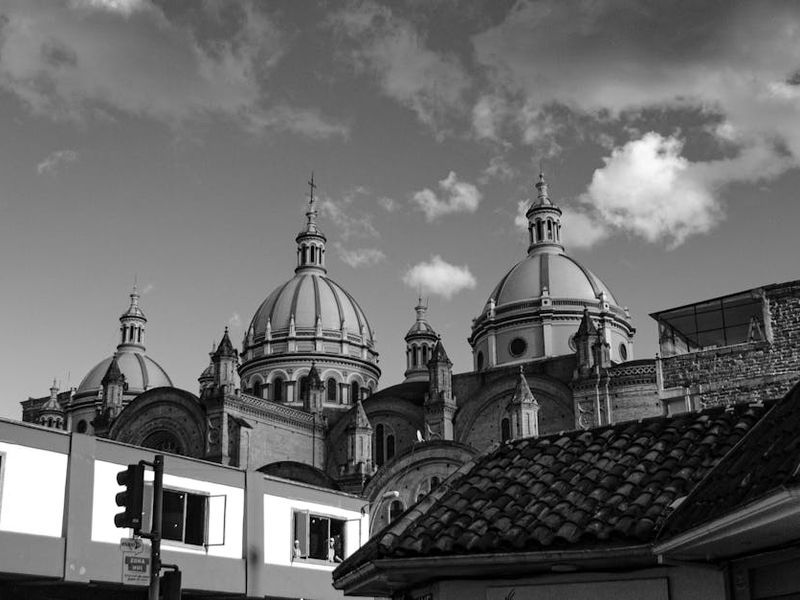
Cuenca’s historic center is a UNESCO World Heritage site anchored by the grand blue-domed Catedral de la Inmaculada Concepción and the lively Parque Calderón. Walk the Tomebamba River banks, explore the artisan boutiques in San Sebastián, and visit Museo Pumapungo to learn about local pre-Columbian cultures and see archaeological remains.
Food markets are a highlight: Mercado 10 de Agosto and Mercado de San Francisco offer hearty menu del día lunches, fresh juices, and a chance to sample local specialties like hornado (roast pork) and mote (hominy).
Day Trips from Cuenca
Cajas National Park, a high-altitude landscape of glacial lakes and puna grasslands, is a 30–45 minute drive from downtown—perfect for birdwatching and multi-hour hikes. The Ingapirca archaeological complex (Inca ruins) is about 1–1.5 hours from Cuenca and makes a fascinating window into the region’s pre-Columbian past.
Practical Tips for Cuenca
- Stay near Parque Calderón for easy walking access to restaurants, markets and museums.
- Bring layers—nights can be chilly even after warm afternoons.
- Cuenca has excellent private clinics and dental services favored by expats; plan any medical or dental care here if needed.
Loja: Music, Coffee and Gateway to Cloud Forests
Why Visit Loja
Loja is known as Ecuador’s cultural capital for its music schools, festivals and slow-paced charm. The city itself rewards slow wandering—check out the cathedral near the central park, local street musicians, and small museums that showcase regional history and arts.
Nature Near Loja
Podocarpus National Park lies east and south of Loja and is a biodiversity hotspot. Its cloud forests host orchids, hummingbirds and spectacled bears (rarely seen). Short guided hikes to waterfalls, long birding trails and scenic drives into the park offer varied outdoor options. Also consider visiting Puyango (to the southwest) for dry forest landscapes and fossilized wood formations—distinctly different from the cloud forests.
Practical Tips for Loja
- Loja’s altitude is lower than Cuenca’s, so the temperature feels milder—pack a light jacket and some short-sleeves.
- Book guided hikes into Podocarpus with local agencies; trails can be steep and weather changes quickly in the cloud forest.
- Look for evening chamber music or small concerts—Loja’s music scene is lively and intimate.
Vilcabamba: Wellness, Hikes and a Laid-Back Lifestyle
What Makes Vilcabamba Unique
Often called the “Valley of Longevity,” Vilcabamba attracts people seeking a milder climate, organic food, yoga centers and simple living. The town center is compact: a main street with cafés, restaurants, and small shops. Much of Vilcabamba’s appeal comes from its surrounding valley—perfect for gentle hikes, horseback riding and discoveries like waterfalls and medicinal plant gardens.
Activities in and Around Vilcabamba
Popular local activities include hikes to Cascada de Mandango and viewpoints overlooking the valley, cycling along rural lanes, and sampling locally-grown coffee. Wellness retreats and spas offer massages, yoga and alternative therapies. If you love long walks, a loop hike up to the ridge above town yields sunrise and sunset vistas.
Practical Tips for Vilcabamba
- Accommodations range from backpacker hostels to wellness-oriented lodges; book ahead for high season (December–January, Easter).
- Tap water is treated in many guesthouses, but when in doubt, drink bottled or filtered water.
- Cell service can be patchy in rural hikes—download maps offline and let someone know your route.
Budgeting, Money and Practicalities
Ecuador uses the U.S. dollar, which simplifies budgeting for many travelers. Expect to pay about $2–5 for a market lunch, $6–15 at a mid-range restaurant, and $25–60 for decent private accommodation. Local urban buses in Cuenca cost under a dollar per ride; taxis and private drivers are affordable by North American or European standards.
ATMs are widely available in Cuenca and Loja; Vilcabamba has fewer options so withdraw cash before leaving major towns. Credit cards are accepted in many mid-to-high-end restaurants and hotels, but smaller vendors and markets prefer cash.
Health, Altitude and Packing Checklist
Altitude and Acclimatization
Cuenca sits at about 2,500–2,600 meters (8,200–8,500 ft), Loja around 2,000 meters, and Vilcabamba roughly 1,500 meters. If you’re coming from sea level, expect mild altitude effects—shortness of breath during exertion, trouble sleeping, or headaches. Rest for a day or two in Cuenca before vigorous hikes, stay hydrated and avoid heavy physical activity until acclimatized.
Essential Packing List
- Layered clothing (warm nights, sunny days)
- Rain jacket and quick-dry clothing
- Sturdy hiking shoes and sandals
- Sunscreen, hat and sunglasses
- Basic first-aid kit, altitude pills if you use them
- Reusable water bottle and water purification tablets (optional)
- Plug adapter and portable charger
Safety and Local Customs
The Southern Highlands are generally safe for travelers practicing common sense: avoid poorly lit streets at night, keep valuables secure, and use registered taxis or ones called by your hotel. Spanish is the primary language; learning basic phrases helps in markets and rural areas. In smaller towns and indigenous communities, polite greetings and respecting local customs go a long way.
Sample 7-Day Itinerary
Here’s a practical week-long route that balances time between towns:
- Day 1: Arrive in Cuenca. Explore the historic center, Parque Calderón and an evening riverside walk.
- Day 2: Day trip to Cajas National Park for a full day of hiking and birding.
- Day 3: Morning at Museo Pumapungo and artisan markets. Evening bus to Loja (overnight).
- Day 4: Explore Loja’s parks and music venues; afternoon drive to Podocarpus for a short guided hike.
- Day 5: Travel to Vilcabamba. Afternoon stroll, sample local cafés and markets.
- Day 6: Hike to a waterfall and enjoy a local spa or yoga session.
- Day 7: Return to Cuenca (or continue to Guayaquil/Quito for onward travel).
Insider Tips and Final Notes
1) Markets are the best way to taste and meet locals — try the menú del día for a filling, inexpensive lunch. 2) If you enjoy live music and local dance, ask about concerts in Loja; the city thrives on small performances and conservatory events. 3) Plan for slow travel: road distances may seem short on a map, but mountain driving takes time—factor this into daily plans. 4) Respect the environment: stay on marked trails in national parks and carry out any trash.
The southern highlands of Ecuador blend heritage, biodiversity and a relaxed lifestyle. Whether you’re wandering the cobbled streets of Cuenca, soaking up the music culture in Loja, or breathing the valley air of Vilcabamba, this region rewards curious travelers who slow down and explore beyond the guidebook highlights.