
Table of Contents
Why visit Ecuador’s southern highlands?
The southern highlands of Ecuador combine colonial charm, vibrant local culture, biodiverse cloud forests and a relaxed pace of life. Split between bustling Cuenca, artistic Loja and laid-back Vilcabamba, this region is ideal for travelers who want to mix history, outdoor adventure and wellness. Because Ecuador uses the US dollar, travel here is straightforward and many services are good value. This guide helps you plan an immersive trip while sharing practical tips for transport, safety, money and health.
Quick orientation: what each place offers
Before diving into logistics, here’s a snapshot so you can prioritize what matters to you.
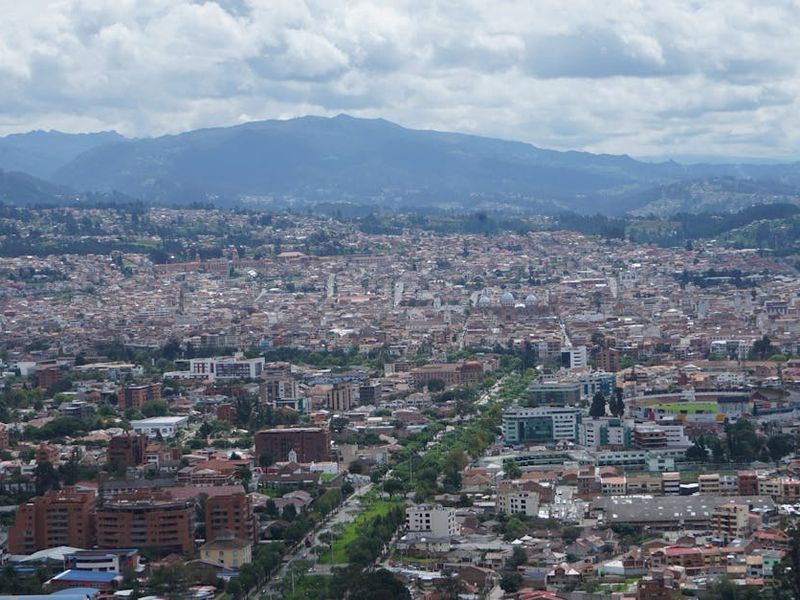
- Cuenca: A UNESCO-listed colonial center with cobbled streets, blue-domed cathedrals, lively markets, modern medical facilities, museums and an active expat community. Great for architecture, food and city comforts.
- Loja: Known as a cultural and musical center, Loja has a quieter downtown, nearby cloud-forest reserves and excellent local cuisine. It’s a gateway to biodiversity in Podocarpus National Park.
- Vilcabamba: Valley-of-longevity lore aside, Vilcabamba is a small town beloved by hikers, yoga lovers and travelers seeking a slow rhythm—warm days, cooler nights and easy access to river swims and short treks.
When to go: weather and seasons
The southern highlands have mild, spring-like weather year-round, but there are seasonal differences to consider. The drier months—generally June through September—bring sunnier skies and are ideal for trekking and photography. The wetter season usually runs from December through May with more frequent afternoon showers, which can make some dirt tracks muddy but also turns the valleys lush and green.
Elevation matters: Cuenca sits at about 2,550 meters (8,370 ft), Loja around 2,060 meters (6,760 ft) and Vilcabamba roughly 1,500 meters (4,920 ft). Expect cooler mornings and evenings in Cuenca and Loja and noticeably warmer days in Vilcabamba.
Getting there and getting around
By air
Cuenca’s Mariscal La Mar Airport (often called Cuenca Airport) receives domestic flights from Quito and Guayaquil. Loja has a smaller airport with fewer connections; most travelers reach Loja by road. Vilcabamba doesn’t have an airport — the nearest major air links are Cuenca and Loja followed by a bus or taxi ride.
By bus and shuttle
Interprovincial buses run regularly between Cuenca, Loja and other southern destinations. The city bus terminals (Terminal Terrestre) in Cuenca and Loja are central hubs. Buses vary from basic to comfortable ‘executive’ coaches; daytime travel is scenic and recommended if you want to enjoy the views. Expect Cuenca–Loja trips to take roughly 3.5–5 hours depending on route and stops. Travel time to Vilcabamba varies but is usually another 1–2 hours from Loja by bus or colectivo.
Renting a car
Renting a car gives flexibility—especially useful for exploring national parks and remote trails—but roads in the highlands can be steep and winding. If you drive, allow extra time for mountain routes and learn local driving habits. Check insurance coverage and bring an international driver’s license if required by your rental company.
Local transport
Within cities, taxis are inexpensive; insist on meters or agree a fare before leaving. App-based ride services operate intermittently—verify availability in each city in advance. For short trips in rural areas, colectivos (shared vans) are common and inexpensive but may not run on a strict schedule.
Top experiences in Cuenca
Cuenca is often the first stop for travelers to the southern highlands, thanks to its UNESCO-listed historic center and easy amenities.
- Historic center and cathedrals: Wander around Parque Calderón, admire the blue domes of the New Cathedral (Catedral de la Inmaculada Concepción) and stroll along the Tomebamba River waterfront.
- Markets: Visit Mercado 10 de Agosto for fresh produce and local flavors; artisan markets around the center sell Panama hats (made from toquilla straw), alpaca textiles and silver jewelry.
- Museums and culture: Museo Pumapungo offers pre-Columbian artifacts and archaeological ruins integrated into the museum grounds. Several small art galleries showcase regional contemporary artists.
- Dining: Cuenca’s food scene ranges from traditional Ecuadorian dishes like mote pillo and hornado to international bistros and vegetarian cafés. Don’t miss trying local soups and market snacks.
- Day trips: Nearby Cajas National Park—famous for highland lakes and winding trails—is a must for photographers and hikers. The park is about an hour’s drive from Cuenca and offers treks of all lengths.
Why Loja is a cultural jewel
Loja’s reputation rests on music, friendly neighborhoods and access to cloud forests. It’s smaller and quieter than Cuenca, making it a comfortable place to slow down and explore local life.
- Music and festivals: Loja is sometimes called Ecuador’s musical capital—look for small concerts, music schools and occasional festivals celebrating Andean and classical music traditions.
- Podocarpus National Park: South of Loja, Podocarpus protects cloud forest, páramo and incredible biodiversity. Birdwatchers and botanists often use Loja as a base for multi-day excursions into the park.
- Food and markets: Loja’s markets offer regional fruits, fresh coffee and traditional snacks. Try local preparations and shop for roasted coffee beans from provincial producers.
Vilcabamba: wellbeing, hiking and a slower pace
Vilcabamba is famous among travelers for its herbal shops, yoga retreats and the reputation for longevity. Whether or not you believe the lore, the valley’s mild climate, scenic trails and relaxed lifestyle make it a restful stop.
- Outdoor activities: There are many leisurely day hikes, waterfalls and rivers to explore. Trails are ideal for moderate walking and mountain biking.
- Wellness offerings: Expect several small centers offering yoga, massage and alternative therapies. Organic cafés and vegetarian restaurants cater to travelers seeking a healthier pace.
- Community feel: The town is compact with cafes and shops clustered along the main streets. It’s an easy place to make local connections or to catch up on reading and relaxation.
Practicalities: money, safety, health and connectivity
Money and costs
Ecuador uses the US dollar, which simplifies budgeting. Cuenca and Loja have plentiful ATMs and banks; Vilcabamba fewer, so carry some cash. Credit cards are widely accepted in hotels and restaurants in larger towns, but small markets and rural vendors are cash-only. Tipping of 10% is common where service is not included; small tips are appreciated for guides and drivers.
Health and medical care
Cuenca has quality private clinics and dental offices that attract international visitors; Loja also offers good clinics but fewer specialist options. Tap water in major cities is treated, but many travelers prefer bottled water. Bring altitude-aware basics—sunscreen, lip balm, layers—and allow a day or two to acclimatize if you’re coming from low elevations.
Safety
The region is generally safe for tourists, but petty theft can occur in crowded markets and on buses. Keep valuables secure, use hotel safes, avoid showing large amounts of cash and use licensed taxis at night. As with travel anywhere, trust your instincts and ask locals or hotel staff about any neighborhoods to avoid after dark.
Connectivity
Mobile coverage is good in cities and many valleys. Buy a local SIM (providers like Claro and Movistar are common) and bring your passport to register the card. Wi‑Fi is available in most hotels, cafés and guesthouses.
Food, drink and local flavors
Southern highland cuisine is hearty and regional. Typical dishes include mote (hominy), hornado (roast pork), seco de chivo and soups like caldo de gallina. Cuenca has an increasingly international dining scene with vegetarian and fusion options. Loja’s coffee is worth sampling; many small roasters sell fresh beans. In Vilcabamba look for organic eateries, fresh juices and cafés that double as community gathering spots.
Sample 7-day itinerary
This itinerary balances exploration, relaxation and logistics—adjust according to interests and pace.
- Day 1 — Arrive in Cuenca: Settle into the historic center, explore Parque Calderón and find a restaurant offering local favorites.
- Day 2 — Cuenca museums and markets: Visit Museo Pumapungo, Mercado 10 de Agosto, cross the riverside walks and climb a viewpoint for sunset.
- Day 3 — Cajas National Park day trip: Hike among highland lakes, bring layers and a packed lunch.
- Day 4 — Travel to Loja: Morning bus to Loja; afternoon walk through the city, find a music venue or café.
- Day 5 — Podocarpus or local reserves: Day trip for birdwatching or a guided hike in cloud forest preserves west or south of Loja.
- Day 6 — Head to Vilcabamba: Short bus or taxi ride; afternoon exploring rivers and shops, evening yoga or a massage.
- Day 7 — Hike and relax in Vilcabamba: Choose a trail to a waterfall or viewpoint, soak in the valley atmosphere and prepare for departure.
Packing list and travel tips
- Layered clothing: mornings and nights are cool, afternoons can be warm—especially in Vilcabamba.
- Rain jacket and quick-dry clothing, especially during wetter months.
- Comfortable walking shoes with good grip for cobblestones and muddy trails.
- Sunscreen, hat and sunglasses—sun at altitude is stronger than it feels.
- Reusable water bottle and basic first-aid items; consider altitude remedies if you’re sensitive.
- Copies of important documents, local emergency numbers and some cash in small bills.
Language and cultural tips
Spanish is the lingua franca; English is spoken in tourist hubs and some expat circles, but learning a few basic Spanish phrases will enhance your experience. Greet people with a polite ‘buenos días’ and expect warm, reserved interactions. Haggling is common in markets for souvenirs but not in shops with set prices. Respect church interiors and ask before photographing people, especially in rural areas.
Where to find more information and book services
Local tourism offices in Cuenca and Loja provide maps, bus timetables and recommendations. For national parks and guided wildlife or birding tours, check reviews and book with licensed guides who can offer deeper insight into habitats and safety. If you plan medical or dental visits in Cuenca, contact clinics in advance to reserve appointments.
Final thoughts: slow travel in the highlands
The southern highlands reward a slower pace: linger over coffee, chat with market vendors, take short hikes and let the quieter towns reveal their rhythms. Whether your priority is colonial architecture, cloud-forest wildlife or a restorative few days in a warm valley, Cuenca, Loja and Vilcabamba together showcase Ecuador’s diversity within easy travel distances.
Plan your route, pack smart for altitude and weather changes, and allow time to wander—some of the region’s best moments happen between scheduled stops, on a riverside bench or over a shared meal with new friends.