
Table of Contents
Why the Southern Highlands Deserve a Spot on Your Ecuador Itinerary
Ecuador’s southern highlands offer a concentrated blend of colonial charm, biodiversity and relaxed mountain living. From Cuenca’s UNESCO-recognized historic center to Loja’s musical soul and Vilcabamba’s reputation for long-living residents, this region is ideal whether you’re touring for two weeks or scouting a place to live longer-term. Expect cool mountain air, spectacular day hikes and markets filled with local crafts and food.
Quick Overview: Distances, Altitudes & Logistics
Distances are manageable: Cuenca is the region’s major hub (altitude ~2,560 m), Loja sits about 3–4 hours south by road (altitude around 2,060 m) and Vilcabamba lies west-southwest of Loja, roughly 45–90 minutes by car depending on where you start (altitude ~1,500–1,600 m). Cuenca has an international airport (Mariscal Lamar), making it the most convenient gateway for many visitors. Intercity buses are frequent, comfortable and affordable; private shuttle transfers are common for smaller groups.
When to Go and What to Pack
The highlands enjoy a mild climate year-round but weather can change fast. Dry season (June–September) offers the clearest hiking conditions; the remainder of the year sees scattered afternoon showers. Pack layers: daytime sun can be warm, nights are cool. Essentials include a waterproof jacket, sturdy walking shoes, sun protection, and a small daypack for hikes. If you plan on remote hiking or birdwatching in Podocarpus or Cajas National Parks, bring binoculars and insect repellent.
Getting Around: Buses, Taxis & Driving
Public transportation between towns is reliable and inexpensive. Cuenca’s main bus terminal (Terminal Terrestre) has multiple daily departures to Loja and Vilcabamba. For flexibility, consider renting a car if you’re comfortable with mountain roads—many attractions are easier to reach by car. Taxis and ride-hailing services operate in Cuenca, but in smaller towns like Vilcabamba you’ll rely on local taxis or moto-taxis. Always confirm a fare before hopping in a taxi when the meter isn’t used.
Cuenca: Historic Heart, Modern Amenities
Cuenca is the anchor for travelers and expats alike. Its historic core—cobbled streets, whitewashed churches and blue-domed cathedral—makes for effortless wandering. Don’t miss the Catedral Nueva with its iconic azure domes and the smaller Old Cathedral (Santa Ana), which houses cultural displays. The Tomebamba river runs through the city with promenades that are perfect for sunset walks. Museo Pumapungo is an excellent stop to learn about the region’s indigenous history and view pre-Columbian ruins and recreated indigenous villages.
Day trips from Cuenca: Cajas National Park (lakes and high moorland), the artisan town of Gualaceo for weavings and ceramics, and the nearby hat-weaving communities where toquilla (often called Panama) hats are produced. Markets are worth your time—look for fresh produce, local cheeses and traditional snacks like mote and llapingachos. Cuenca also has a lively café scene, reliable medical services, and good international grocery options, which explains its popularity with expats.
Where to Stay in Cuenca
Choose accommodation depending on your priorities: stay in the historic center for walkability to museums and restaurants; pick quieter residential neighborhoods a short taxi ride away for more space and lower nightly rates. Expect a range of options from boutique hotels and guesthouses to long-term rentals. For expats, furnished apartments within a 10–20 minute walk of the Parque Calderón are convenient.
Loja: Music, Culture & Gateway to Podocarpus
Loja may be smaller than Cuenca, but its cultural life is vibrant. Known as Ecuador’s music capital, you’ll find conservatories, regular concerts and friendly cafés where musicians gather. The city center offers a relaxed feel—with plazas, a prominent cathedral and artisan shops. Loja is the ideal base for exploring Podocarpus National Park, one of the most biodiverse parks in Ecuador, featuring cloud forests and high-elevation páramo ecosystems. Birdwatchers often use Loja as a launch point for guided tours into Podocarpus.
Plan ahead for nature excursions. Podocarpus has multiple access points and trails that vary from easy to technical; local guides enhance wildlife spotting and navigation. Loja’s festivals and cultural calendar are worth checking—if you time your visit for a music festival or local celebration, you’ll see the city at its liveliest.
Vilcabamba: Valley of Longevity and Slow Living
Vilcabamba is best known among international visitors for its relaxed pace and the so-called ‘longevity’ reputation of its residents. The town attracts health-oriented travelers, yoga practitioners, and those seeking a peaceful mountain retreat. It’s a picturesque place for walks along the river, easy hikes into nearby hills and visiting organic farms and holistic centers. The town’s layout is compact; you can walk most places and find small restaurants serving farm-to-table fare.
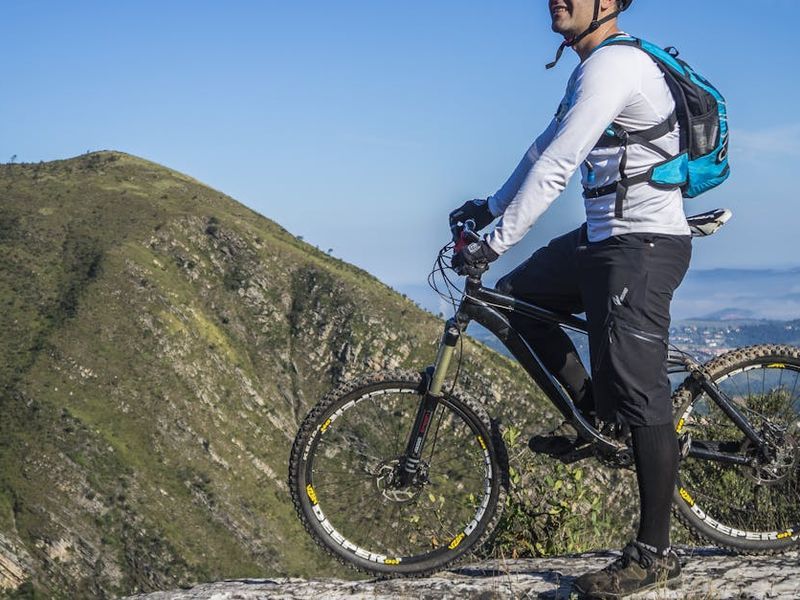
For active travelers, there are nearby waterfalls, short treks to viewpoints, and mountain bike routes. The valley’s microclimate is milder than Cuenca’s—less cold at night and more tropical plants thrive here. Though Vilcabamba has grown in popularity, it retains a small-town vibe with artisan markets and intimate cafés.
Tips for Short Stays vs. Longer Stays
- Short visit: Base yourself in Cuenca and do day trips—Cajas in the morning, Vilcabamba or Loja for an overnight.
- Two-week trip: Split time between Cuenca and a few nights in Loja and Vilcabamba to experience both culture and nature.
- Long-term: Cuenca is best for expats seeking medical care, amenities and community; Vilcabamba suits those after quiet living and health-oriented lifestyles.
Costs, Currency & Practical Budgeting
Ecuador uses the US dollar, which simplifies budgeting for North American visitors. Expect daily costs to be lower than in North America or Europe. Typical ranges:
- Backpacker budget: $25–40/day (hostels, markets, public transport)
- Mid-range: $50–120/day (private rooms, restaurant meals, guided tours)
- Expat living: monthly rents for modest one-bedroom apartments in Cuenca often range from around $300–700 depending on location and furnishings; utilities, groceries and local health care remain affordable.
Health, Altitude & Safety
Altitude can be noticeable in this region—Cuenca at about 2,560 m may cause mild breathlessness for new arrivals, but serious altitude illness is uncommon if you ascend gradually and stay hydrated. Vilcabamba’s lower elevation is easier for those sensitive to altitude. Health care in Cuenca is excellent for the region, with private clinics and hospitals offering modern services; Loja has competent medical facilities but fewer specialists.
General safety is relatively good, particularly compared to larger cities. Common-sense precautions—watch belongings in crowded markets, avoid poorly lit streets at night, and don’t display valuables—are recommended. Use registered taxis or trusted hotel transfers if arriving late at night.
Food, Markets & Local Specialties
Food lovers will enjoy Ecuadorian mountain cuisine. Look for hearty dishes like hornado (roast pork), llapingachos (potato patties), and the occasional cuy (guinea pig) in traditional restaurants. Street food and markets serve excellent soups, empanadas and fresh juices. Cuenca has a lively restaurant scene including international and vegetarian options; Vilcabamba features many health-conscious eateries and organic farms selling produce directly to consumers.
Markets are more than food: artisans sell woven textiles, ceramics and hats. If shopping for a toquilla hat, ask about the weaving process and quality markers such as tightness and uniformity of the weave.
Connectivity & Practical Tips for Digital Nomads
Internet speeds are generally sufficient for remote work in Cuenca and many parts of Loja; Vilcabamba may have slower or less reliable connections in some locations. Purchase a local SIM card (major providers include Claro and Movistar) for data on the go. Cafés and coworking spaces in Cuenca cater to expats and digital nomads—look for places near the historic center with comfortable seating and reliable Wi‑Fi.
Visas, Residency & Expats: What to Know
Tourist visas for many nationalities are 90 days (check your country’s rules). For longer stays, Ecuador offers various residency visas including Pensionado (for retirees with guaranteed income), Rentista, and Investor visas—each with different documentation and financial requirements. Cuenca is the preferred city for many expats because of its medical services, expat communities and bureaucratic support services. Local immigration lawyers and relocation specialists can speed the process for residency paperwork.
Responsible Travel & Cultural Etiquette
Engage respectfully with local communities. Spanish is the dominant language—learn a few phrases (hola, gracias, por favor) and locals will appreciate the effort. Support local businesses and artisans by buying products directly from makers or reputable cooperatives. When hiking in protected areas, stay on established trails, pack out what you bring in, and hire certified guides where recommended to reduce environmental impact.
Sample 7-Day Itinerary
Day 1–3: Base in Cuenca. Explore the cathedral, museums, riverside walks and a day trip to Cajas National Park. Day 4: Travel to Loja, explore the city center and catch a local concert. Day 5: Day trip into Podocarpus for birdwatching or a guided cloud forest hike. Day 6–7: Transfer to Vilcabamba for relaxation, short hikes, organic markets and time by the river. Return to Cuenca on Day 7 for departure or extension.
Final Tips to Make the Most of Your Southern Highlands Visit
Take slow mornings—mountain pace is part of the charm here. Talk to local guides for the best trails and markets. Allow yourself flexibility: weather, road conditions and local festivities can change plans, but often in rewarding ways. Whether you’re scouting a new home base or chasing natural beauty and colonial architecture, Ecuador’s southern highlands offer a welcoming and varied experience.
With thoughtful planning and an open mind, the trio of Cuenca, Loja and Vilcabamba reveals a compelling mix of culture, nature and everyday life—perfect for travelers and prospective residents alike.
Adam Elliot Altholtz serves as the Administrator & Patient Coordinator of the “Smilehealth Ecuador Dental Clinic“, along with his fellow Expats’ beloved ‘Dr. No Pain‘, right here in Cuenca, Ecuador, and for purposes of discussing all your Dental needs and questions, is available virtually 24/7 on all 365 days of the year, including holidays. Adam proudly responds to ALL Expat patients from at least 7:00am to 9:00pm Ecuador time, again every single day of the year (and once more even on holidays), when you write to him by email at info@smilehealthecuador.com and also by inquiry submitted on the Dental Clinic’s fully detailed website of www.smilehealthecuador.com for you to visit any time, by day or night. Plus, you can reach Adam directly by WhatsApp at +593 98 392 9606 -or by his US phone number of 1‐(941)‐227‐0114, and the Dental Clinic’s Ecuador phone number for local Expats residing in Cuenca is 07‐410‐8745. ALWAYS, you will receive your full Dental Service in English (NEVER in Spanish), per you as an Expat either living in or desiring to visit Cuenca by your Dental Vacation, plus also to enjoy all of Ecuador’s wonders that are just waiting for you to come arouse and delight your senses.