
Table of Contents
Introduction: Dental Care That Feels Like a Vacation
If you want high-quality dental implants, crowns, or veneers without the stress and runaway costs you’d face in the U.S. or Canada, Cuenca, Ecuador offers a powerful alternative. This colonial highland city delivers dramatic savings—typically 60–70% lower costs—along with world-class clinicians, cutting-edge clinics, and a charming, calm environment ideal for recovery. In short, Cuenca is uniquely positioned to combine top-tier dental care with a restorative vacation.
Why Cost Alone Makes Cuenca Irresistible
Price is the most immediate reason people consider dental tourism, and Cuenca’s value proposition is striking. With Ecuador using the U.S. dollar, you get straightforward pricing and transparent comparisons. Typical savings look like this:
- Single dental implant: roughly 60–70% less than U.S./Canadian costs (for example, where a U.S. price might be $3,000–$5,000, Cuenca clinics commonly charge in the low thousands or under $1,500).
- Porcelain crown: often $300–$500 in Cuenca vs $1,000–$1,500 in North America.
- Veneers: Cuenca prices frequently run 60–70% lower than stateside costs—significant savings when multiple veneers are needed.
Those savings let many patients afford treatments they previously postponed or could never justify at home. That’s why dental tourism isn’t just a bargain—it’s access.
World-Class Dentists Trained Locally and Abroad
Cuenca’s dentists are highly trained professionals. Many earn degrees from top Ecuadorian universities and pursue continuing education in the U.S., Europe, or at international conferences. Clinics emphasize evidence-based care and modern techniques, and many dentists hold certifications in implantology, prosthodontics, and cosmetic dentistry.
It’s common to find clinicians who have completed extensive postgraduate training and who regularly participate in international study clubs and hands-on workshops. This blend of strong local education and international exposure produces care that meets—and often exceeds—international standards.
Modern Clinics with Cutting-Edge Technology
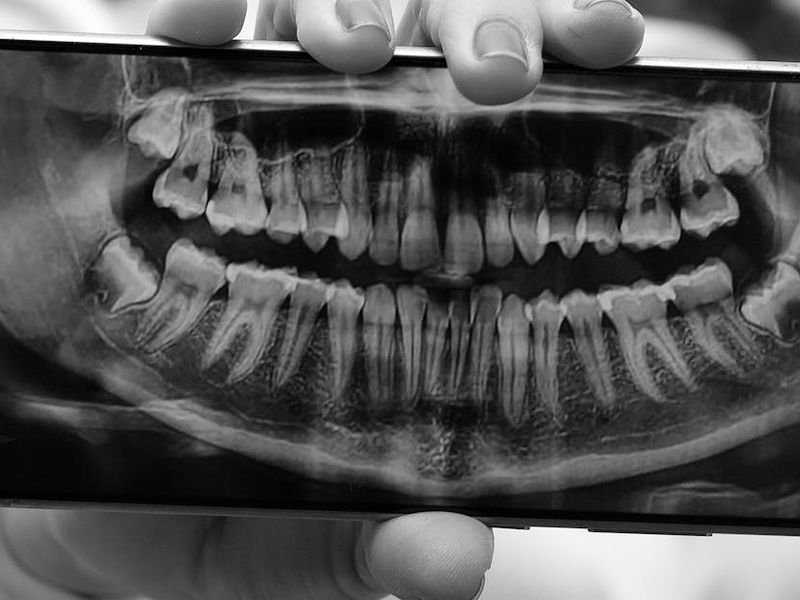
Cuenca’s dental clinics are not second-rate. Many use advanced diagnostic and treatment tools you’d expect in a major city: cone-beam CT (CBCT) imaging for 3D implant planning, digital intraoral scanners, CAD/CAM mills for same-day restorations, and sterilization protocols that follow international guidelines.
These technologies allow precise planning for implants, gorgeous color-matched crowns and veneers, and shorter chair time. Clinics that advertise fully digital workflows can often provide faster, more predictable results—an important advantage for dental travelers on a limited schedule.
Personalized, One-on-One Care and Short Wait Times
One of the most frequently cited benefits by dental tourists in Cuenca is personalized attention. Unlike large corporate chains in big cities where care can feel assembly-line, many Cuenca clinics offer one-on-one consultations, direct access to the treating dentist, and flexible scheduling.
Wait times are typically much shorter than what patients experience at home. You can often schedule initial consultations, diagnostics, and treatment planning within days—and many clinics provide online consultations before you book travel, saving time and clarifying expectations.
A Beautiful, Calm Recovery Environment: Why Location Matters
Cuenca’s climate and setting are ideal for healing. At about 2,560 meters (8,400 feet) above sea level, the city enjoys a mild, spring-like climate year-round—no extreme heat or humidity to complicate recovery. Its compact historic center, tree-lined river walkways along the Tomebamba River, and tranquil parks such as Parque Calderón create a peaceful atmosphere where patients can rest.
The slower pace, clean air, and abundant outdoor cafés make it easier to relax after surgery. gentle activities—short walks, museum visits, and light lunches—encourage mobility without strain, and nearby day trips to El Cajas National Park offer scenic options for post-recovery outings.
Turn Recovery into a Vacation: Activities That Complement Healing
Dental tourism in Cuenca blends treatment with restorative travel. After procedures, patients can enjoy low-impact activities that support recovery: leisurely strolls through the UNESCO-listed historic center, artisan markets for unique handcrafts, visits to museums, and mild nature excursions. These activities provide mental relief from the stress of dental work and enhance overall wellness.
Many clinics partner with local hotels and guesthouses to offer recovery packages that include private transportation, quiet rooms, and light meal options. The idea is to make the whole experience feel like a restorative getaway rather than a medical trip.
Practical Itineraries: How Long to Stay for Crowns, Veneers, and Implants
Planning a dental vacation means matching your travel timeline to the dental timeline. Here are practical examples:
- Veneers and crowns (multiple units): 7–10 days is often sufficient. Day 1 for consultation and scanning, days 2–3 for preparatory work and impressions (or digital scan), day 4–6 for lab work or same-day CAD/CAM crowns, and extra days for settling in and follow-up.
- Single implant: 7–14 days allows for surgical placement, a check-up, and comfortable initial healing. Many clinics provide screw-retained temporaries so you can leave with a stable esthetic result.
- Full-mouth implants (All-on-4 type or multiple implants): plan for two visits—initial surgical visit (7–10 days stay) and a return visit 3–6 months later for prosthetic finishing, or opt for immediate-load solutions that reduce visit frequency. Clinics will tailor protocols based on bone condition and treatment complexity.
Always confirm timelines with your dentist and aim to schedule additional days for unforeseen adjustments. Avoid long international flights immediately after major surgery; many clinicians recommend waiting at least a few days to 1–2 weeks before returning home depending on procedure complexity.
Safety, Standards, and What to Ask Before You Book
Safety is a top priority for patients traveling abroad. When evaluating clinics in Cuenca, ask about:
- Sterilization and infection-control protocols (autoclave use and instrument tracking).
- Diagnostic technology—CBCT, digital scanners, and digital X-rays.
- Implant systems used and their international reputations. Ask whether the lab is local or international and whether restorations come with guarantees.
- Before-and-after galleries and patient testimonials with verifiable references.
- Clear written treatment plans that include itemized pricing, timelines, and aftercare instructions.
Request an online consultation first—many Cuenca clinics offer video evaluations that include imaging review and preliminary quotes. This upfront transparency reduces surprises and helps you choose the best clinic for your needs.
Money Matters: Payment, Insurance, and Value
Most dental tourists pay out-of-pocket because U.S. and Canadian dental insurance rarely covers treatments abroad. However, the sheer size of the savings makes self-pay treatments much more affordable. Clinics typically accept wire transfers, major credit cards, and sometimes cash; some offer financing or payment plans.
Because Ecuador uses the U.S. dollar, pricing is easy to compare. Consider total cost of care (including travel, lodging, and follow-up) when you calculate savings. For many patients, even after airfare and accommodation, a full set of crowns or several implants still costs significantly less than doing the same treatment at home.
Follow-Up Care and Warranties: What to Expect When You Return Home
Good Cuenca clinics provide written guarantees for work and will coordinate post-treatment follow-up. Ask about emergency contact protocols and what the warranty covers (e.g., implant integration vs. prosthetic fracture). Many clinics use internationally recognized implant systems and materials that simplify local follow-up if needed.
If follow-up visits are required, some patients schedule them with local dentists at home while others return to Cuenca. A clear communication plan and shared records (digital radiographs, CBCT files, and treatment notes) make cross-border continuity of care easier.
How to Choose the Right Clinic in Cuenca
Selecting the right clinic is the single most important decision. Use these practical criteria:
- Credentials: Verify the dentist’s license and check for specialty training in implantology or prosthodontics.
- Technology: Look for CBCT, digital scanning, and CAD/CAM capabilities.
- Transparency: Clinics that provide itemized quotes, treatment timelines, and before/after photos are more reliable.
- Patient reviews: Read multiple patient testimonials and seek references when possible.
- Communication: English-speaking staff or bilingual dentists make planning and post-op care smoother for international visitors.
Don’t choose solely on price. The best decision balances cost with proven clinical quality, clear communication, and a trustworthy follow-up plan.
Real Patient Experience: What You Can Expect
Many patients describe a Cuenca dental vacation as surprisingly pleasant: warm, personal care from the dentist; shorter wait times; and a recovery period framed by walks along the Tomebamba River or relaxed afternoons in café terraces. Pain and swelling are typically managed with standard medications, and clinics walk you through aftercare to reduce risks and promote healing.
For complex restorations you’ll likely return home with a solid provisional plan and a clear schedule for final prosthetic placement, allowing you to enjoy Cuenca during both healing and finishing stages.
Practical Travel Tips
- Book flexible flights to allow extra recovery days; Mariscal Lamar Airport (CUE) is Cuenca’s local airport, usually reached via Quito or Guayaquil connections.
- Bring a copy of medical and dental records, current medications, and a list of allergies. Digital copies are handy for sharing with your treating dentist.
- Plan a calm, low-impact itinerary for the first week after surgery—light walking and sightseeing, not strenuous hikes or heavy lifting.
- Confirm local transportation options—many clinics include pickup and drop-off in their patient packages.
- Arrange travel insurance that covers medical emergencies abroad; while dental procedures are elective, you’ll want coverage for unrelated emergencies.
Final Thoughts: Value, Care, and a Beautiful Place to Recover
Cuenca, Ecuador combines affordability, clinical excellence, and a healing atmosphere in a way few places can match. With savings of 60–70% for implants, crowns, and veneers, state-of-the-art clinics, highly trained dentists, and a charming highland city perfect for gentle recovery, Cuenca is a leading choice for dental tourism. Whether you’re seeking a single implant or a smile makeover, Cuenca offers outstanding value and a memorable vacation experience to go with it.
Before you book, do your homework: request online consultations, compare treatment plans and warranties, and plan enough time for recovery. With the right team and preparation, you can return home with a healthier smile and a refreshed spirit—proof that dental care and travel can be a brilliant pairing.
Disclaimer
This article provides general information about dental tourism in Cuenca. Treatment plans and timelines vary by patient; always consult directly with a licensed dental professional for personalized medical advice.