
Table of Contents
An unbeatable combination: dentistry, savings, and scenery
If you’re thinking about dental implants, crowns, or veneers but dread the cost and wait times at home, Cuenca, Ecuador deserves a spot at the top of your shortlist. This colonial highland city is not just charming — it’s one of the best places in the world for dental tourism. Expect dramatic savings (often 60–70% compared with the US and Canada), highly trained dentists, modern clinics with cutting‑edge technology, and a gentle recovery environment that makes healing feel like a vacation.
Why Cuenca leads the world in dental tourism
Dental tourism depends on a few critical ingredients: affordability, quality, convenience, and a welcoming destination for recovery. Cuenca checks every box. Beyond the headline savings, patients consistently report one-on-one care, short scheduling times, and superior value for complex procedures such as dental implants, full‑mouth restorations, and porcelain veneers.
Massive cost savings that don’t sacrifice quality
One of the simplest reasons people come to Cuenca is cost. Clinics here commonly price implants, crowns, and veneers at roughly 30–40% of what you’d pay in the U.S. or Canada — meaning typical savings in the 60–70% range when you factor in travel and lodging. That makes high-quality, long-lasting solutions affordable for many who otherwise would delay or forgo treatment.
Top-tier training and international standards
Many Cuenca dentists hold advanced degrees and continuing-education certificates from top universities in Ecuador, Latin America, and North America. Clinics emphasize international protocols, sterile practices, and clear informed consent. You’ll find bilingual teams, digital imaging (CBCT), and CAD/CAM systems in use — the same technologies trusted in top dental centers worldwide.
What to expect from clinics and technology
Modern dental clinics in Cuenca are designed for international patients. Look for in-house labs, digital workflows, 3D printing, and milling equipment that produce crowns and veneers with precision and speed. In-house labs shorten turnaround times dramatically — an important advantage when you want restoration work completed within a week or two while you’re on vacation.
Immediate options and realistic timelines
Many clinics offer immediate-load implant options and chairside milled crowns, allowing for faster provisionalization. That said, restorative timelines vary: single crowns can often be completed in 1–2 visits over a week, veneers are frequently done within 7–10 days, and implant cases may require staged approaches depending on bone health. Clinics will lay out clear treatment plans so you can schedule travel and recovery time accordingly.
From airport to city center: travel logistics made simple
Cuenca’s Mariscal Lamar International Airport (CUE) serves domestic flights and regional connections. Most international visitors connect through Quito (UIO) or Guayaquil (GYE) and take a short connecting flight to Cuenca, or a scenic drive if you prefer ground travel. The airport-to-historic-center ride typically takes around 20–30 minutes; pre-booked airport transfers or reputable taxis make that first leg quick and stress-free.
Getting around and where to stay
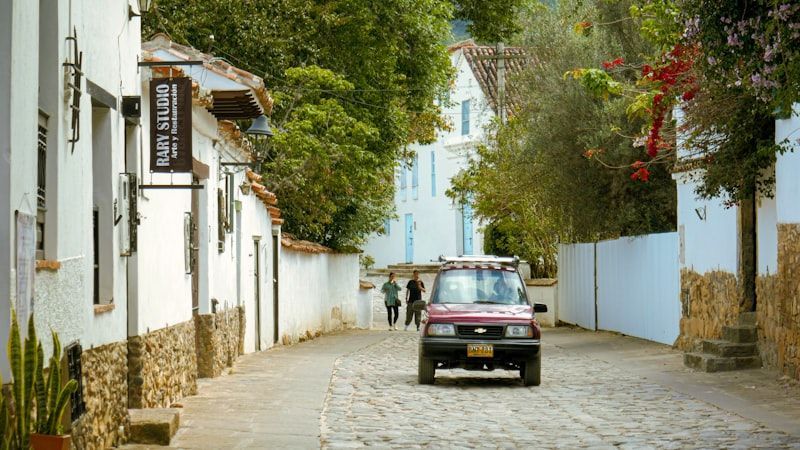
Cuenca’s city center (a UNESCO World Heritage site) is compact and walkable with easy access to clinics, restaurants, and pharmacies. Many dental clinics are within a short taxi or walking distance of boutique hotels and furnished apartments. Neighborhoods such as El Centro and San Sebastián offer charming streets, while riverside promenades and parks provide peaceful places to recover after procedures. Ride-hailing apps, local taxis, and hotel transfers are all common and reasonably priced.
The recovery environment: gentle climate and restorative activities
Recovery matters. Cuenca’s mild, spring-like climate and clean mountain air support rest and healing. The city’s slower pace, tree-lined plazas, and riverside walkways are ideal for low-impact post-op days. Rather than a noisy resort strip, Cuenca offers tranquil cafés, spas, and accessible green spaces where you can sip herbal teas, follow a soft-food diet, and allow tissues to heal.
Combine treatment with restorative sightseeing
Dental procedures don’t have to mean sacrificing pleasure. Between appointments you can stroll the Plaza Calderón, admire the blue domes of the New Cathedral, or spend mellow afternoons in Parque Calderón. For nature lovers, Cajas National Park is a short drive away and perfect for gentle day trips. Combining dental care with a cultural or nature-focused getaway turns recovery into a rejuvenating experience.
Real-world examples: implants, crowns, and veneers in Cuenca
Here’s how common procedures typically play out for dental travelers:
- Dental implants: Many patients choose implants for their permanence and function. In Cuenca, implant components from reputable international brands are widely used. Clinics offer CT-guided planning for precise placement, and options include both immediate and delayed loading depending on the case. Expect to stay 7–14 days for surgery and initial follow-ups; in some cases, a second short visit is scheduled months later for final restorations.
- Crowns: Porcelain and zirconia crowns can often be completed in 1–2 visits when an in‑house lab is available. Digital impressions reduce discomfort and boost accuracy.
- Veneers: Cosmetic veneer cases typically involve careful design, trial smiles, and same‑week fabrication with CAD/CAM systems, making a dental vacation a practical option for aesthetic upgrades.
Short wait times and personalized care
One of Cuenca’s strengths is scheduling flexibility. Where patients at home might wait months for specialist appointments, Cuenca clinics frequently offer consultations and treatment slots within days. This efficient scheduling, combined with personalized one-on-one care, means your dentist has time to explain options, review diagnostics, and tailor care to your lifestyle — an approach many patients find refreshingly attentive.
Patient coordinators and bilingual support
Most clinics serving international patients have medical tourism coordinators who handle airport transfers, lodging suggestions, and appointment scheduling. Bilingual staff and translation help ensure you understand informed consent documents and post-op instructions fully. That level of concierge service turns a potentially stressful medical trip into a streamlined, supportive experience.
Planning your dental vacation: a practical checklist
Successful dental tourism requires organization. Use this checklist to prepare:
- Request a detailed treatment plan and cost estimate in writing before booking travel.
- Share your dental and medical history (x-rays, scans) with the clinic for pre-evaluation.
- Confirm the brands and materials used (implant manufacturer, crown materials, ceramic types).
- Ask about lab turnaround times and whether the clinic has an in‑house lab.
- Discuss anesthesia and sedation options and any necessary pre-op testing.
- Book accommodations near the clinic for easy access during recovery.
- Purchase travel and medical insurance that covers dental tourism or complications, if available.
- Plan for aftercare: soft foods, local pharmacies, and follow-up appointments.
Practical tips for a smooth trip
To maximize comfort and results, keep these tips in mind:
- Arrive a day early to acclimatize to Cuenca’s elevation (around 2,500 meters / 8,200 feet). A slow first day reduces risks of dizziness and ensures you’re relaxed before treatment.
- Bring current medication lists and copies of dental records or digital x-rays on a USB drive or via secure email.
- Plan your meals — many local restaurants offer nutritious, patient‑friendly options like soups, avocado, and soft fish.
- Speak with your home dentist about coordinated care, especially if you’ll need follow-up back home.
- Check visa requirements — many nationalities enjoy visa-free entry to Ecuador for tourist stays, but verify passport validity rules before travel.
Aftercare, follow-up, and long-term confidence
Cuenca clinics typically provide clear written aftercare instructions and remote follow-up for international patients. Many dentists offer warranties or maintenance plans for restorations — an important consideration for implants and cosmetic work. If a second visit is needed for final restorations, most clinics coordinate future scheduling and can communicate with your local dentist for shared care when you return home.
Final thoughts: value that goes beyond price
Choosing Cuenca for dental tourism is about more than savings: it’s about getting high-quality restorative and cosmetic dentistry paired with a restorative travel experience. From world-class training and CAD/CAM labs to gentle scheduling, bilingual care teams, and a beautiful city built for slow recovery, Cuenca offers exceptional value for dental implants, crowns, and veneers. For anyone who wants reliable dental work without the prohibitive cost — plus the bonus of a culturally rich, restorative getaway — Cuenca stands out as the best place in the world to combine dental care and travel.
Ready to plan your dental vacation?
Start by requesting an international consultation, gather your dental records, and map out the length of stay you’ll need. With careful planning, you can step off the plane in Cuenca and into a clinic that treats you like a guest — not just a patient. Smile, relax, and enjoy the view: Cuenca turns necessary dental work into an opportunity for renewal.